

01
Book
Call or WhatsApp 0330 3050007, or use the form, to see Dr Rida Fatima.
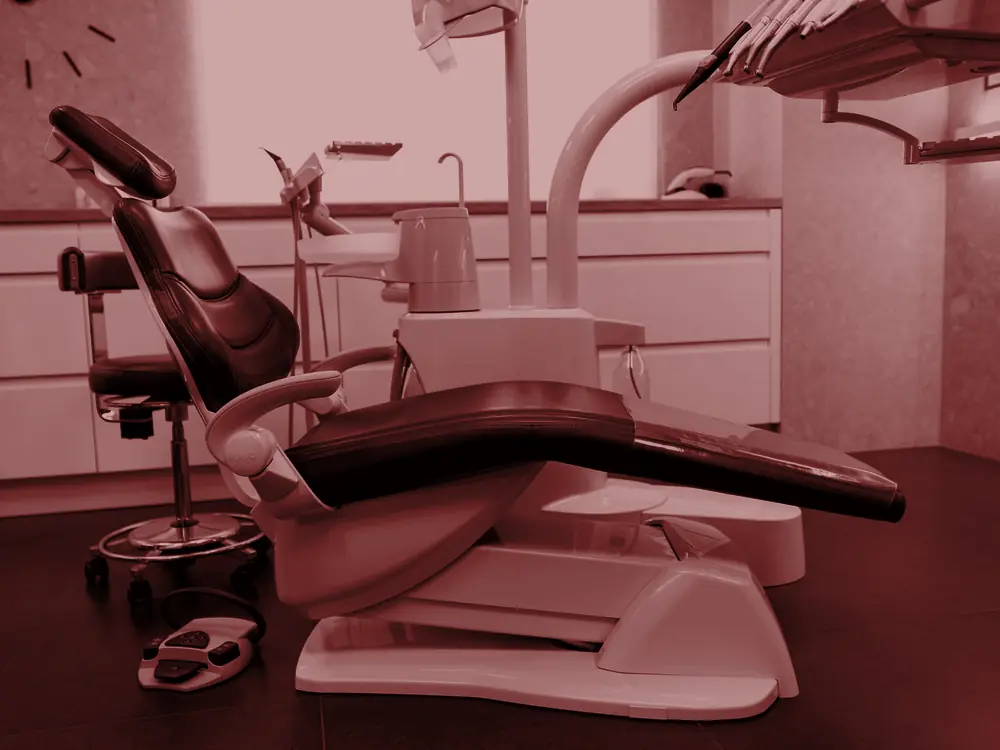
Teeth Aligners / Sargodha
Teeth aligners in Sargodha with Dr Rida Fatima, at the executive block of Sadiq Hospital in Satellite Town. You are examined and followed up in Sargodha, while your trays are made in our own laboratory in Pakistan, so a full course costs PKR 2 to 5 lakh. Book a free consultation to see whether aligners suit your teeth.
The short answer
Satellite Town, SargodhaWith Dr Rida FatimaYou can get teeth aligners in Sargodha from Dr Rida Fatima at the executive block of Sadiq Hospital, Main Satellite Bazar, Satellite Town. A full course costs PKR 2 to 5 lakh, and the trays are made in our own laboratory in Pakistan and sent to Sargodha for your fitting.
Call or WhatsApp 0330 3050007 or fill in the form below to book a free consultation. There is no need to travel to Lahore or Islamabad to start.
At a glance
The details for aligner treatment in Sargodha, from where to go to what treatment asks of you.
| Item | Sargodha |
|---|---|
| Where | Sadiq Hospital executive block, Main Satellite Bazar, Satellite Town, Sargodha 40100 |
| Consultant | Dr Rida Fatima |
| Booking | Call or WhatsApp 0330 3050007 |
| First visit | Free consultation |
| Full course price | PKR 2 to 5 lakh, set after assessment |
| Wear time | 22 hours a day |
| Tray changes | About every week, at home |
| Shortest plans | About six months, plus about six months of retainer wear |
| Trays made | Our own laboratory in Pakistan, sent to you |
Your consultant
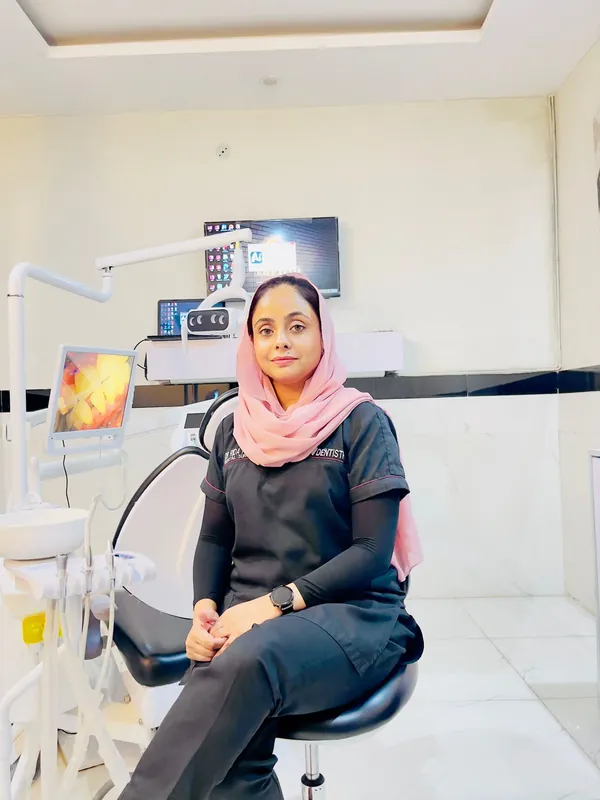
Dr Rida Fatima is our aligner consultant in Sargodha. She is a graduate of Army Medical College, trained further in orthodontics at RKAAF Dental Clinic in Sargodha, and gained hands on clinical experience at Sadiq Hospital, where she now sees aligner patients in the executive block.
For patients in Sargodha, that means the examination, the fitting and the follow up all happen with one clinician close to home, while the planning and manufacture are handled by our team and laboratory.
Why Teeth Aligners
Choose Teeth Aligners in Sargodha because you get a local consultant you can see in person, a plan approved by a clinician, and trays from our own laboratory, without travelling to a big city or paying for an imported brand.
Dr Rida Fatima examines, fits and follows you up at Sadiq Hospital, Satellite Town.
Your trays are printed, formed and hand finished in Pakistan, then sent to Sargodha.
PKR 2 to 5 lakh for a full course, whether you live in Sargodha or Lahore.
Every movement plan is approved by a clinician before a tray is made.
A lost tray or a refinement is made from your file in our laboratory.
The results on this page were treated with our trays.
Book a free consultation with Dr Rida Fatima and find out whether aligners suit your teeth and what your plan would cost.
Price
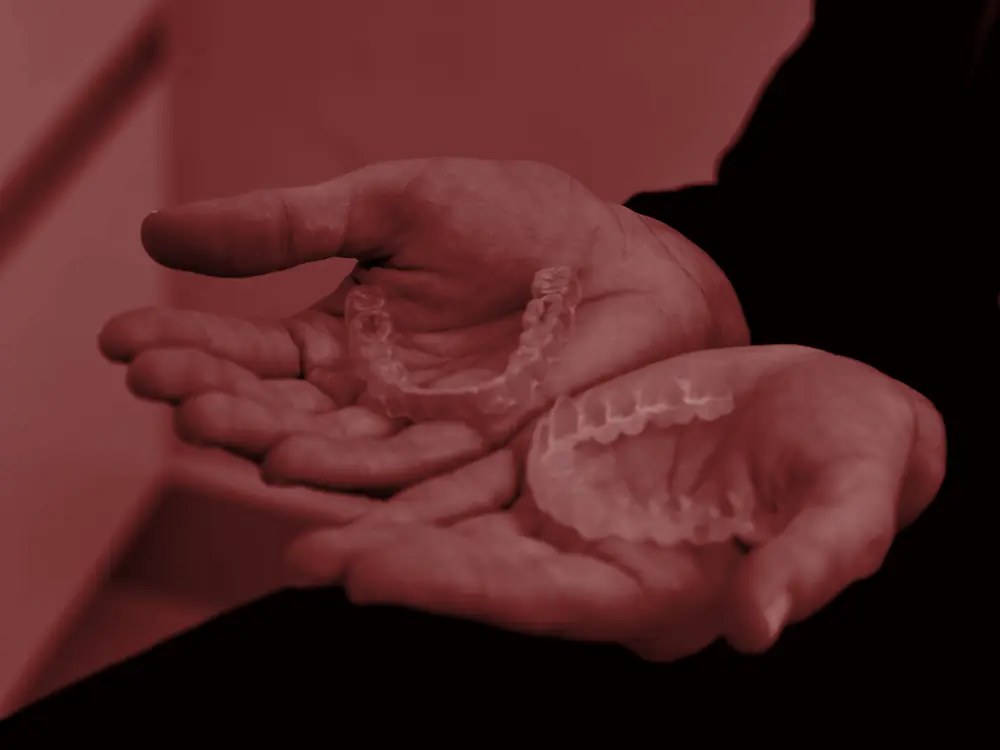
Teeth aligners in Sargodha cost PKR 2 to 5 lakh for a full course with us, exactly the same as in Lahore or Islamabad. Where you fall in the range depends on your teeth: fewer trays for a small correction, more for crowding, rotations or a bite problem.
Living outside a big city does not add to the price, because the trays come from one laboratory wherever you are treated. Nor does it reduce what you get: the same planning, material and finishing apply.
Our guide to the aligners price in Pakistan explains how the range works and what to compare between quotes.
Invisible braces
Yes. Invisible braces in Sargodha are available through Dr Rida Fatima, in the form of clear aligners: removable, transparent trays that straighten the teeth gradually without brackets or wires.
Patients sometimes ask for invisible braces expecting something fixed to the teeth. Clear aligners are not fixed; you take them out to eat and clean, which is a large part of their appeal.
The small tooth coloured attachments some plans use are the only thing bonded to the teeth, and they come off at the end.
Brands
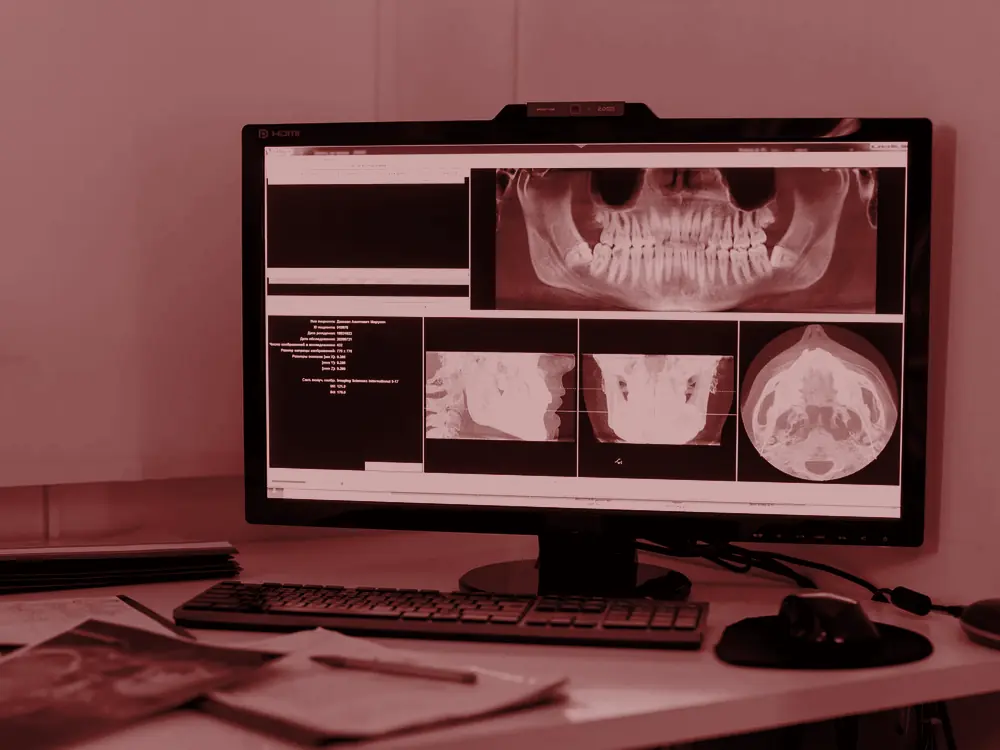
Invisalign is an imported brand that we do not provide; what we offer in Sargodha is our own clear aligners, planned by clinicians and made in our laboratory in Pakistan. Both use a staged series of clear trays to move the teeth.
The practical difference outside a big city is distance from the supply. An imported tray series, and any replacement, has to travel from abroad; ours is made in Pakistan from a case file we keep.
For a direct cost comparison, see our guide to the Invisalign price in Pakistan.
Close to home
No. You can start and finish aligner treatment in Sargodha with Dr Rida Fatima; the trays are made in our laboratory and sent to Sargodha, so the only travelling is to Satellite Town for your appointments.
Some patients assume clear aligners are only available in the largest cities. The examination, impressions, fitting and reviews all happen locally, and the parts that do not need you in the room, the planning and manufacture, happen in our laboratory.
If you work in Lahore, you can choose our teeth aligners in Lahore instead and keep the same plan.
Surrounding towns
Yes. Patients from towns and villages around Sargodha can book with Dr Rida Fatima and travel in for the key appointments: the consultation, the impressions, the fitting and the reviews. Tray changes happen at home.
Mention your journey when you book. Appointments can be arranged to make the most of each trip, and trays can be issued in sets so you are not travelling for every change.
Choosing a provider
Choose an aligner provider in Sargodha who examines you in person, names the clinician approving your plan, can tell you what the trays are made of, makes refinements without long waits, and includes a retainer plan. Price matters, but only after those are in place.
Our guide to the best aligners in Pakistan goes deeper into comparing providers.
Starting out
Starting aligners in Sargodha takes five steps, all of them close to home.
Call or WhatsApp 0330 3050007, or use the form, to see Dr Rida Fatima.
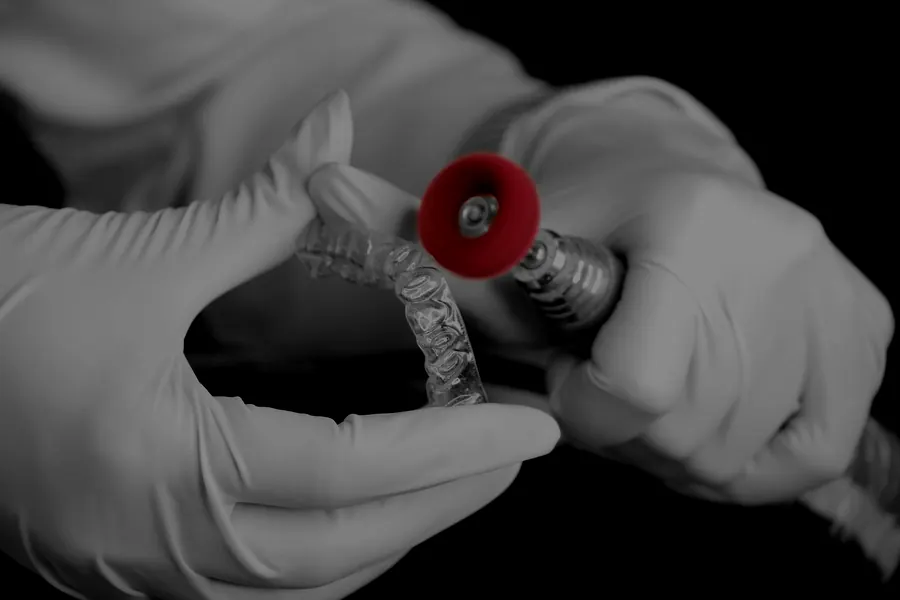
Your teeth, gums and bite are assessed and your goals discussed.

Impressions of both arches are taken and sent to our laboratory.

A clinician approves your plan and the full course price is confirmed.

Your trays arrive from the laboratory and are fitted in Sargodha.
Not a routine check
Yes. An aligner consultation looks at how your teeth are positioned and how they meet, not only at decay and gum health, and ends with a view on whether aligners can give you the result you want. A routine check up rarely goes into that.
Dr Rida will still note anything that needs treating first, such as a cavity or inflamed gums, because aligners should only start in a healthy mouth.
Come with a clear idea of what bothers you about your smile. It shapes the whole conversation.
Meeting Dr Rida
At your consultation, Dr Rida Fatima examines your teeth, gums and bite, asks what you would like to change, and tells you whether aligners can deliver it, roughly how long it would take and where your case sits in the PKR 2 to 5 lakh range. It is free, and you are under no obligation to continue.
She will look closely at anything that affects the plan: fillings, crowns, missing teeth, gum health and the way your jaw closes. If an x-ray is needed to judge root position or bone levels, she will explain why.
You should leave with a clear answer, not a sales pitch. If aligners are the right choice, the next step is impressions; if they are not, you will know what to look for instead.
Records

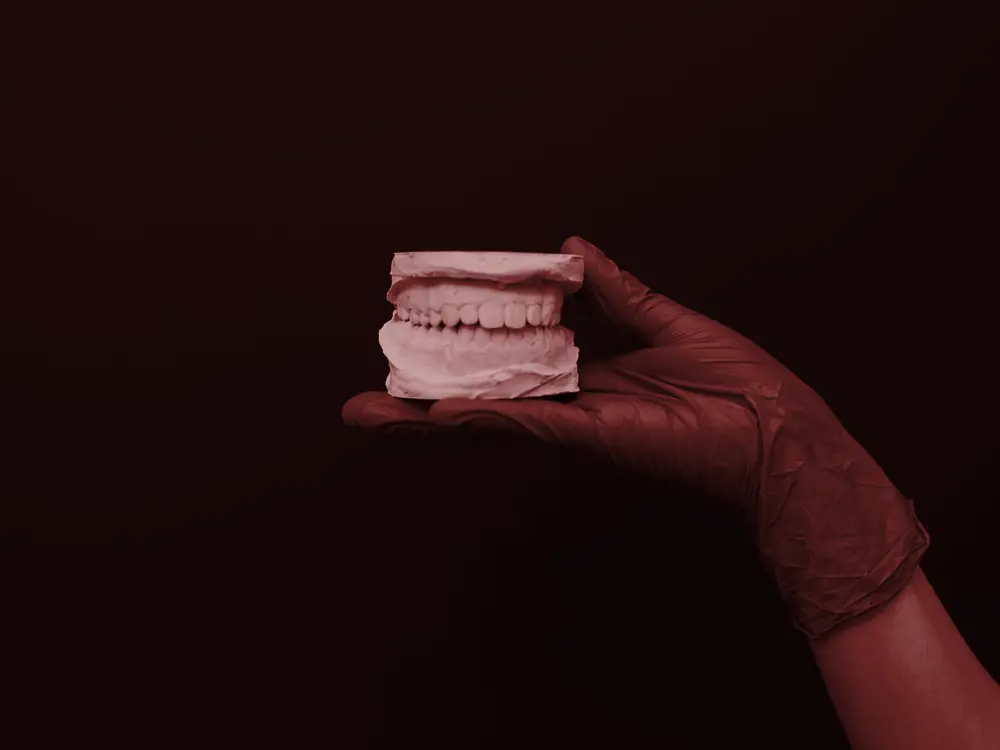
Impressions for aligners are taken by filling a tray with soft impression material, seating it over your teeth for a few minutes until it sets, and repeating for the other arch, with a bite record to show how your teeth meet. The whole process usually takes well under an hour.
Accuracy matters more than anything at this stage. Every tray in your plan is built from these records, so a bubble or tear on one tooth would affect the fit of the whole series. If an impression is not perfect, it is retaken on the spot.
If you have a strong gag reflex, say so. Breathing slowly through the nose, leaning slightly forward and a smaller tray all help, and Dr Rida will go at your pace.
Your first trays
At your fitting appointment in Sargodha, Dr Rida checks that your first tray seats fully, bonds any attachments your plan needs, and shows you how to put the trays in, take them out and clean them. You go home with your kit and your tray schedule.
Expect the first tray to feel snug. That pressure is the tray doing its job, and it eases within a day or two.
This is the best moment for questions about daily life, from eating at weddings to what to do if a tray cracks. Write them down beforehand so nothing is forgotten.
During treatment

You will see Dr Rida at review appointments spaced according to your plan, with tray changes done at home in between. Each review checks that the trays are seating, the teeth are tracking, the attachments are intact and the gums are healthy.
Reviews are short, but they are where small problems are caught before they grow. Bring your current and previous trays and mention anything that has felt different since your last visit.
If something worries you between reviews, such as a tray that will not seat, call us rather than waiting.
A word of caution
Buying aligners online without an in person examination is risky, because nobody checks your gums, roots or bite before your teeth are moved. Problems such as gum disease, short roots or a jaw discrepancy can only be found by examining you, and moving teeth without knowing about them can cause harm.
The appeal is understandable: lower prices and no appointments. But a full course with us costs PKR 2 to 5 lakh with an examination, a clinician approved plan, reviews and a retainer included in the process.
Whoever you choose, insist on being examined by a clinician before any tray is made.
Options for families
Sargodha families should choose aligners when the case suits them and the patient will wear trays 22 hours a day, and braces when the case needs movements aligners handle poorly or the routine is unlikely to be kept. Dr Rida can advise on both at the consultation.
For many families the deciding factors are practical: removable trays mean no food restrictions and easier brushing, while braces work without anyone having to remember to wear them.
Our comparison of aligners vs braces goes through each factor in detail.
The finish
A good aligner result has straight, evenly spaced teeth, a comfortable bite where the back teeth meet properly, healthy gums and a retainer plan that keeps it all in place. Straight front teeth alone are not the whole goal.
That is why the plan looks at how the teeth meet as well as how they look, and why the final check before your retainer covers both.
The best results also last. Most of that is down to the retainer, worn as instructed for the long term.
Before your retainer is made, Dr Rida will check the result with you in the mirror and in photos. If a tooth is not quite where it should be, this is the moment to say so, because a short refinement is far easier now than after the retainer phase has begun.
Problems we treat
Aligners correct most mild to moderate problems with tooth position and many dental bite problems. Each has its own guide below.
Teeth that overlap, lean or twist. Read about aligners for crooked teeth.
From a single front gap to spacing along the arch. See aligners for gaps between teeth.
Teeth that slipped after earlier treatment, often a short plan.
Results
Our aligners have achieved results like these, each from a planned series of trays made in our laboratory.
 After

 After

 After

Timeline
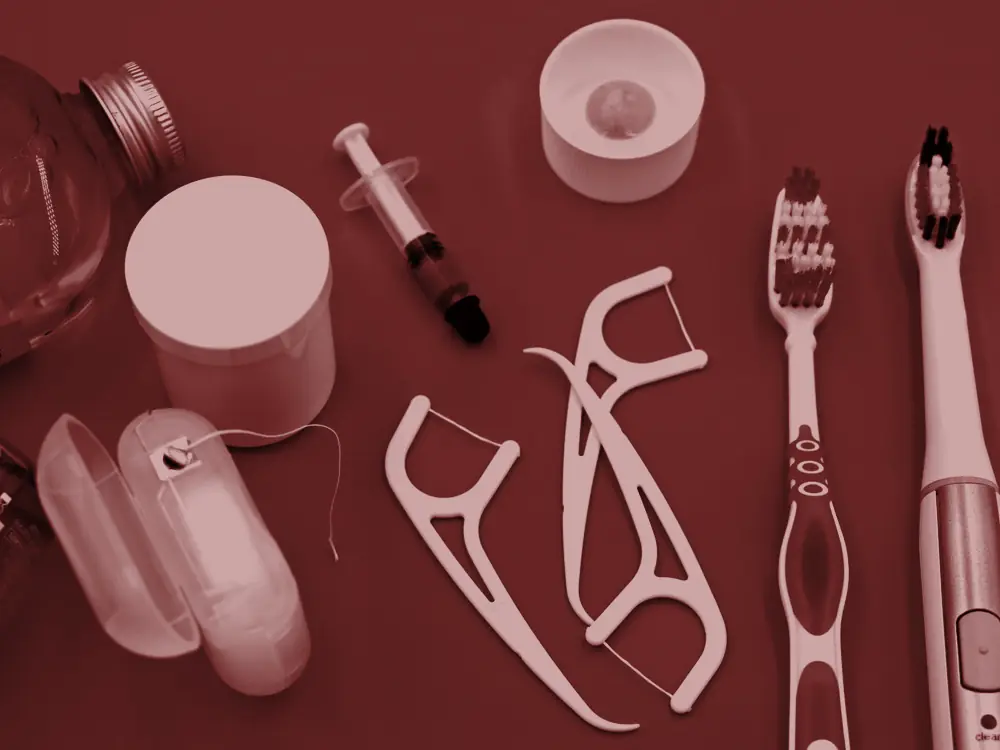
Aligner treatment takes about six months of active wear at minimum for simple cases, then about six months of retainer wear; crowding and bite problems take longer. Your tray count, at around one tray a week, sets your own timeline.
Wear time decides whether that timeline holds. Twenty two hours a day leaves two hours for meals and cleaning, and most patients find that comfortable once it becomes routine.
See our guide to how teeth aligners work for the biology behind the pace.
Kinnow country
Yes, you can eat kinnow and other citrus with aligners, as long as the trays are out while you eat and you rinse with water before they go back in. Citrus juice is acidic, and acid held under a tray against the teeth for hours softens enamel.
Sargodha's kinnow season means plenty of fresh juice. Drink it with a meal rather than through the day, then rinse. Waiting a little before brushing after acidic food is kinder to the enamel than brushing straight away.
The same rule applies to pickles, chutneys and fizzy drinks: trays out, enjoy, rinse, trays back in.
Wear time
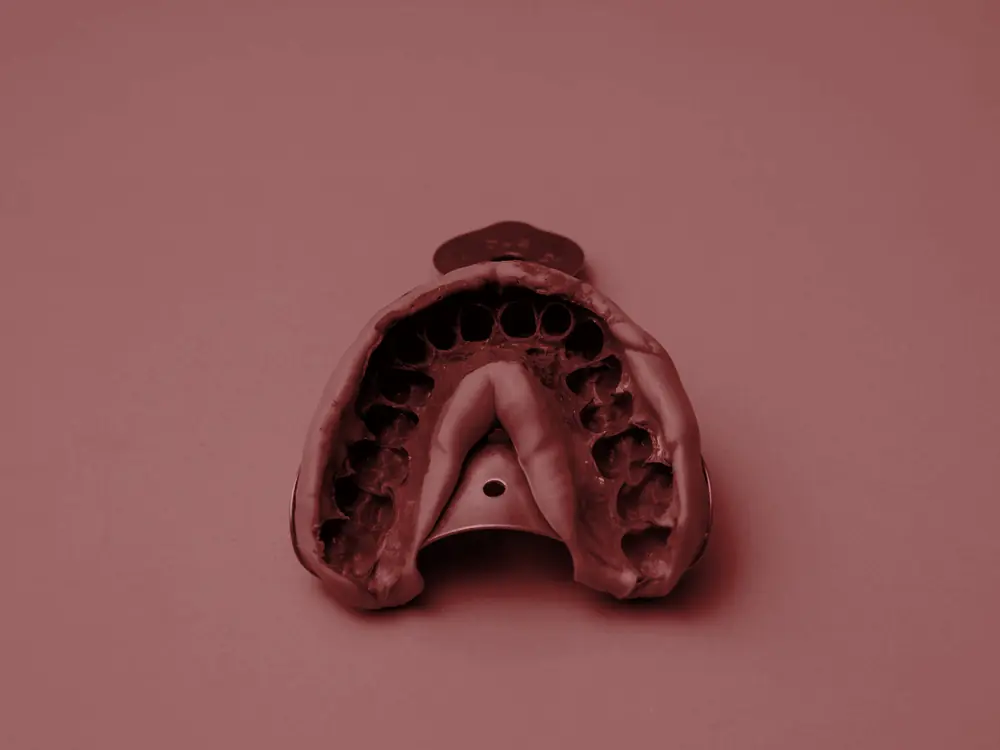
Build the 22 hour habit by keeping meals to set times, carrying your case everywhere, and putting the trays back in straight after brushing. Most lost hours come from snacking and long meals, not from forgetting.
A phone reminder after each meal helps in the first weeks. So does a rule at home that trays go into the case, never onto a plate or into a pocket.
Within a fortnight, most patients feel odd without their trays in, which is the sign the habit has formed.
Sleep
Yes, you wear aligners at night; sleep is when they do some of their most uninterrupted work, since you are not eating or drinking. Put a new tray in at bedtime and you will sleep through most of the initial pressure.
Drink only water at night with the trays in. A glass of milk or juice before bed should be followed by brushing first.
Clenching

Usually, yes. Many people who grind or clench wear aligners without trouble, though the trays may show wear marks and should be checked at reviews. Tell Dr Rida at the consultation if you grind, wake with a sore jaw or have worn teeth.
Heavy grinding can crack a tray before its week is up. If that happens, move to the next tray if it is nearly due, or back to the previous one, and call us for advice.
At home
Keep your aligners in their case, somewhere cool and out of reach of small children and pets, whenever they are out of your mouth. Dogs in particular are drawn to them, and a chewed tray cannot be used.
Keep your previous tray in its bag in the same place. If the current one is lost or damaged, the previous tray holds your teeth while a replacement is made.
Replacements
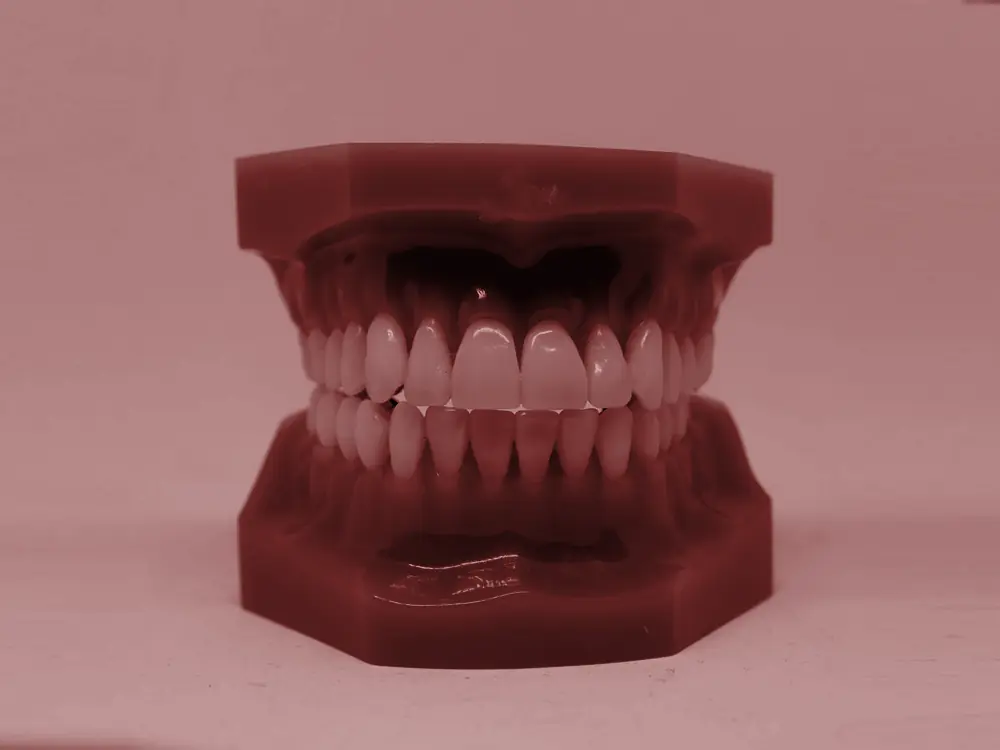
If you lose a tray in Sargodha, call us and wear your previous or next tray as advised while a replacement is made in our laboratory from your case file and sent to you. Distance from a big city does not change the process.
This is one of the real advantages of a laboratory in Pakistan. A replacement does not have to be ordered from abroad, so the gap in treatment stays short.
Teeth that moved
Yes. Teeth that have shifted slowly over the years, whether or not you ever had braces, are a common reason adults in Sargodha start aligners. Lower front teeth that have begun to overlap, or a gap that has opened, are often short plans.
Teeth drift for many reasons: age, a lost back tooth, gum changes or simply the forces of chewing over decades. Dr Rida will look for the cause, because a plan that ignores it may not stay stable.
Once the teeth are back in line, a retainer is what stops the drift starting again. Many adults who return for a second round of straightening say the same thing: they stopped wearing their retainer years ago and wish they had not.
Fit
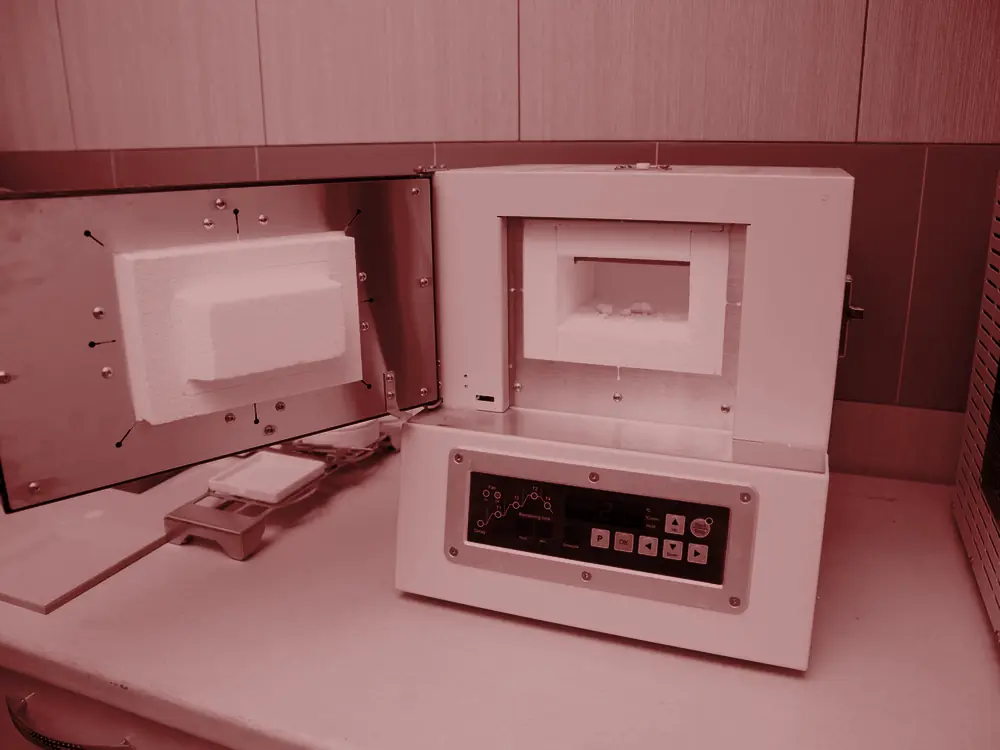
If a tray feels loose near the end of its week, that is normal: the teeth have moved into it and it is nearly time for the next one. If a new tray feels loose on its first day, check the tray number, because it may be the wrong one or from the wrong arch.
A tray that is loose because it has cracked or warped should not be worn. Move to your previous tray and call us so a replacement can be made in our laboratory.
Keeping trays in their numbered bags until they are needed prevents most mix ups.
Oral hygiene
Clean your teeth during aligner treatment by brushing twice a day as usual, plus a brush or a thorough rinse after every meal before the trays go back in, and flossing at least once a day. The trays cover the teeth, so anything left behind stays in contact with the enamel for hours.
Pay attention to the gum line and around any attachments, where plaque collects most easily. A soft brush and gentle circles work better than hard scrubbing.
Dr Rida will check your gums at each review, and a professional clean during treatment is a good idea for most patients.
After treatment
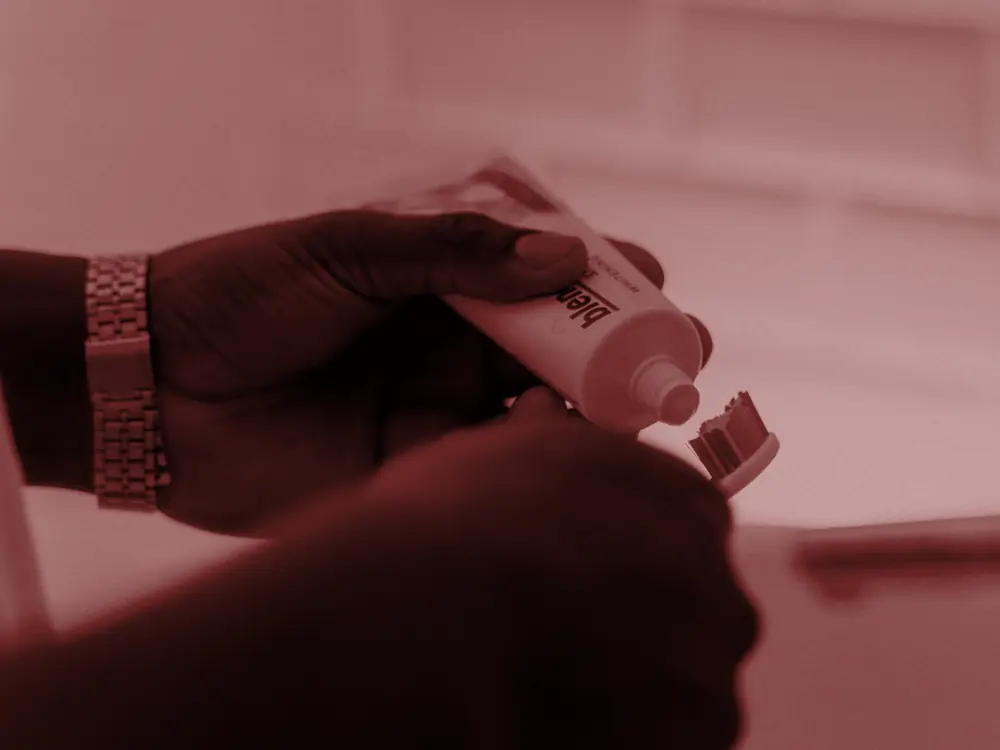
You need to wear a retainer for about six months regularly after your last tray, then at night for the long term. Teeth keep a tendency to drift for years after treatment, and night wear is a small price for keeping the result.
Your retainer is made in our laboratory from impressions taken at the end of treatment and fitted in Sargodha. Read more about clear retainers and how to care for them.
Your kit
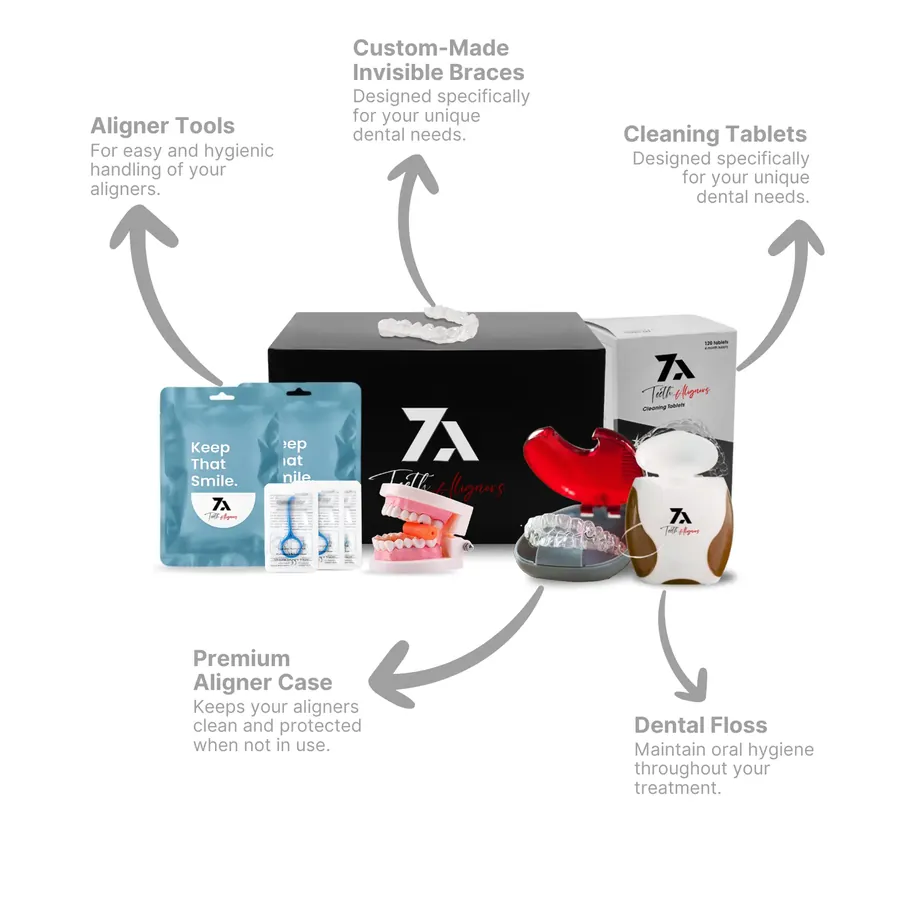
Your aligner kit arrives with your numbered trays, a protective case, tools for taking the trays in and out, cleaning tablets and dental floss. It is everything daily wear needs, packed together.
The case is the most important item. Trays lost at meals are almost always ones that were put down without it.
Some patients also use a Water Pik device for cleaning around tight contacts, though it is optional.
Staying clear
Stop aligners turning yellow by taking them out for everything except water, especially tea, coffee and food cooked with haldi, and by cleaning them with cool water and the tablets from your kit every day. Stains come from what touches the trays.
Brushing your teeth before the trays go back in matters too. Food left on the teeth discolours the inside of the tray.
Because you change trays roughly every week, a well cared for tray rarely has time to stain at all.
Manufacture
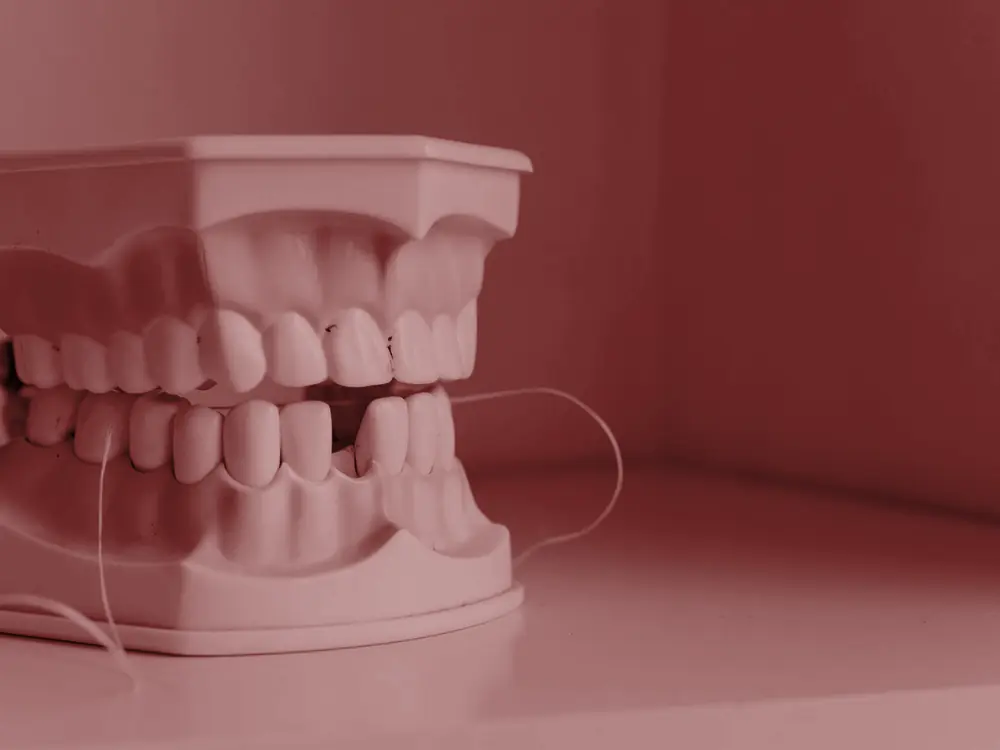
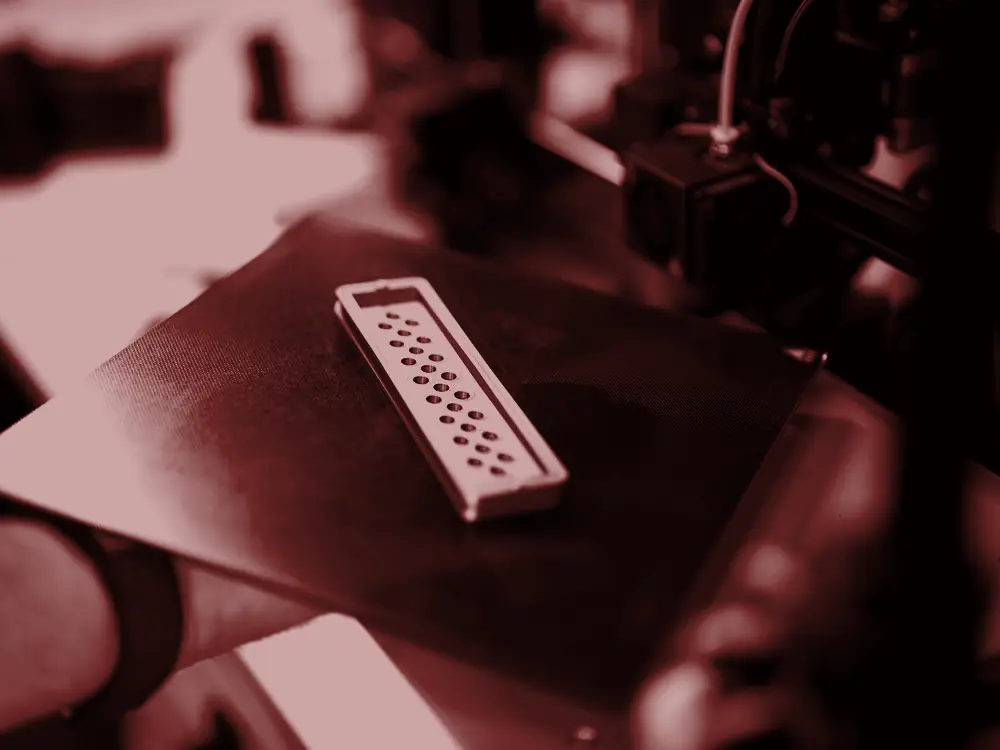
Our own laboratory in Pakistan makes the aligners for Sargodha patients: every stage of the plan is 3D printed as a model, clear sheet imported from the USA is thermoformed over it, and each tray is trimmed and polished by hand before being checked and sent.
Most aligners sold in the country are made abroad and shipped in. Ours are not, which is how the price stays in rupees and replacements stay quick.
Other clinics also buy their aligners from our laboratory for their own patients.
Children
Children can usually start aligners once most of their permanent teeth have come through, often in the early teens, and only if they will wear the trays about 22 hours a day. Younger children are assessed individually, because growth may call for a different approach.
A first assessment can still be useful earlier. It tells parents whether anything needs watching and when treatment would make most sense.
Our article on clear aligners for teens answers the questions parents ask most.
Older adults

Yes. Parents and grandparents can have aligners if their gums and supporting bone are healthy, and there is no upper age limit. Teeth move at any age; what matters is the health around them.
Older adults are more likely to have crowns, bridges or missing teeth, and the plan works around these. Some come to straighten teeth before new dental work, making that work simpler.
Early weeks
In the first month, expect a few days of tightness with each new tray, a slight lisp that fades within days, and a learning curve with removing and cleaning the trays. By the end of the month the routine usually feels normal.
Small changes can already be visible, especially where there was a gap or a single tooth out of line. Photos at each tray change make the progress easier to see.
If any tray will not seat fully, or an edge rubs, call us rather than waiting for your review.
Comfort
Aligners can make teeth feel a little tender for a day or two with each new tray, and some people notice mild sensitivity to cold in the first weeks. It usually settles as the teeth adjust.
Sensitivity that lingers, or pain in one tooth, should be checked. Tell Dr Rida at your next review or call us sooner if it is uncomfortable.
Honest answers
If aligners are not right for you, you will be told at the consultation and given a clear explanation of what kind of treatment would suit your teeth instead, such as fixed braces or specialist care for a jaw problem.
That answer costs nothing, because the consultation is free, and it saves you from paying for trays that could not finish the job.
Family overseas
Yes. Family members abroad can be assessed on a video call, receive an impression kit by courier, and have trays sent from our laboratory, with a clear photo about twelve days into each tray.
If they visit Sargodha, they can start in person with Dr Rida and continue after they return. Our page on teeth aligners from abroad explains the process.
Free consultation
Send your details and our team will call you to arrange an appointment with Dr Rida Fatima. You can also call or WhatsApp 0330 3050007.