

01
Assessment in your clinic
You examine the patient, confirm periodontal health and decide the case is suitable for aligners.
Teeth Aligners / Clear aligners for dentists
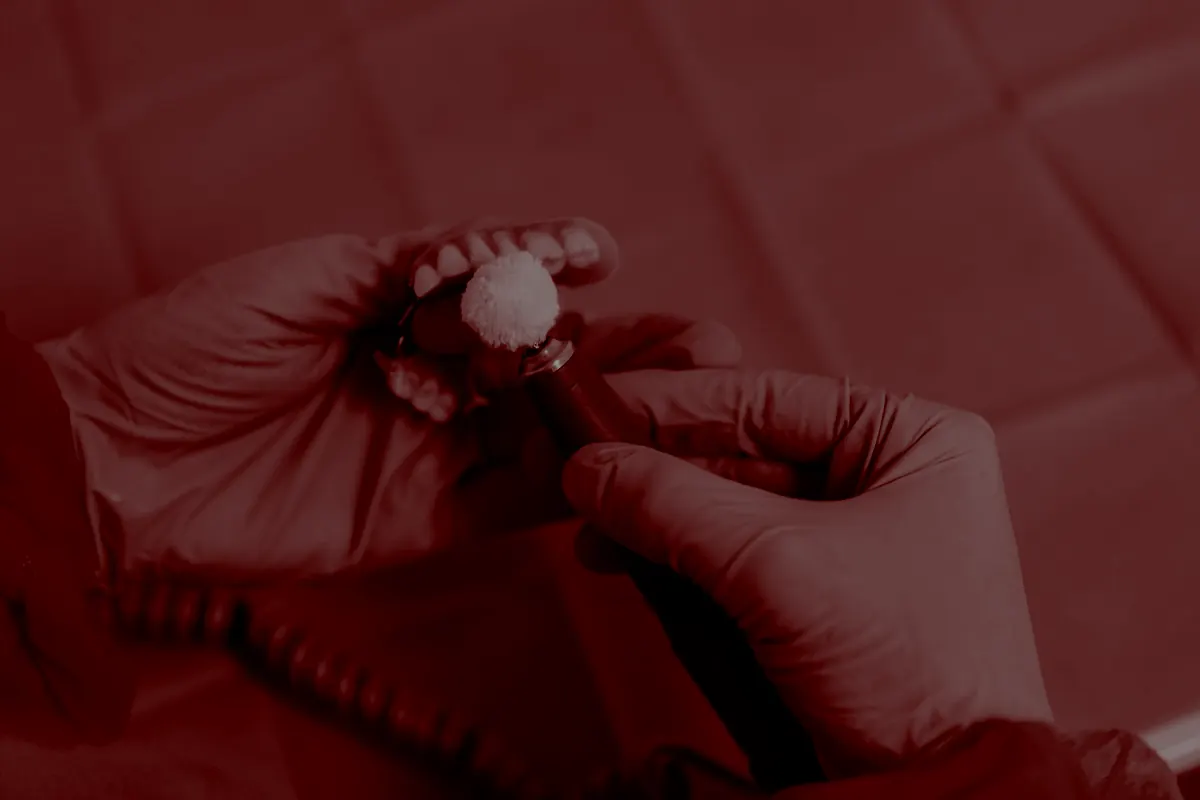
Clear aligners for dentists, made in our own aligner laboratory in Pakistan. You treat the patient; we plan, print, form and finish every tray here, so refinements and replacements come from a lab in the same country, not a parcel from abroad. Register your clinic below to receive our case submission details and pricing for practices.
The short answer
Your patient, our labPlanned, printed and finished in PakistanWe make clear aligners for dentists in our own laboratory in Pakistan, taking a case from your records to a finished, numbered tray sequence. Every movement plan is approved by a clinician before manufacture, models are 3D printed for each stage, and trays are thermoformed on USA imported sheet and finished by hand.
Because the lab is local, refinements, replacement trays and retainers are made here rather than ordered from abroad, and your patients pay a price without an import margin built in. Register below and we will send case submission details and practice pricing.
Why a local lab
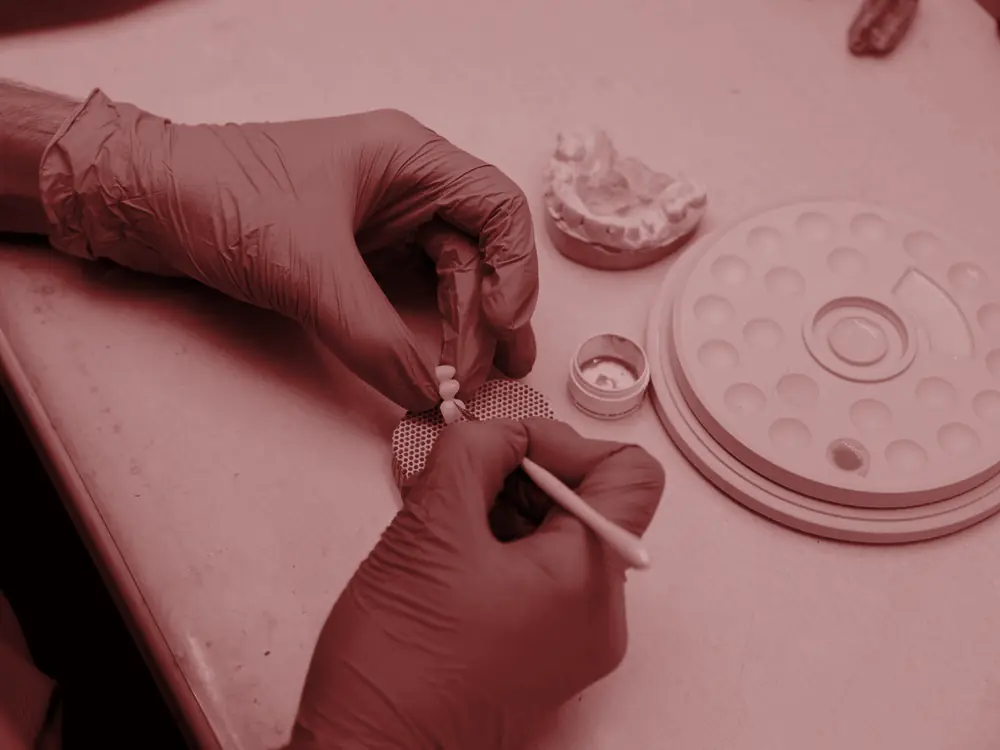
An aligner lab in Pakistan removes the import margin, the currency exposure and the shipping wait that come with imported brands. For a practice, that means a lower cost to pass on to patients and refinements or replacements that arrive from within the country.
Imported systems set their prices in foreign currency, so every swing in the exchange rate lands on the clinic or the patient. A local laboratory prices in rupees and can make a replacement tray from the case file it already holds.
There is also the conversation. When a case needs adjusting, you can speak to the people planning and making the trays, in the same time zone, rather than raising a ticket with a manufacturer abroad.
Case selection
Clear aligners suit mild to moderate crowding, spacing, relapse after previous orthodontic treatment and many dental bite corrections. Severe crowding, impacted teeth and skeletal discrepancies are usually better treated with fixed appliances or referred. This is the case selection guide we use.
| Presentation | Aligner suitability | Notes for the treating dentist |
|---|---|---|
| Mild crowding, anterior | Ideal | Often short plans; IPR may be planned |
| Spacing and diastema | Ideal | Check the frenum and periodontal status; plan bonded retention |
| Relapse after fixed appliances | Ideal | Usually short; retention history matters |
| Moderate crowding with rotations | Good | Attachments for rotations; round teeth may need refinements |
| Deep bite, dental | Good with planning | Both arches; vertical control and attachments |
| Open bite, dental or habit related | Case by case | Address tongue habits; long retention |
| Posterior crossbite, dental | Case by case | Skeletal transverse problems need expansion |
| Severe crowding, extractions | Selective | Root control is harder; consider fixed appliances |
| Impacted or unerupted teeth | Not suitable | Surgical exposure and traction with fixed appliances |
If you are unsure about a case, send the records and ask. We would rather discuss a case before planning it than make trays for a case that will not track.
Before treatment
Before starting aligner treatment, check that the patient is dentally and periodontally healthy: caries treated, periodontal disease controlled, oral hygiene adequate and any planned restorations decided. Moving teeth in an unhealthy mouth risks bone loss and leaves restorations that no longer suit the new tooth positions.
A full examination should note restorations, missing teeth, implants, bridges and any teeth with a doubtful prognosis, because each one changes what the plan can and cannot move. Mobility, recession and gingival biotype are worth recording before treatment, so any change during treatment can be judged against a baseline.
The first appointment is also the moment to understand the patient. Someone who cannot commit to about 22 hours a day of wear, or who expects a result aligners cannot give, is better identified at the start than halfway through a tray series.
Biomechanics
Tipping, minor incisor rotations, space closure in mild cases and incisor intrusion are the most predictable aligner movements; extrusion, large rotations of rounded teeth and bodily root movement are the least predictable. Attachments, careful staging and refinements narrow that gap, but they do not remove it.
| Movement | Predictability | What helps |
|---|---|---|
| Labial and lingual tipping | High | Usually tracks well without special features |
| Incisor rotations | Moderate | Attachments and staged rotation |
| Canine and premolar rotations | Lower | Shaped attachments, slower staging, refinements |
| Incisor intrusion | Moderate | Anchorage from posterior attachments |
| Extrusion | Lowest | Attachments that give the tray grip; consider alternatives |
| Bodily movement and root control | Lower | Attachments, conservative staging, case selection |
| Dental arch expansion | Moderate | Mostly tipping; skeletal problems need other appliances |
These are general tendencies, not guarantees for any one case. Where a plan leans heavily on the less predictable movements, discuss the likelihood of refinements with the patient before starting.
Referral
A case should be referred to a specialist orthodontist when it involves a skeletal discrepancy, impacted or unerupted teeth, severe crowding that needs extractions, significant root movement, growth modification in a child, or any presentation the treating dentist is not confident to manage. Referral at the start protects the patient and the practice.
Some signs are easy to overlook at a first look: a functional shift on closing, a large discrepancy between centric relation and centric occlusion, root resorption already visible on the OPG, or a history of failed previous treatment. Each of these deserves a second opinion before trays are planned.
Knowing where aligners stop is part of offering them well. A practice that refers the right cases builds trust with patients and keeps its own aligner results predictable.
Records
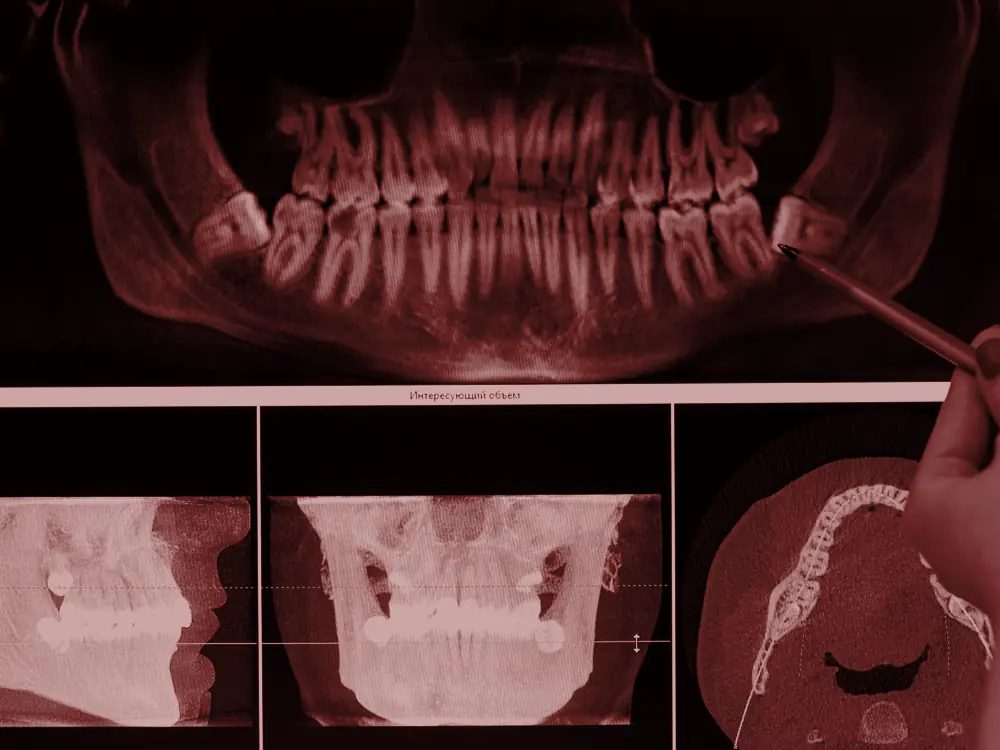
To plan an aligner case, we need accurate impressions or scans of both arches with a bite registration, clinical photographs, and the treating dentist's notes on periodontal health, restorations and the treatment goal. An OPG or other radiographs are needed wherever root position, bone levels or unerupted teeth matter.
Full arch impressions with clear capture of every tooth, including distal surfaces of the last molars and the gingival margins. Drags, voids or tears on any tooth change the fit of every tray built on them.
Frontal smile, frontal in occlusion, both buccal views and both occlusal views. Photos help the planner understand the case and give a baseline for comparing progress.
An OPG is strongly advised for most cases, and essential where there are missing, unerupted or heavily restored teeth, or any doubt about bone support.
Periodontal status, any planned restorations, implants that cannot move, crowns and veneers that affect attachment bonding, and what the patient wants from treatment.
Impression technique
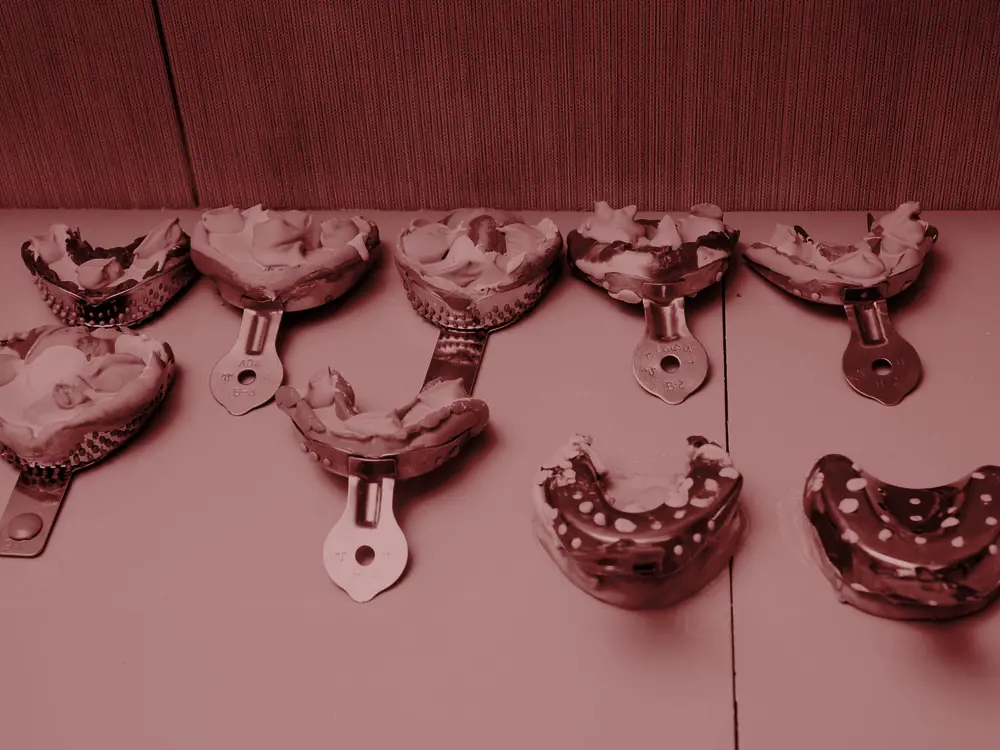
Impressions plan well when every tooth is captured in full, including the distal surfaces of the last molars and the gingival margins, with no voids, drags or tears. An elastomeric material such as addition silicone keeps its dimensions far better than alginate during transport, which matters when impressions travel to a laboratory.
Choose a rigid tray that covers the last molars without touching the teeth, dry the teeth before seating, and check the set impression under good light before the patient leaves. A void on a contact point is easy to miss and changes the fit of every tray built on that model.
Label each impression with the patient name, arch and date, disinfect it according to your clinic protocol, and send it with the bite registration and photographs, so the planner sees the whole case at once. Retaking an impression on the day costs minutes; discovering a fault after planning costs far more.
How a case runs
An aligner case runs in five stages between your clinic and our laboratory, with the clinical decisions staying with you and the planning and manufacturing done here.
You examine the patient, confirm periodontal health and decide the case is suitable for aligners.
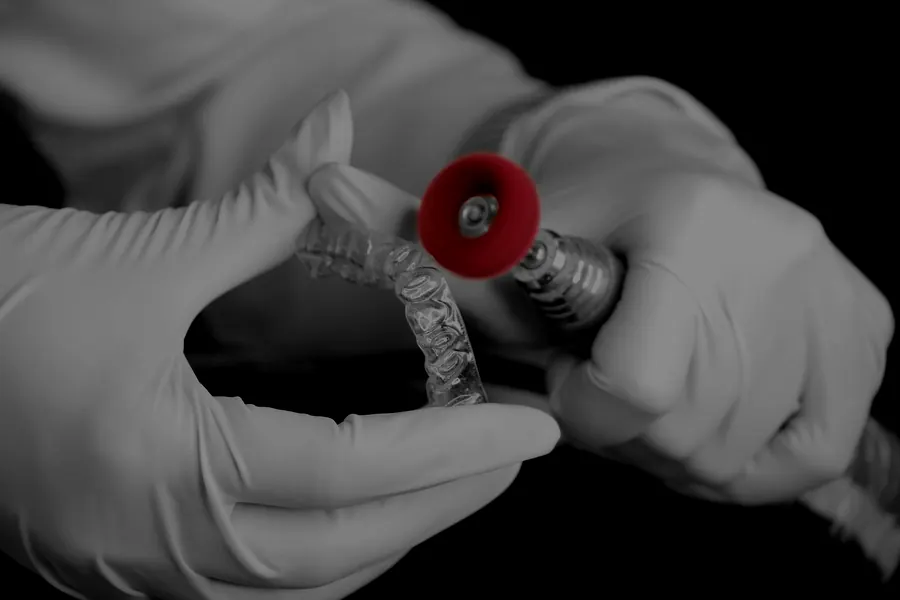
Impressions or scans, photographs and radiographs are sent to our laboratory with your notes and goals.

The movement plan is prepared and approved by a clinician before any tray is made.

Models are 3D printed for each stage and trays thermoformed on USA imported sheet, then trimmed and polished by hand.

You place attachments, carry out any IPR and monitor tracking; refinements and retainers come from the same lab.
Treatment planning
The movement plan is prepared by staging the tooth movements from the initial position to the planned finish, deciding where attachments go and where interproximal reduction creates space, and limiting each stage to movement the teeth can realistically follow. The plan is approved by a clinician before manufacture.
Good staging matters more than any single feature. Space has to be created before teeth move into it, rotations need attachments in place before they start, and vertical movements are staged conservatively because they track less predictably than tipping.
The plan also shows the number of stages, which sets the expected treatment length at roughly a week per tray and lets you give the patient a clear timeline before they commit.
Space
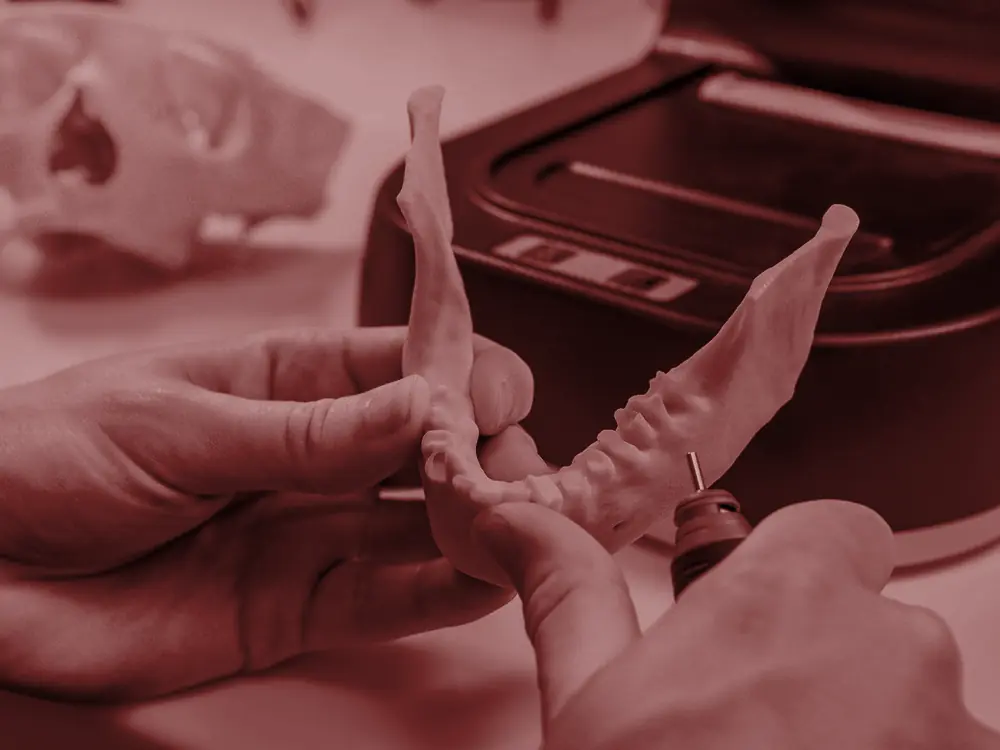
Space in an aligner plan is created by interproximal reduction, dental expansion, proclination of the incisors, distal movement of posterior teeth or, in selected cases, extraction. The right choice depends on how much space is needed, the patient's profile, the periodontal biotype and how much each option would change the smile.
IPR suits small to moderate shortfalls and teeth with a triangular crown shape, where reshaping contacts also reduces dark triangles. Expansion and proclination suit arches that are narrow or retroclined to begin with, but pushing incisors forward over thin bone risks recession, so the biotype matters.
Distal movement of posterior teeth is possible with aligners but slow and anchorage sensitive. Extraction cases are the most demanding for aligners because they need controlled root movement over long distances, which is why they sit at the selective end of the case selection guide above.
Treatment length
An aligner case takes roughly one week per tray, so its length follows the number of stages in the plan: simple cases need at least about six months of active treatment, followed by about six months of regular retainer wear. Refinements add their own stages on top.
The number of stages depends on the largest movement in the plan rather than the average. A single rotated canine or a long distal movement can set the length of the whole case even when every other tooth is close to its finish.
Telling the patient the stage count at the start, and that refinements may add to it, keeps expectations honest. Patients who change trays early to finish sooner usually achieve the opposite, because trays stop seating and progress stalls.
Manufacture
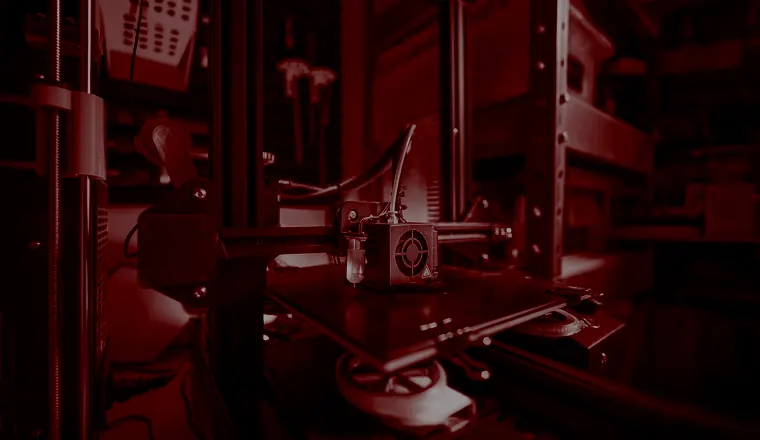
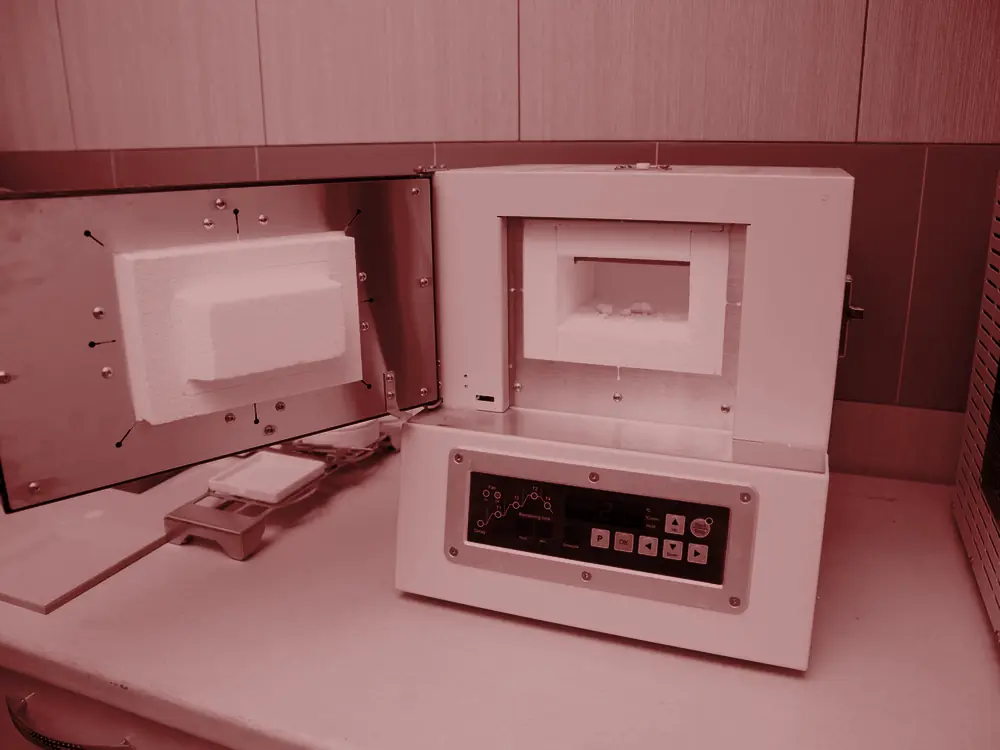
Trays are made by 3D printing a model of the arch for each stage of the plan, thermoforming clear sheet imported from the USA over each model, then trimming each tray along the gingival margin and polishing it by hand. Every tray is checked, numbered in wear order and packed.
Trim lines matter: a tray cut too short loses retention and control, one cut too long irritates the gingiva. Hand finishing is where those details are controlled.
Chairside
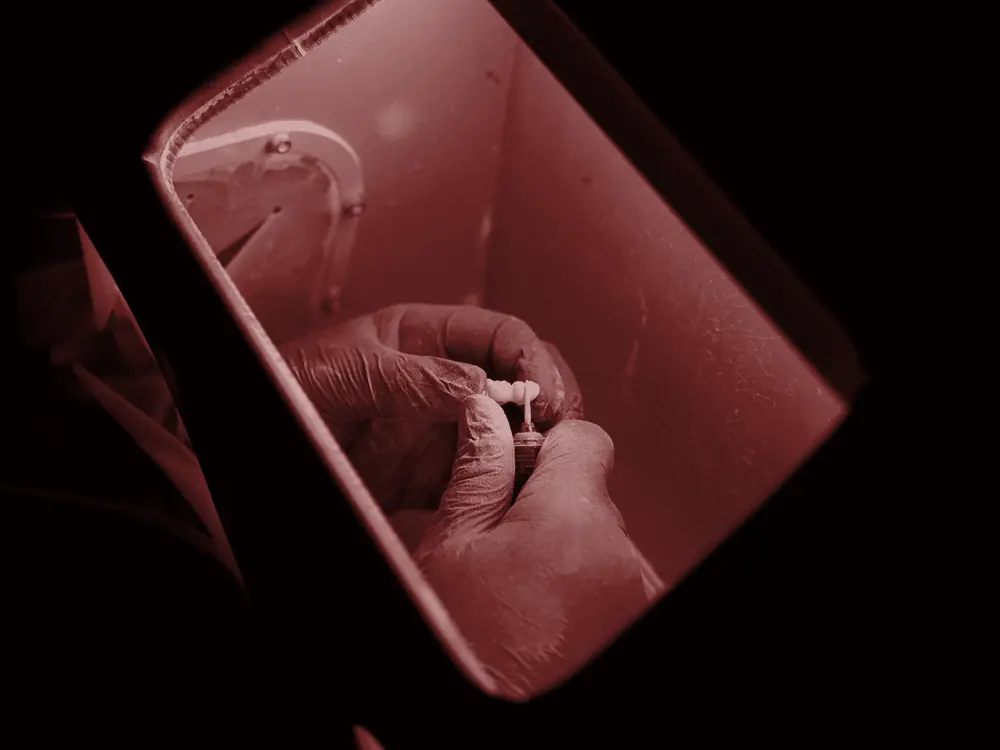
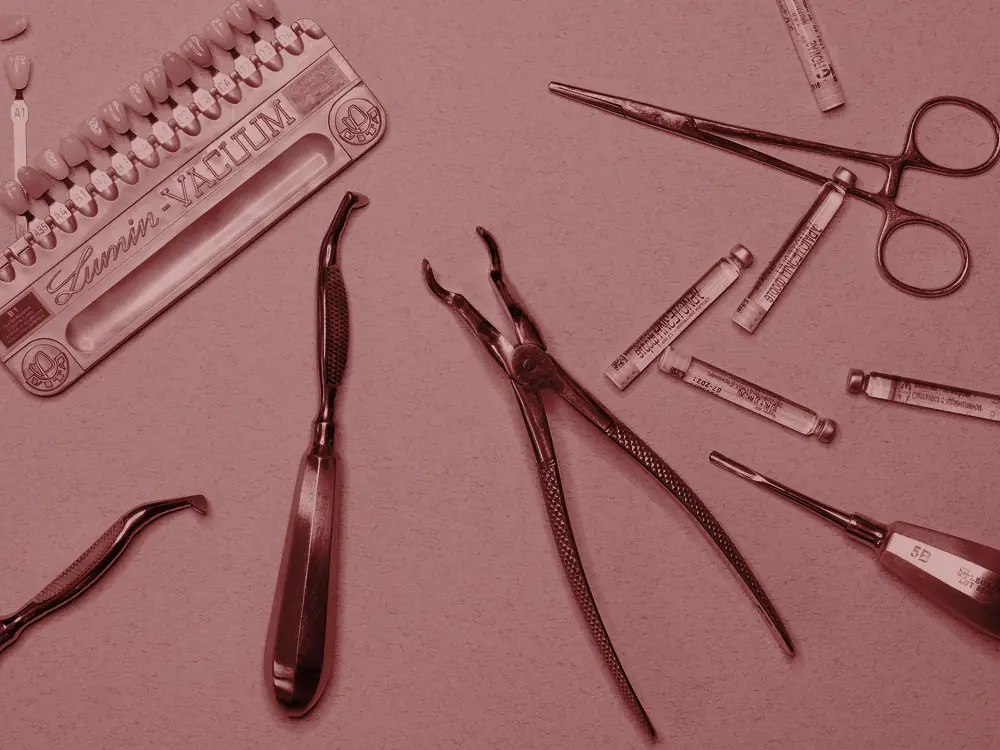
Attachments are bonded chairside by the treating dentist using a template tray, and IPR is carried out at the stages the plan specifies, to the amounts it specifies. Both are planned in advance so the trays fit the teeth as they will be at each stage.
For attachments, the enamel is prepared and the composite placed through the template, then excess is removed so the attachment shape stays accurate. Attachments bond less readily to porcelain, so crowns and veneers may need a different approach or attachment placement elsewhere.
IPR is carried out with strips or discs to the planned amount, measured with a gauge. Doing more or less than planned changes how later trays fit, so the numbers in the plan should be followed closely.
Monitoring
Aligner progress should be monitored by checking tray seating and tracking at regular intervals: each tray should sit flush against every tooth with no gap at the incisal or occlusal edges. Gaps that persist indicate a tooth lagging behind the plan.
Common causes of poor tracking are insufficient wear time, trays changed early, attachments lost or worn, and IPR not carried out to the planned amount. Chewies help patients seat each tray fully, especially in the first days.
For patients outside Pakistan, our own programme uses a clear photograph about twelve days into each new tray. For patients in clinic, in person checks give you the chance to inspect attachments and seating directly.
Troubleshooting
Most problems during aligner treatment come from trays that do not seat fully, lost attachments, irritating edges or lost trays, and each has a standard response. Acting at the first sign stops a small problem becoming a series of trays that no longer fit.
| Problem | Likely cause | Usual response |
|---|---|---|
| Tray not seating at the incisal edges | Low wear time or trays changed early | Wear the current tray longer with chewies; return to the previous tray if needed |
| Attachment lost | Bonding failure or hard foods | Rebond with the template tray at the next visit |
| Edge irritating the gingiva or tongue | A sharp or long trim line | Smooth the edge chairside; tell the lab if it recurs |
| Tray lost or broken | Removed at meals and misplaced | Move to the previous or next tray as the plan allows; request a replacement |
| Slight lisp | A new tray in the mouth | Usually settles within days as the tongue adapts |
| A tooth falling behind the plan | Wear time, IPR or attachments | Check each cause; take new records for a refinement |
Patients should know exactly who to call when something goes wrong. A clear, written instruction for a lost tray saves a phone call and protects the plan.
Refinements
Refinements are planned from new impressions or scans when teeth have not reached their planned positions, and a short additional series is made in our laboratory. Replacement trays for lost or damaged aligners are made from the case file we already hold.
A local lab changes how these situations feel for the patient. Instead of weeks waiting for an overseas shipment, the replacement or refinement series is made in Pakistan.
Refinements are a normal part of many aligner plans, particularly for rotations of rounded teeth and vertical movements, and should be discussed with patients at the start so they are not seen as a failure.
Retention
Retention after aligner treatment usually involves a phase of about six months of regular retainer wear followed by night time wear for the long term, with bonded retainers added for cases prone to relapse such as closed diastemas and corrected rotations. Clear retainers can be made in our laboratory from final impressions or scans.
Retention is the part of treatment patients are most likely to neglect. Setting the expectation of long term night wear at the consultation, before treatment starts, is the most effective way to protect the result. Our patient guide to clear retainers can be shared with your patients.
Restored dentitions
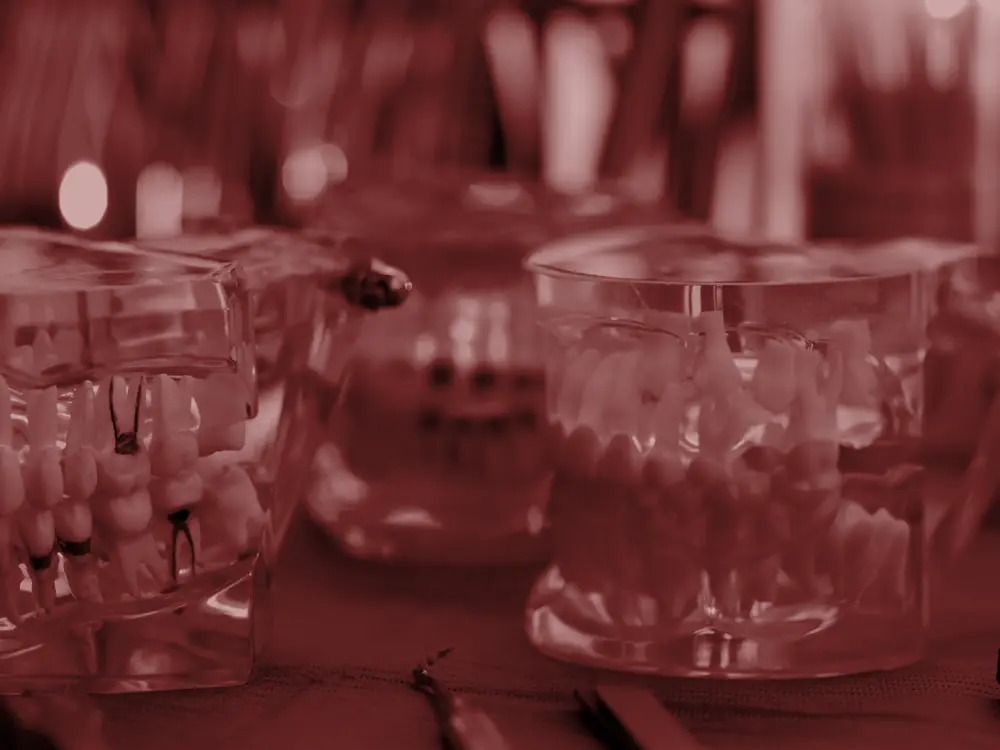
Yes, patients with crowns, bridges or implants can often have aligners, provided the plan treats implants and bridged teeth as fixed units. An implant behaves like an ankylosed tooth and will not move, and the abutments of a fixed bridge move together or not at all, so the plan has to work around them.
Crowns and veneers affect attachments more than movement. Composite bonds less reliably to porcelain and zirconia, so attachments on those surfaces need surface preparation suited to the material, or the plan may place attachments on neighbouring natural teeth instead.
Large composite restorations and teeth with a doubtful prognosis are worth discussing before planning. A tooth that will be crowned after treatment can sometimes be positioned during aligner treatment so the later restoration is more conservative.
Periodontal patients
Aligners can be used for patients with a history of periodontal disease once the disease is treated and stable, never while it is active. Orthodontic movement in the presence of active inflammation risks further attachment loss, so periodontal therapy and a period of stability come first.
For stable periodontal patients, removable trays have a practical advantage: they come out for brushing and interdental cleaning, which is harder around fixed brackets and wires. Reduced bone support does call for gentler staging and close monitoring of mobility and recession.
Patients whose front teeth have drifted and spaced after bone loss are a common group seeking treatment. Their retention needs extra thought, and bonded retainers are often part of the long term plan.
Interdisciplinary
Yes, aligners are often used before restorative and cosmetic work to move teeth into better positions first, which can reduce how much tooth structure veneers or crowns remove. Aligning a crowded arch before veneers can turn an aggressive preparation into a conservative one.
Common combinations include aligning teeth before veneers or bonding, uprighting a tilted tooth before a bridge or implant, redistributing space so an implant or a composite build up has the right width, and opening or closing space before cosmetic work.
The order matters. Alignment comes first, then a period of retention, then the final restorations, so the restorations are made for teeth in their stable positions. Retainers made after the restorative work need to fit the new restorations.
Results
Our aligners achieve results like these real cases from our laboratory: crowding resolved, spacing closed and rotations corrected with planned tray series.
 After

 After

 After

Your patients
Explain aligner treatment to patients in terms of what it asks of them: trays worn about 22 hours a day, a new tray roughly every week, regular checks, and long term retainer wear. Patients who understand the routine before they start are the ones who comply.
Showing the planned result and the number of trays makes the commitment concrete. So does an honest conversation about refinements and about cases where fixed appliances would serve them better.
Our patient guides, including how teeth aligners work and aligners vs braces, are written to support that conversation and can be shared with your patients.
Consent
Aligner consent should cover the wear required, the expected length of treatment, the possibility of refinements, attachments and IPR, the normal discomfort of new trays, and the need for long term retainer wear. Patients who sign knowing these points are far less likely to be surprised later.
Consent should also cover the general risks of orthodontic tooth movement, which apply to aligners as they do to braces: root resorption, gingival recession, decalcification if hygiene is poor, and relapse if retainers are not worn. Each of these is a known risk of orthodontics in general rather than of aligners in particular.
Finally, consent should say what happens if a tray is lost, if treatment is paused, or if the patient's goals change, so the clinical and practical arrangements are agreed before the first tray is fitted.
Compliance
A practice improves aligner compliance by setting expectations clearly at the start, checking tray seating at every visit, and acting quickly when tracking slips. Compliance problems show up as trays that do not seat, and catching them early prevents a cascade of poorly fitting trays.
Simple tools help: written wear instructions, reminders for tray changes, chewies for seating, and a clear plan for what the patient should do if a tray is lost. Teenagers often benefit from a parent being involved in the routine.
Teenage patients

Aligners are suitable for many teenage patients once the permanent teeth have largely erupted, provided the teenager will wear the trays about 22 hours a day. Compliance, not biology, is the main question with this age group.
Erupting second molars can affect how the back of a tray fits, and growth can change the bite during treatment, so teenage plans need closer review than adult ones. Skeletal problems in a growing patient are often better addressed with growth modification under a specialist.
Involving a parent in the routine helps, as do clear rules for meals, school days and sport. Our patient guide on clear aligners for teens answers the questions families most often ask.
Getting started
A practice needs a case selection routine, a records kit, materials and a template for bonding attachments, IPR strips with a gauge, a consent process and a retention plan to start offering aligners. Most of this is standard dental equipment; the new part is the routine around it.
Starting with a few straightforward cases lets the whole team learn the routine before taking on more demanding plans.
Choosing a lab
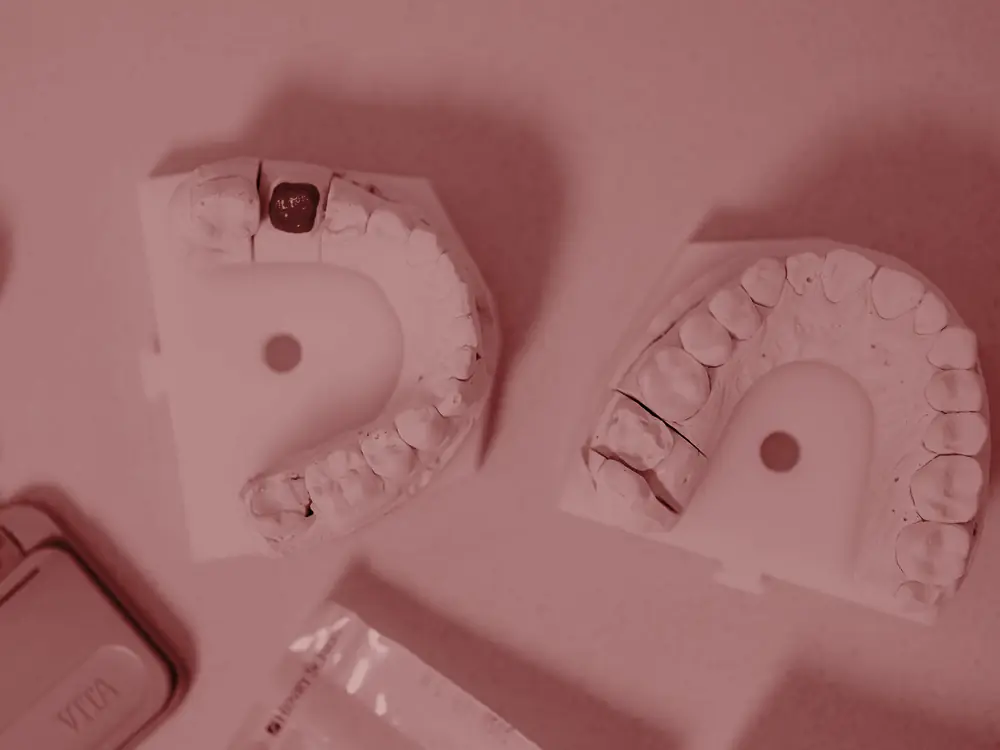
A dentist should look for an aligner lab whose plans are approved by a clinician, that uses known materials, finishes every tray carefully, handles refinements and replacements quickly, and is easy to talk to about a case. Those factors decide how a case runs far more than the name on the box.
Ask who reviews the movement plan and how changes are requested before manufacture. Ask what sheet material is used and how trays are trimmed. Ask how refinements are handled, which records are needed, and how a replacement tray is ordered. Ask whether retainers come from the same lab.
Our answers are on this page: plans approved by a clinician, USA imported sheet, models printed and trays finished by hand in our laboratory in Pakistan, and refinements, replacements and retainers made by the same team. Register below for the details that are specific to practices.
Pricing
Pricing for our clear aligners for dentists is shared directly with registered clinics, so register using the form on this page to receive it. For reference, our own patient programme is priced at PKR 2 to 5 lakh for a full course, depending on the complexity of the case.
Because trays are made locally, practice pricing is not exposed to the currency swings that affect imported systems. Our public guide to the aligners price in Pakistan explains how case complexity moves the price for patients.
Quality
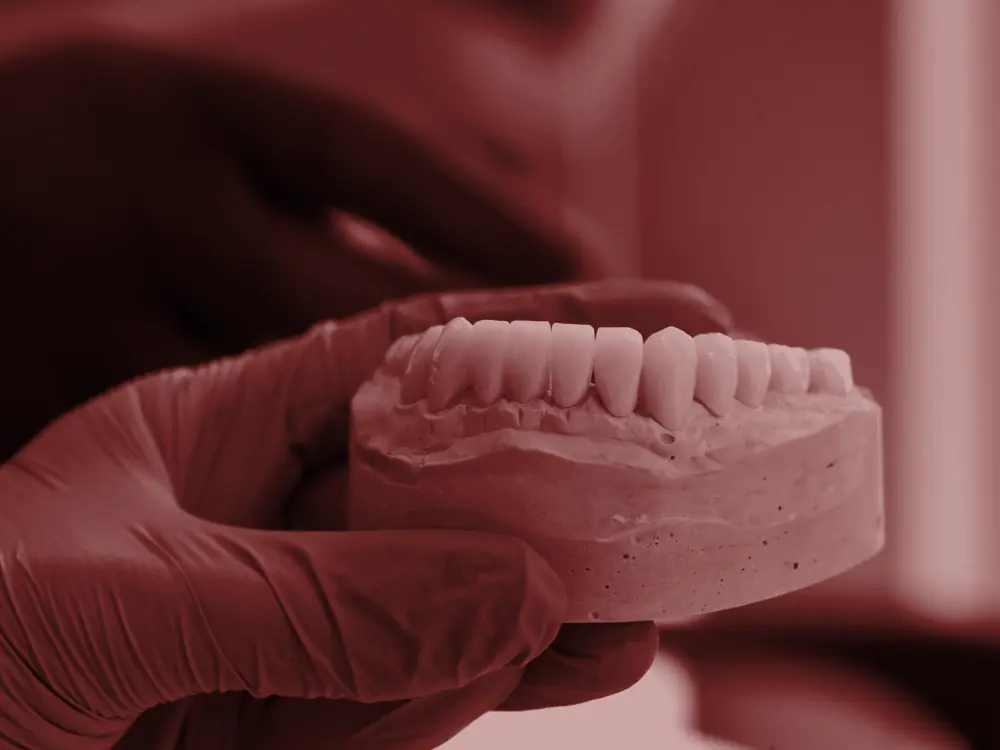
Quality is controlled at each stage: the plan is approved by a clinician, every printed model is checked before forming, and every tray is inspected after trimming and polishing for fit lines, edges and clarity before it is numbered and packed.
The most important quality factor is outside the lab: the accuracy of the impressions. A tray can only be as accurate as the record it was built on, which is why poor impressions are returned for retaking rather than planned.
Who it suits
We supply clear aligners for dentists and orthodontists in Pakistan who want to offer aligner treatment to suitable patients with a local laboratory behind them. It suits practices starting with aligners as well as those already treating cases with imported systems.
Practices new to aligners usually begin with simple cases, such as spacing and mild crowding, while they build confidence with records, attachments and monitoring. The case selection guide above is a sensible starting point.
Background
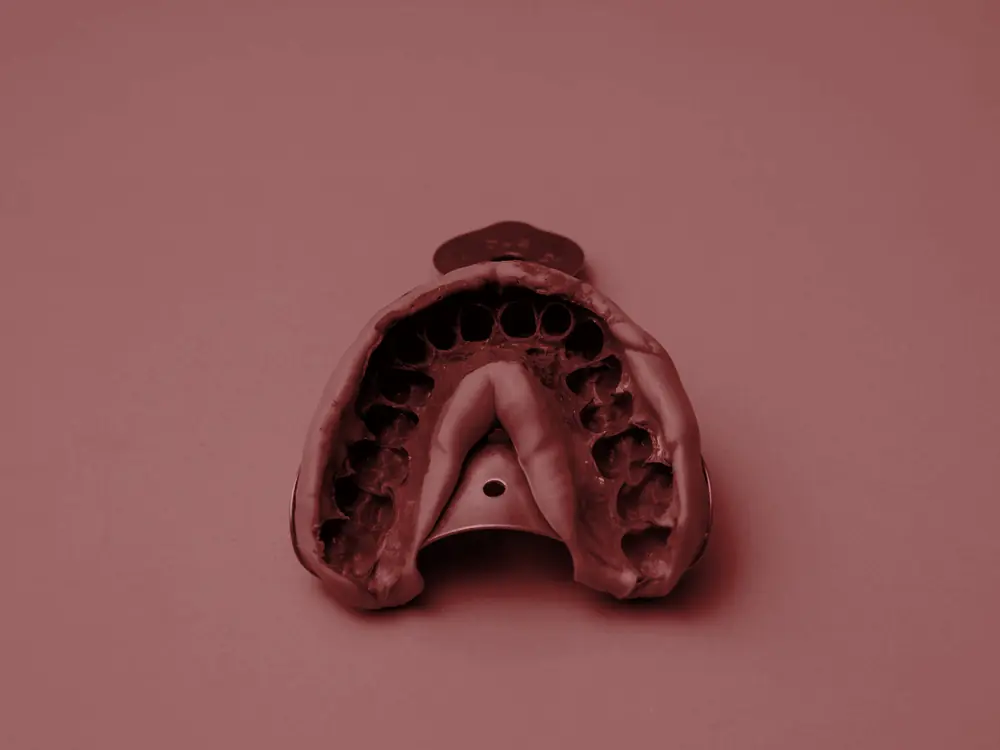
Yes. Clear aligners are an established orthodontic appliance used worldwide for suitable cases, moving teeth through a planned series of custom trays. The American Association of Orthodontists describes them in exactly those terms (AAO on aligners).
Their limits are also well understood: complex root movements, large extrusions and skeletal problems are generally more predictable with fixed appliances. Case selection, not the appliance, is what determines most outcomes.
Register your clinic
Fill in the form below and our team will contact you with case submission details, record requirements and pricing for practices. Registration places you under no obligation to submit a case.