

01
Examination
A clinician checks how crowded the teeth are, the gums and the bite, and whether aligners suit your case.

Teeth Aligners / Aligners for crooked teeth
Aligners for crooked teeth straighten crowded, overlapping and rotated teeth with a planned series of clear trays, without brackets or wires. Most crowding, from a single twisted tooth to a crowded front row, is treated well with aligners when the trays are worn 22 hours a day. Here is how it works, how long it takes, and when braces are the better choice.
The short answer
Yes, usuallyMild to moderate crowding and most rotationsYes. Clear aligners fix most crooked teeth, including mild to moderate crowding, overlapping front teeth, rotated teeth and teeth that have drifted after braces. Severe crowding and teeth that are buried in the gum can still need braces, which a clinical examination will tell you before you start.
The trays first make the space crooked teeth need, then guide each tooth into line, a small planned step with every tray. Rotated teeth get small tooth coloured attachments so the trays can grip and turn them.
How we do it
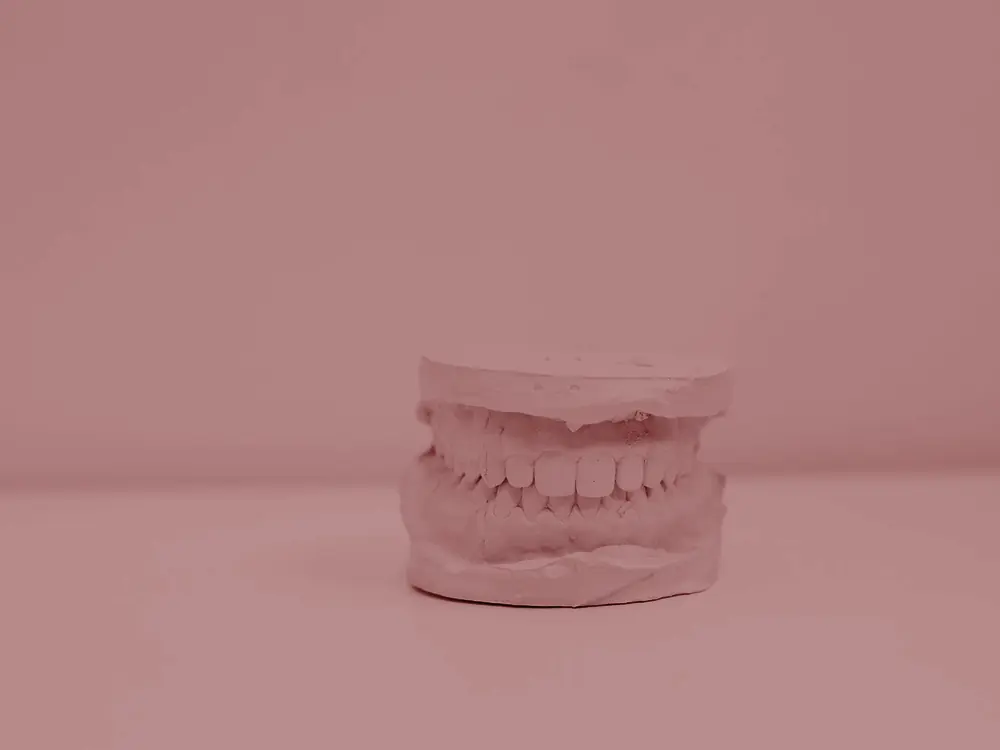
We treat crooked teeth by examining you in person, measuring how much space your teeth are short of, and having a clinician approve a plan that creates that space before any crowded tooth moves into it. The trays are then made in our own laboratory, and the same team handles your reviews, any refinement and your retainers.
Why Teeth Aligners
Choose Teeth Aligners for crooked teeth because we are the laboratory as well as the provider: your plan, trays, refinements and retainers all come from one team in Pakistan, which is what keeps a full course at PKR 2 to 5 lakh.
Trays are printed, formed and finished in Pakistan rather than ordered from abroad, so no import margin sits in your price.
Your movement plan is approved by a clinician who has examined you, not generated from a selfie.
Quoted after your assessment, once the number of trays your crowding needs is known.
If a turned tooth needs more time, extra trays are made from your case file here in the country.
The crowding and rotation results on this page were treated with our trays.
Other dental clinics buy their aligners from our laboratory for their own patients.
Book a free consultation and a clinician will tell you whether aligners suit your crowding, how many trays it would take and what it would cost.
Why it happens
Crooked teeth are usually caused by a mismatch between the size of the teeth and the space in the jaw, so the teeth overlap or twist to fit. Other common causes are milk teeth lost early or late, childhood habits such as thumb sucking, and the natural drift of teeth over the years.
The size of your teeth and the size of your jaws are inherited separately. When the teeth are slightly too large for the arch, they crowd; when they are too small, gaps appear. This is the most common reason for crowding, and it often runs in families.
A milk tooth lost too early lets the neighbouring teeth drift into its space, so the adult tooth has no room to come through straight. A milk tooth that stays too long can push the adult tooth out of line.
Long term thumb sucking, dummy use and a tongue that pushes against the teeth can tip the front teeth forwards or open a gap.
Teeth keep moving slightly throughout life, and the lower front teeth in particular tend to crowd with age. This is also why teeth straightened years ago drift back when retainers are stopped.
Beyond looks
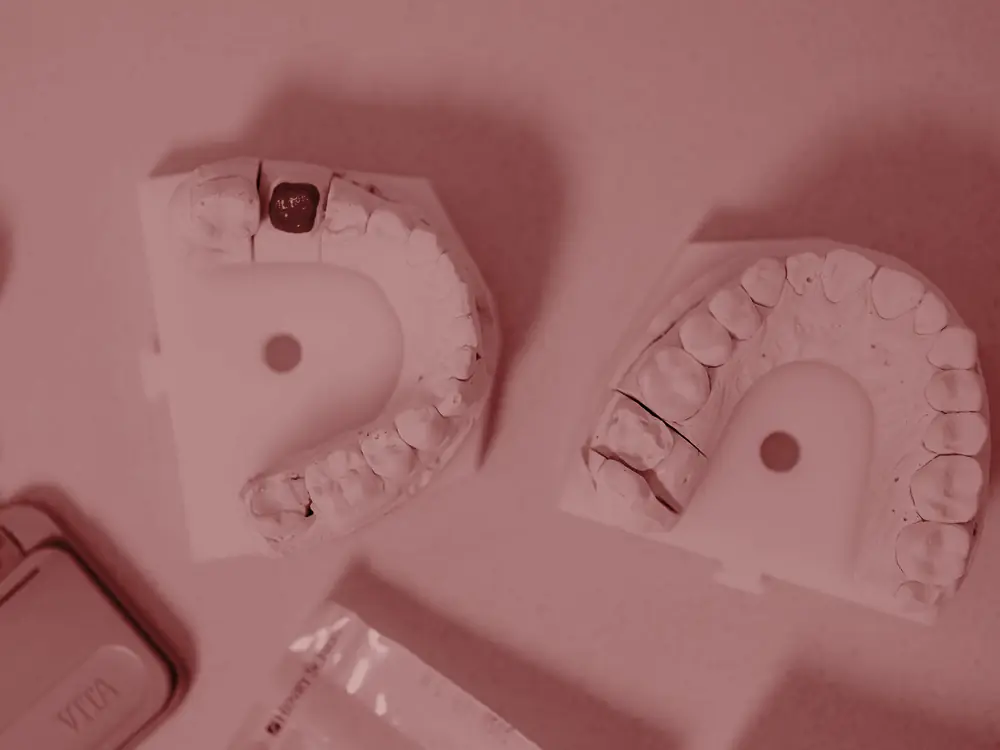
Crooked teeth are worth fixing even when they do not hurt, because overlapping teeth trap plaque that a toothbrush cannot reach, which raises the risk of gum inflammation and decay. Teeth that meet unevenly can also wear or chip at the edges over time.
Most people come to us because of how their smile looks in photographs, and that is a perfectly good reason. The health benefits come with it: straight teeth are simply easier to keep clean, and gums around well aligned teeth tend to stay healthier.
There is also a practical point about timing. Crowding usually gets slowly worse, not better, especially in the lower front teeth. A mild case treated now is a shorter, simpler plan than the same case left for ten years.
Case by case
Aligners treat most kinds of crooked teeth well, with severe crowding and buried teeth as the main exceptions. This is how each type usually responds.
| Type of crooked teeth | Aligners | What it involves |
|---|---|---|
| Mild crowding of the front teeth | Excellent | Short plan, sometimes a little IPR to make room |
| Moderate crowding | Good | More trays, space made by IPR or gentle arch widening |
| Severe crowding | Sometimes | May need a tooth removed or braces for control |
| Overlapping front teeth | Excellent | Space made, then the overlap undone tray by tray |
| Rotated or twisted teeth | Good | Attachments bonded to the tooth for grip |
| One crooked tooth | Often | A short plan, with the rest of the arch checked |
| Crowding that returned after braces | Excellent | Usually a short correction, then retainers |
| Buried or impacted teeth | Rarely | Usually needs surgery and fixed braces |
Each row is a general guide. Your examination and scan decide which applies to your teeth, and we will tell you honestly if braces would serve you better.
Making space
Aligners straighten crowded teeth in two stages: first they create the space the teeth need, then they guide each tooth into that space. Space comes from gently widening the arch, slightly tipping the front teeth, or polishing a thin layer of enamel from between some teeth, a step called IPR.
The order matters. A crowded tooth cannot move into line until there is room for it, so the plan makes space in the early trays and uses it in the later ones. You can see that sequence in your digital plan before treatment starts.
IPR is planned to fractions of a millimetre and is not painful, because enamel has no nerves. Our guide to how teeth aligners work explains IPR and attachments in more detail.
In the most severe cases, there is simply not enough room without removing a tooth. That decision is made from your scan and, where needed, an x-ray, never as a routine.

Twisted teeth
Aligners fix rotated teeth by turning them a little with each tray, using small tooth coloured attachments bonded to the tooth so the tray has something to grip. Without attachments, a smooth tooth can slip inside the tray instead of turning.
Rounder teeth, such as canines and premolars, are harder to turn than flatter front teeth, so they may need more trays or a refinement at the end.
Just one tooth

Often, yes. A single crooked or twisted tooth can frequently be corrected with a short aligner plan. The rest of the arch is still checked, because moving one tooth can affect its neighbours and the way the upper and lower teeth meet.
A tooth usually looks crooked because there is not quite enough room for it. Straightening it means making a little space, which can involve small movements of the teeth either side, so a plan for one tooth rarely moves only that tooth.
Short plans for a single tooth tend to sit toward the lower end of our price range. Your consultation tells you whether a short plan will give the result you want, or whether a fuller plan would serve you better.
Relapse
Yes, and these are among the most common cases we see. Teeth straightened with braces years ago often crowd again, especially the lower front teeth, when retainers were stopped. A short course of aligners usually brings them back into line.
Relapse cases are often quicker than first time treatment, because the teeth have moved less far and the bite was corrected the first time. The plan focuses on the teeth that drifted.
This time, the retainer stays. Most relapse happens because retention ended too soon, so we plan the retainer phase as part of the treatment, not as an afterthought.
Real cases
Crooked teeth before and after aligners look like these two real cases from our patients: one with crowded front teeth and one with rotated teeth. Both followed the steps described on this page.
 After

 After

Treatment time
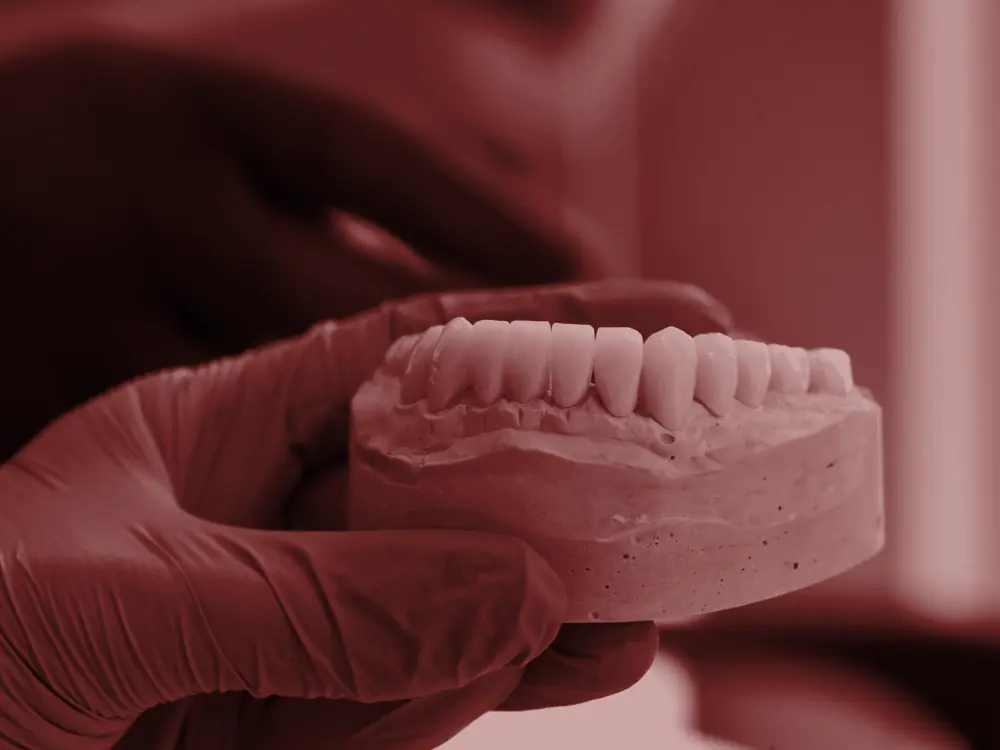
Straightening crooked teeth with aligners typically takes at least six months, followed by a retainer phase of about six months. Mild crowding or a single crooked tooth can finish sooner; moderate crowding with rotations takes longer, because more trays are needed.
You move to a new tray about every week, so the number of trays in your plan is the best guide to treatment length. The plan shows that number before you start.
Most patients see the front teeth begin to straighten within the first month or two. Rotations and the final details take longer, and refinement trays may be added at the end to perfect the result.
The first month
In the first month, you get used to wearing the trays 22 hours a day, feel pressure for a day or two with each new tray, and often start to see crowded front teeth beginning to move. Our video follows the first thirty days.
Attachments, if your plan needs them, are usually placed at the start. Any IPR is done at the points in the plan where space is needed, often in the early trays.

Your treatment
Straightening crooked teeth with aligners follows five steps, from the first examination to the retainer. Nothing is made until you have seen your plan and agreed the price.
A clinician checks how crowded the teeth are, the gums and the bite, and whether aligners suit your case.
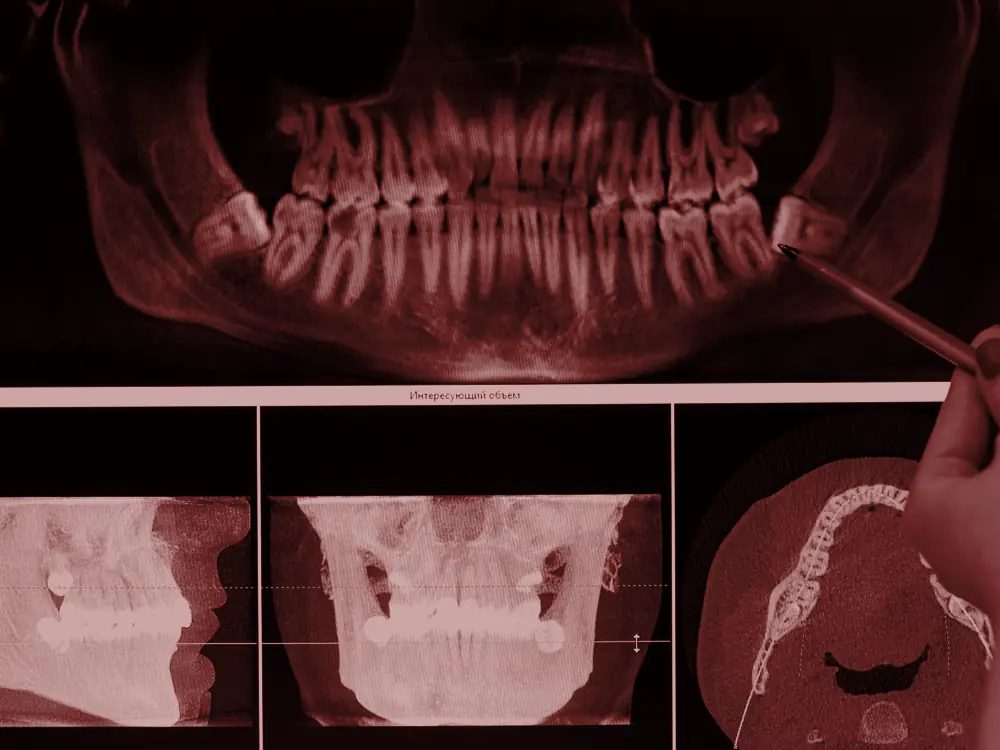
Your teeth are scanned, and the space each crooked tooth needs is planned tray by tray.
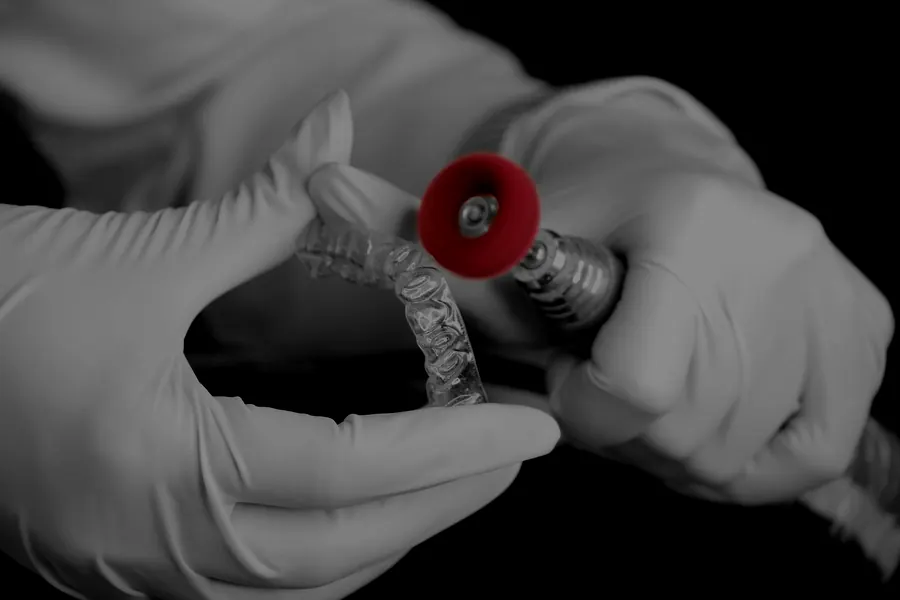
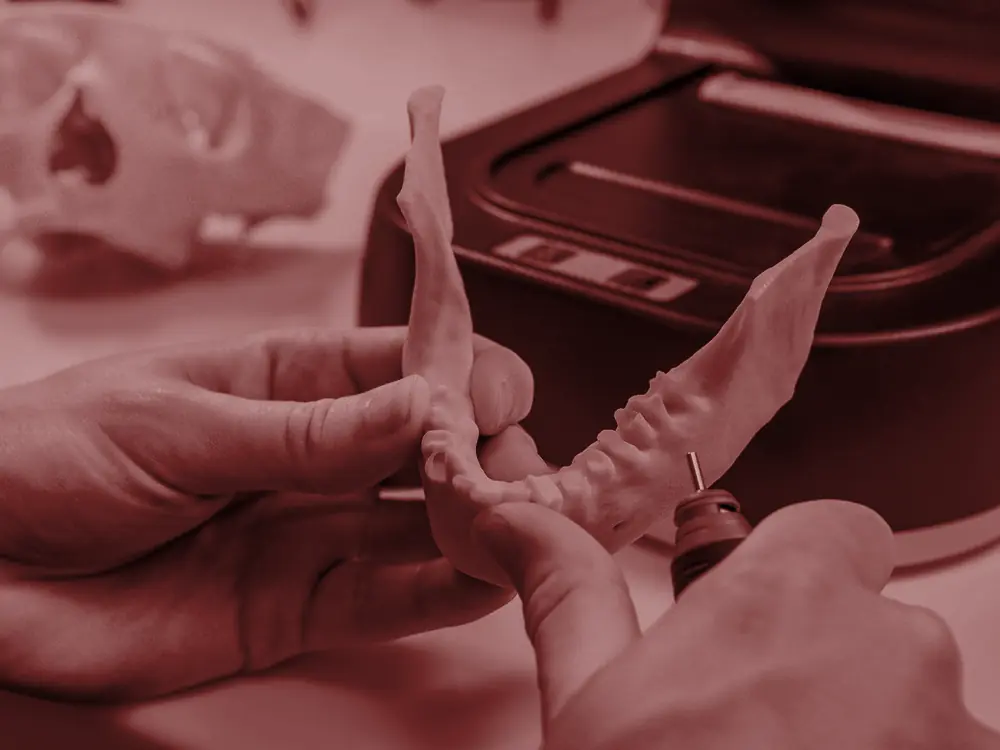
Your trays are printed and formed in our laboratory, numbered in the order you will wear them.

Attachments are placed if needed, and you wear each tray for about a week, 22 hours a day.

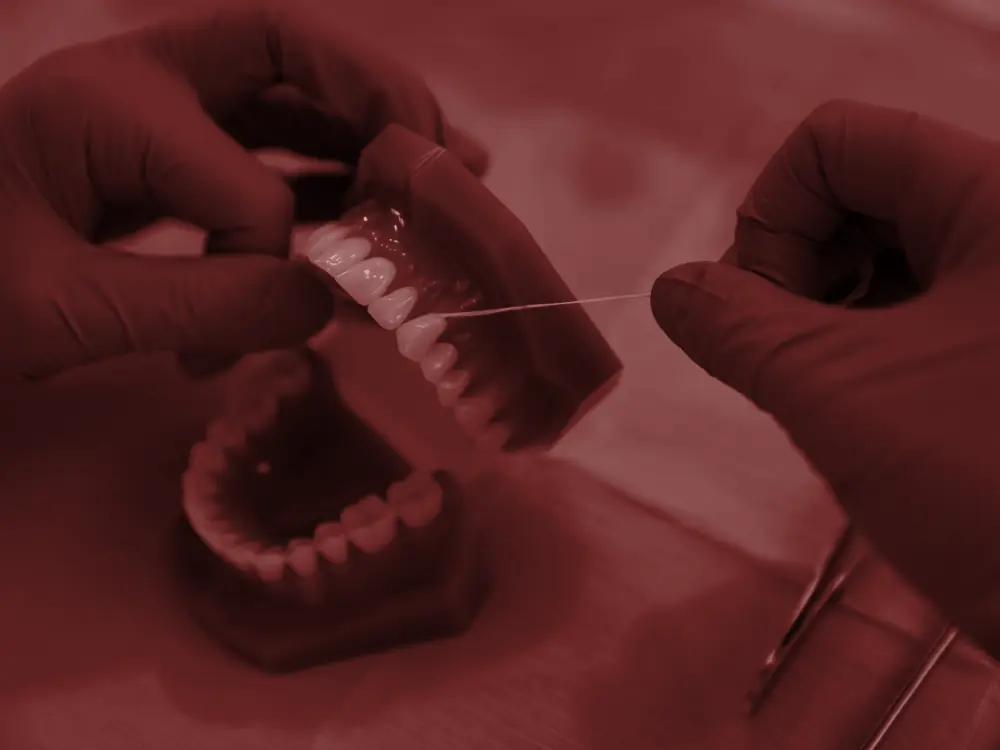
Progress is checked as you go, and retainers hold the straightened teeth at the end.
Cost
Fixing crooked teeth with our aligners costs PKR 2 to 5 lakh for a full course. Mild crowding or a single crooked tooth usually sits toward the lower end; moderate crowding with rotations across both arches sits higher, because more trays are needed.
You receive the exact figure in writing after your scan and plan, before anything is made. Our guide to the aligners price in Pakistan explains what moves a case up or down the range.
Honest limits
Braces are better than aligners for very severe crowding, for teeth buried in the gum that need pulling into place, and for large rotations of round teeth that aligners struggle to grip. They are also better for anyone who will not wear removable trays 22 hours a day.
We tell patients this at the examination rather than starting a plan that will struggle. Sometimes the answer is a combined plan, or treatment with an orthodontist in person. The NHS describes the same principle: the right appliance depends on an assessment of the teeth and bite (NHS on orthodontics).
For most crooked teeth, though, aligners are the more comfortable and discreet route. Our page on aligners vs braces compares the two problem by problem.
Living with crowding
Crooked teeth can cause hygiene, gum and wear problems over time, not only cosmetic ones. These are the issues crowding most often leads to if it is left alone.
Overlapping teeth create corners a toothbrush and floss cannot reach, so plaque builds up in the same places every day.
Plaque left along crowded teeth irritates the gums, which can bleed when you brush.
Tight, overlapping contacts are harder to clean and more likely to decay unnoticed.
Teeth that meet at odd angles can wear, chip or crack at the edges over the years.
Lower front crowding in particular tends to increase with age, so the case gets harder the longer it waits.
Many patients tell us they stopped smiling with their teeth in photographs long before they sought treatment.
Who it suits
Yes. Aligners straighten crooked teeth in teenagers once the adult teeth are through, and in adults of any age with healthy gums. The difference is not the teeth but the routine: aligners only work if they are worn about 22 hours a day.
Teenagers often like aligners because they are almost invisible at school. Adults often choose them because they do not show at work. For both, the gums are checked first, because teeth should only be moved through healthy gum and bone. Parents can read more in our guide to clear aligners for teens.
Families

Partly. The size of your teeth and the size and shape of your jaws are largely inherited, so crowding often runs in families. Habits, the timing of milk teeth falling out and natural drift with age add to what you inherit.
This is why parents with crowded teeth often notice the same pattern in their children, and why a child with crowding is worth having checked once the adult front teeth come through. Early checks do not always mean early treatment; they mean knowing what to watch for.
Inherited crowding responds to treatment just as well as any other kind. What it does mean is that retention matters: the same tendencies that crowded the teeth in the first place will try to crowd them again.
At home
No. There is no safe way to straighten crooked teeth naturally or at home without a clinically planned appliance. Pushing teeth with fingers, rubber bands or trays bought online can move teeth in the wrong direction, damage the gums and even loosen teeth.
Rubber bands placed around teeth to close gaps are a particular danger: they can slide under the gum and destroy the attachment that holds a tooth in place. Trays sold without an examination have no plan behind them, so nobody knows which way they will push.
What does work is a planned course of aligners or braces, made for your teeth after an examination. Our aligners are removable and made for you, but they are planned and checked by a clinician from start to finish, which is the difference that keeps the teeth and gums safe.
Alternatives
Veneers and bonding can disguise very mild crookedness, but they do not move teeth. They change the shape of the front surface, which can make slightly uneven teeth look straighter, often at the cost of removing healthy enamel.
For real crowding, straightening the teeth first is the better choice. Teeth moved into line with aligners keep all of their enamel, and if you still want veneers or bonding afterwards, much less work is needed to get a good result.
Many cosmetic dentists now suggest exactly this order: straighten first, then decide whether any cosmetic work is still needed. Often it is not.
Bite
Sometimes. Crowding can change how the upper and lower teeth meet, so some crooked teeth come with a bite problem such as a deep overbite or a crossbite on one or two teeth. A clinician checks the bite as well as the alignment before planning treatment.
When crooked teeth come with a bite problem, the plan straightens the teeth and corrects the bite together. That usually means planning both arches rather than just the one that looks crooked.
Where only the alignment is off and the bite is healthy, the plan can focus on the visible teeth. Your examination decides which applies, and the plan shows the finished bite before anything is made.
First visit
At your first appointment, a clinician examines your teeth, gums and bite, asks what bothers you about your smile, and tells you whether aligners suit your case. If they do, your teeth are scanned or impressions are taken so the plan can be prepared.
Bring any old orthodontic records or retainers if you have had treatment before; they show where the teeth were and help plan a relapse case quickly.
You will not be asked to commit to treatment at that visit. The next step is your digital plan and written price, and you decide after seeing both.
Hygiene
Keep crooked teeth clean during aligner treatment by brushing and flossing after every meal before the trays go back in, paying extra attention to the overlapping areas. Because aligners come out, you clean the teeth exactly as you would without them, which braces do not allow.
As the teeth straighten, cleaning gets easier. Corners that a brush could never reach open up, and many patients notice their gums bleed less as treatment goes on.
A water flosser helps reach between crowded teeth and around attachments quickly.
Children
Crooked teeth in children are usually treated once most adult teeth are through, typically in the early teens. Younger children with mostly milk teeth may need a check for jaw growth problems, which are treated differently and are best assessed by an orthodontist in person.
Mild crowding in young children often changes as the adult teeth come in, so it is usually watched rather than treated straight away. A check around the time the adult front teeth arrive tells you whether to wait or act.
For teenagers, aligners work well when they are worn consistently. Our parents' guide to aligners for teens covers what to watch for.
Finding treatment
You can get aligners for crooked teeth from Teeth Aligners in Islamabad, Rawalpindi, Lahore, Sargodha and Gilgit, with every tray made in our own laboratory in Pakistan. Overseas patients can often be treated remotely after an assessment.
Whoever you choose, look for three things: a clinician who examines your teeth and gums before anything is made, a digital plan you can see before you agree, and follow-up checks until the retainer phase. Those three separate real treatment from trays sold online.
Our clinicians include Dr Farwa Shahid (BDS, MPH, FCPS) in Lahore and Dr Ramsha Nawaz in Rawalpindi. You can read about them on our doctors page before you book.
Expectations
With aligners for crooked teeth, you can expect the crowded or rotated teeth to line up as shown in your digital plan, provided the trays are worn about 22 hours a day and the case suits aligners. The planned finish is shown before treatment starts, so expectations are set from the beginning.
Small differences between the plan and the result are normal and are corrected with refinement trays at the end. The most common one is a rotated tooth that lags slightly behind; a few extra trays usually finish it.
What aligners do not change is the shape or colour of the teeth themselves. If a tooth is chipped or darker than its neighbours, that is a separate cosmetic question, best answered after the teeth are straight.
Jaw comfort
Crowded teeth on their own rarely cause jaw pain. A bite that meets unevenly can strain the jaw joints and muscles in some people, but jaw pain has many causes, including grinding and stress, so it needs a proper assessment rather than an assumption.
If you have jaw pain, clicking or headaches, tell the clinician at your examination. Straightening the teeth can help when the bite is part of the problem, and it is important to know before treatment whether it is.
Upper and lower
Yes, a little. Upper crowding is usually the more visible, so it is often what brings people in, and the upper arch has a little more room to widen. Lower crowding is often less visible but more stubborn, and the lower front teeth are the most likely to crowd again after treatment.
Many plans treat both arches together, because straightening only one can leave the bite meeting unevenly. Where only one arch needs work and the bite is healthy, a single arch plan is possible and usually shorter.
Because the lower front teeth relapse so readily, retention for the lower arch is often planned with particular care, sometimes with a thin fixed wire behind the teeth as well as a removable retainer.
Keeping it straight
Aligners fix crooked teeth for good when retainers are worn afterwards. Teeth tend to drift back towards their old positions after any straightening, and rotated teeth are the most likely to turn back, so retainers are part of the treatment, not an extra.
After the last tray there is usually a retainer phase of about six months of regular wear, followed by night time wear to hold the result. Patients who keep wearing retainers keep straight teeth.
If teeth do drift later, a short course of aligners can usually bring them back, as our relapse cases show.
Questions
Yes. Clear aligners fix most crooked teeth, including mild to moderate crowding, overlapping front teeth, rotations and crowding that returned after braces. Severe crowding and buried teeth may need braces.
Sometimes. Severe crowding may need space made by IPR, gentle arch widening or, occasionally, removing a tooth. Some severe cases are treated more predictably with braces, which the examination tells you.
Yes, with attachments. Small tooth coloured bumps bonded to the tooth give the tray grip to turn it a little with each tray. Very round teeth can take longer and may need refinement trays.
Usually at least six months, followed by a retainer phase of about six months. Mild cases can finish sooner, and moderate crowding with rotations takes longer.
Often, yes. Many plans focus on the front teeth that show when you smile. The back teeth and bite are still checked, because moving the front teeth can change how the teeth meet.
Not always. IPR, the polishing of a thin layer of enamel between some teeth, is used when crowded teeth need a little extra space. It is planned in advance and is not painful.
Yes. Crowded lower front teeth are one of the most common aligner cases, including lower teeth that crowded again after braces. Retainers afterwards are especially important for the lower front teeth.
Not if you wear your retainers. Teeth tend to drift after any straightening, so the retainer phase of about six months is followed by night time wear to hold the result.
Not always, but crooked teeth trap plaque and can lead to gum problems and uneven wear. A check tells you whether your crowding is likely to cause problems or get worse.
For most mild to moderate crowding, clear aligners are the most discreet and comfortable option. For severe crowding or buried teeth, braces are often better. A clinical examination decides which suits you.
Yes. The trays first make a little space and then undo the overlap tray by tray. Overlapping front teeth are among the most visible improvements patients notice.
A full course of our aligners costs PKR 2 to 5 lakh. Mild crowding sits toward the lower end and moderate crowding with rotations across both arches sits higher.
Rarely with aligners. Most crowding is resolved with IPR or gentle arch widening. Removing a tooth is considered only when there is genuinely not enough space, and it is decided from your scan and x-ray.
Wisdom teeth are often blamed for crowding, but front teeth also crowd in people without wisdom teeth, because teeth drift with age. Your clinician will check your wisdom teeth as part of the examination.
Yes. There is no upper age limit as long as the gums and bone are healthy. Many adults straighten crowded teeth with aligners, often after their teeth have drifted over the years.
Attachments are tooth coloured and small, so they are hard to notice at speaking distance. They are placed only on the teeth that need extra grip and are polished off at the end.
Often in a short plan. How quickly depends on how far the tooth is turned and whether space is needed. Round teeth such as canines take longer to turn than flat front teeth.
No. Rubber bands placed around teeth at home can slip under the gum and destroy the tissue that holds a tooth in place. Crooked teeth should only be moved with a clinically planned appliance.
Not necessarily. For mild crowding, aligners are often quick; for severe crowding, braces may finish sooner. Wearing aligners 22 hours a day is what keeps them on schedule.
Straightening crooked teeth with aligners causes pressure for a day or two with each new tray, not sharp pain. The first tray is usually the most noticeable, and the feeling fades as the teeth move.
Sometimes, depending on how much movement is needed and how long you have. Tell us your date at the consultation, and we will tell you honestly what can be achieved by then.
Aligners move teeth, not bones, so the shape of your face does not change. Correcting crowded or protruding front teeth can change how the lips rest, which some people notice as a softer profile.
Crooked teeth are harder to clean, so plaque can stay in overlapping areas, which raises the risk of decay and gum inflammation. Straightening them makes daily cleaning more effective.
Not until the gum disease is treated. Moving teeth through inflamed gums can speed up bone loss, so the gums are treated first. Once they are healthy, aligner treatment can usually start.
Often, yes. Plans can focus on the teeth that need moving, though the clinician checks the whole arch and the bite so the teeth still meet evenly on both sides.
Often, yes. Teeth keep drifting slightly throughout life, and crowding of the lower front teeth in particular tends to increase with age, so a mild case usually becomes harder to treat the longer it waits.
Take the trays out for tea, coffee and anything other than plain water, then rinse or brush before putting them back. Hot drinks can warp the plastic and stain it.
Refinement trays are made near the end of treatment to finish any tooth that lagged behind. A new scan is taken and a short series of trays completes the movement.
Sometimes. Teeth often tip into the space left by a missing tooth. Aligners can upright them and either close a small space or open the right amount of room for a replacement tooth, depending on your plan.
No. As long as your gums and bone are healthy, teeth can be straightened at any age. Adults in their fifties and beyond are treated with aligners routinely, after a check of the gums.
Book a consultation. A clinician examines your teeth, gums and bite, scans your teeth and tells you honestly whether aligners suit your case before anything is made.
Keep reading
A clinician examines your teeth, scans them and tells you honestly whether aligners will straighten them, before anything is made.