
01
Consultation and scan
A clinician examines your teeth and bite, and we take a 3D scan or impressions. This decides whether aligners suit you at all.
Teeth Aligners / Aligners price in Pakistan
The aligners price in Pakistan at Teeth Aligners is PKR 2 lakh to 5 lakh for a full course of treatment. Where your case sits in that range depends on how far your teeth need to move, how many trays that takes and whether one or both arches are treated. Every tray is made in our own laboratory in Pakistan, so the figure carries no import margin.
The short answer
2 to 5 lakhPKR, full course of clear alignersTeeth aligners cost PKR 2 lakh to 5 lakh in Pakistan for a full course with us. Mild crowding or a small gap sits toward the lower end; a bite correction across both arches with more trays sits toward the top. You receive the exact figure for your teeth after your scan and treatment plan, before you commit to anything.
That range covers the treatment itself: the scan or impressions, the digital plan, every tray made in our lab, and the follow-up that keeps the plan on track. The rest of this page explains what moves a case up or down the range, what you are paying for at each step, and how to compare our price fairly with braces and imported brands.
How we do it
We set your aligners price after an in person assessment, once a clinician has planned your case and the tray count is known. That is why we publish a range of PKR 2 to 5 lakh and give an exact figure only for your own teeth.
Why Teeth Aligners
Teeth Aligners is good value because the price is lower without cutting the parts that matter: a clinician approved plan, USA imported sheet, hand finished trays, and refinements and retainers from the same team.
Other clinics buy aligners from us; you buy direct, without a middleman's margin.
The clear sheet we thermoform is imported from the United States, and we do not substitute it.
A clinician signs off your movement plan before any tray is made.
Extra trays for a lagging tooth come from our laboratory in Pakistan.
The results on this page come from our own patients.
Consultations across Pakistan and remote treatment for patients overseas.
Book a free consultation to turn the aligners price in Pakistan into an exact figure for your teeth.
What moves the price
Five things decide where your aligners price lands: how complex the movement is, how many trays the plan needs, whether one or both arches are treated, whether attachments and reshaping are needed, and how many refinement trays the case uses at the end. The brand, the city and the clinic's rent should not be among them.
Closing a small gap or straightening a few crowded front teeth is the simplest work an aligner does. Rotated teeth, a deep overbite, a crossbite or an open bite involve more movement and more control, so they take longer and sit higher in the range. Bite problems are also the cases we assess most carefully before promising anything, because some need more than aligners.
Each tray moves the teeth a fraction of a millimetre and is worn for about a week, at least 22 hours a day. A short plan might need a few months of trays; a full correction needs many more. The number of trays is the single biggest driver of the cost, because every one is planned, printed, formed and finished individually.
Some patients only need the upper or the lower teeth corrected. Treating one arch costs less than treating both, but if correcting one would make the bite meet badly, we plan both and tell you why.
Small tooth coloured bumps called attachments are bonded to some teeth so the tray has something to grip. Where teeth are tightly crowded, a little enamel is polished from between them to make room, a step called IPR (interproximal reduction). Both are part of the plan when your case needs them, not extras added later.
Teeth do not always track the plan exactly. Refinement trays at the end fine tune the result. Ask any provider how refinements are handled before you compare prices, because that is where quotes that looked similar start to differ.
Case by case
Spacing and mild crowding usually sit toward the lower end of the range, and bite problems toward the top. This is the guide we give at consultations; your written plan replaces it with the exact figure for your teeth.
| Your case | Where it usually sits | Why | What to expect |
|---|---|---|---|
| Small gap between the front teeth | Lower end | Few teeth move a short distance | Often one arch; a retainer holds the closure |
| Mild crowding of the front teeth | Lower to middle | Short plan, limited movement | IPR sometimes needed to make room |
| Teeth that moved back after old braces | Lower to middle | Usually a short correction | Retainers afterwards are essential |
| Moderate crowding with rotations | Middle | More trays, attachments for grip | Attachments bonded to some teeth |
| Overbite or deep bite | Middle to upper | Bite correction across both arches | Clinical assessment before any promise |
| Crossbite | Upper | Upper and lower relationship must change | Assessed in person; some need more than aligners |
| Open bite | Upper | The cause, often a habit or jaw shape, matters | Cause identified before treatment starts |
If your case falls between two rows, the number of trays in your plan decides it. We show you that number on the plan before you agree to anything, so the price is never a surprise.
Where the money goes
The price of aligners pays for clinical time and laboratory work, in that order. These are the five stages every case goes through with us, and each one is part of the figure in your written plan.
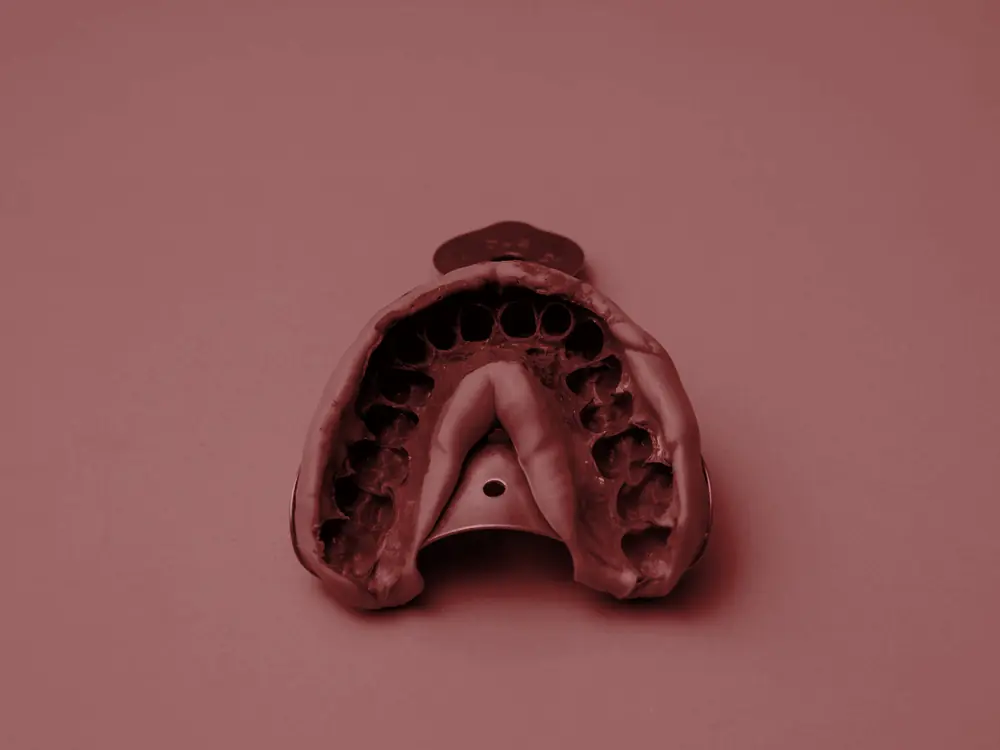
A clinician examines your teeth and bite, and we take a 3D scan or impressions. This decides whether aligners suit you at all.

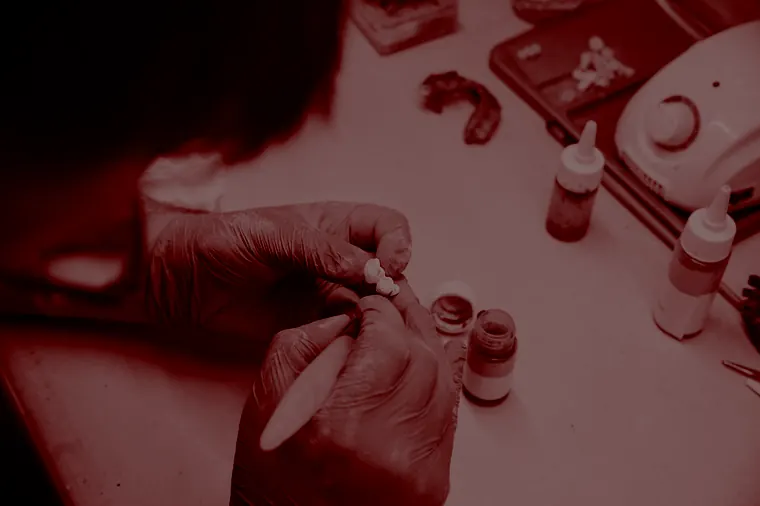
Your teeth are moved in software, tray by tray, so you can see the planned result and the number of trays before anything is made.
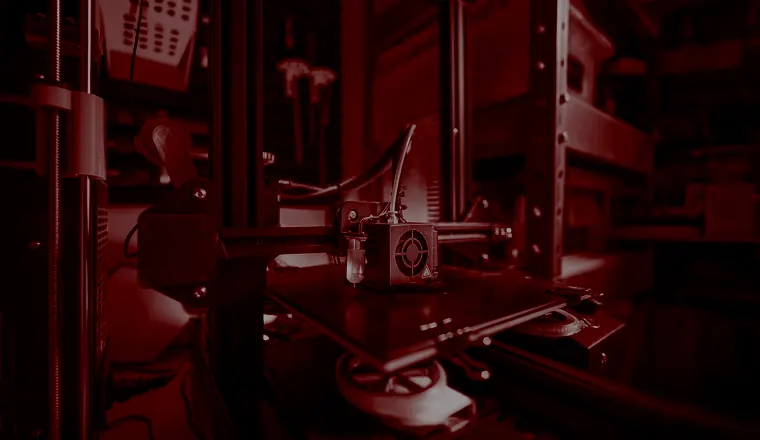
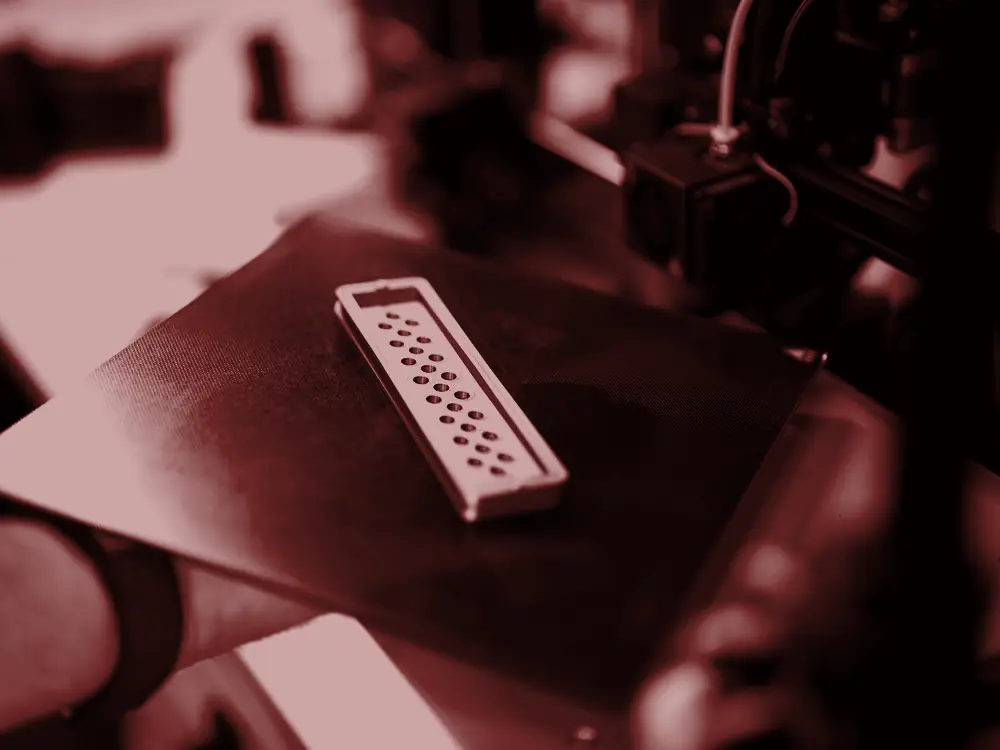
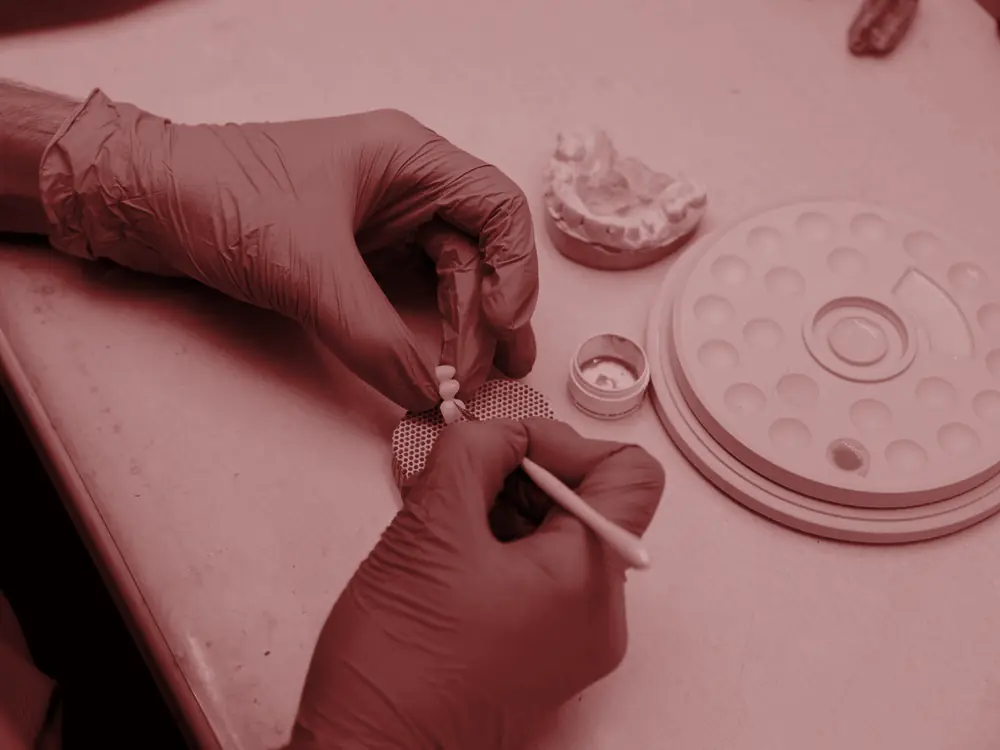
Each stage of the plan is 3D printed as a model of your teeth. One model per tray, made in Pakistan.
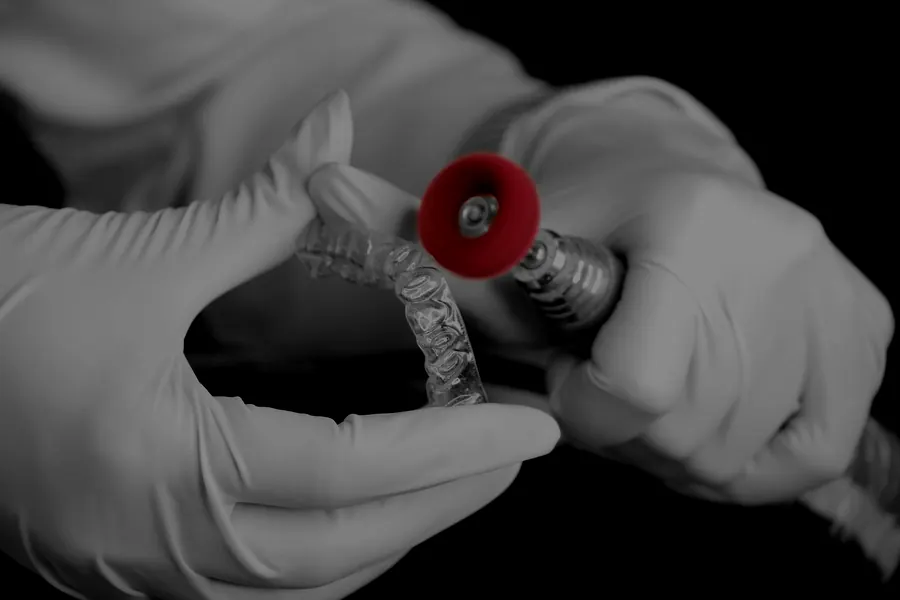
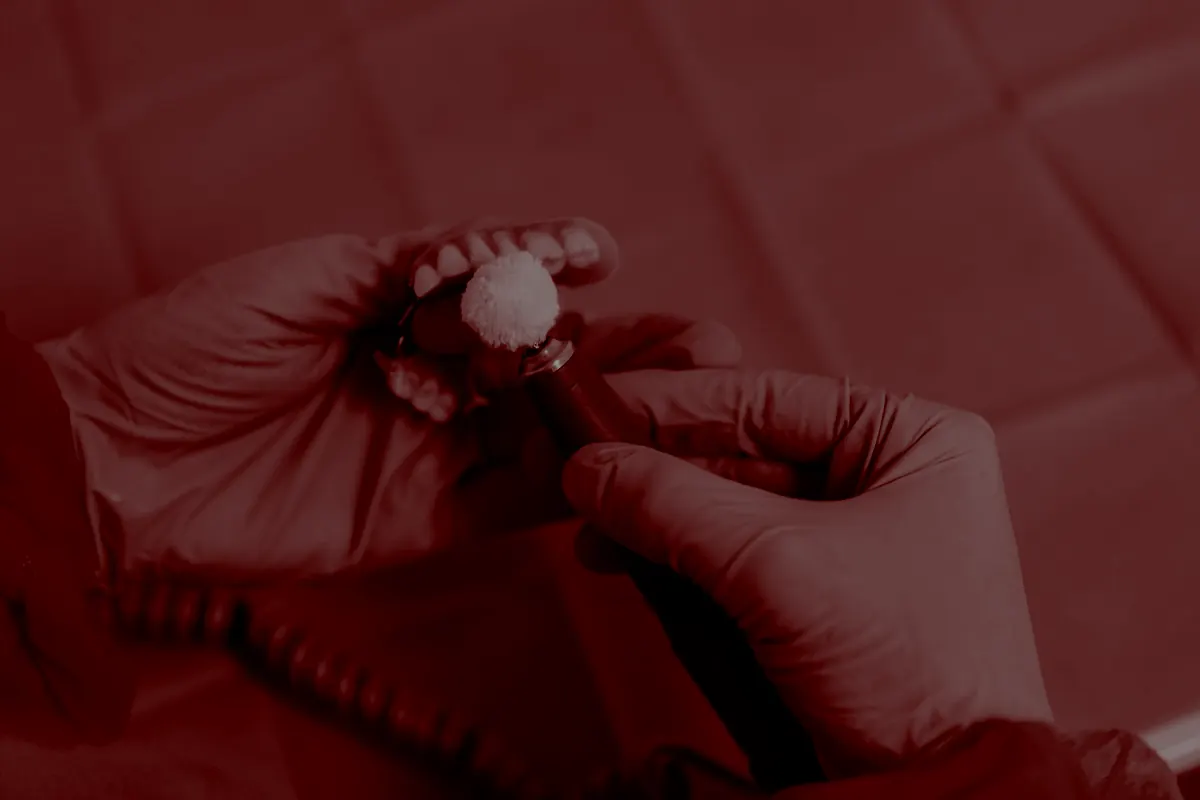
Clear sheet material, imported from the USA, is formed over each model, trimmed and polished by hand.

Patients in Pakistan attend in person; overseas patients send a clear photo about twelve days into each new tray.
Side by side
Our aligners cost PKR 2 to 5 lakh; metal braces usually cost less upfront and imported aligner brands are usually quoted higher. The table compares what each option involves, so the price difference makes sense rather than looking like a guess.
| Teeth Aligners (made in Pakistan) | Imported aligner brands | Metal braces | Ceramic braces | |
|---|---|---|---|---|
| Price in Pakistan | PKR 2 to 5 lakh, full course | Usually quoted higher; trays are made abroad | Usually the lowest upfront | Usually above metal braces |
| Visible when you smile | Almost invisible | Almost invisible | Yes | Less than metal |
| Removable to eat and brush | Yes | Yes | No | No |
| Food rules | None while trays are out | None while trays are out | Avoid hard and sticky food | Avoid hard and sticky food |
| Depends on you | 22 hours of wear a day | 22 hours of wear a day | Elastics and cleaning | Elastics and cleaning |
| Where trays are made | Our lab in Pakistan | Outside Pakistan | Not applicable | Not applicable |
Braces remain the better choice for some complex bites, and a good clinician will say so. If you are weighing the two, our guide to the best aligners in Pakistan compares brands on more than price.
Imported brands
The Invisalign price in Pakistan is usually quoted above locally made aligners, because Invisalign trays are manufactured abroad and the quote has to cover international production, shipping and exchange rates. Clinics set their own Invisalign fees, so ask for a written total for your case, with the number of trays and refinements named.
Invisalign is a brand name, not a different treatment. Clear aligners of every brand work the same way: a planned series of trays, each moving the teeth a little, worn about 22 hours a day. The American Association of Orthodontists describes aligners in exactly those general terms (AAO on aligners).
What genuinely differs between brands is the planning, the material, the fit of the trays and the follow-up. Our trays are formed from material imported from the USA and finished by hand in our own laboratory, which is why we can price a full course at PKR 2 to 5 lakh without cutting the clinical steps that make aligners work.
If you already have an Invisalign quote, bring it to your consultation. We will tell you honestly how our plan for your teeth compares, including when a case is better suited to treatment elsewhere.
Made here, not imported
Aligners made in Pakistan cost less than imported brands because nothing has to be manufactured abroad, shipped and converted from dollars. The clinical steps and the material are the same in principle; what disappears is the import margin and the wait for trays to arrive.
Making every tray in our own laboratory also means a refinement or a replacement tray is made here in days, not ordered from another country.
Same treatment, other names
Yes. Invisible braces, transparent braces and clear braces are everyday names for clear aligners, so the invisible braces price in Pakistan with us is the same PKR 2 to 5 lakh. There are no wires or brackets; the treatment is a series of clear removable trays.
The names cause real confusion. Some people searching for transparent braces expect ceramic braces, which are fixed brackets in a tooth coloured material. Ceramic braces are a different treatment with different rules: they stay on until the end, need regular adjustment of the wire, and come with the same food restrictions as metal braces.
If you are not sure which one you have been quoted for, ask whether the appliance comes out to eat. If it does, it is an aligner, and the comparison on this page applies to it.
Before you buy cheap
No. A tray sold online without an examination, a scan and a treatment plan is not orthodontic treatment, however it is labelled. Real aligners are made for your teeth from your own scan, in a sequence planned by a clinician, and checked as your teeth move.
Several online listings rank for aligner price searches in Pakistan, and many of them sell one size trainers, retainers or whitening trays under the word aligner. None of these can move a specific tooth by a planned amount, and teeth moved without checking the gums and roots first can be harmed. The NHS is clear that orthodontic treatment starts with an assessment of the teeth and bite (NHS on orthodontics).
A provider that cannot answer all six in writing is selling a product, not a treatment.
Read the small print
Ask about six things before agreeing to any aligner price: x-rays, refinements, replacement trays, retainers, attachment removal and follow-up visits. These are where quotes that looked similar end up very different.
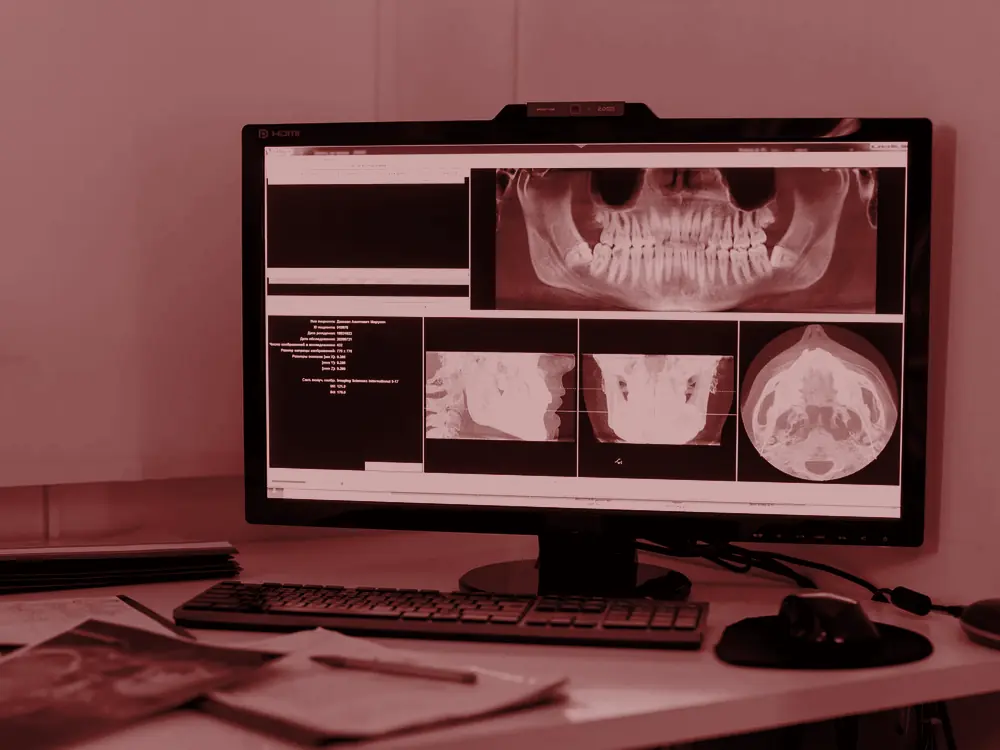
Some cases need an OPG x-ray to check the roots and bone before teeth are moved. Ask whether it is needed for you and how it is charged.
Most plans finish with a few trays that fine tune the result. Ask how many are expected and how they are handled.
Trays get lost, especially in the first weeks. Ask how a replacement is made and how quickly. Ours come from our own lab.
Every case needs retainers afterwards. Ask what the retainer phase involves and whether it is part of the total.
At the end, attachments are polished off and the teeth cleaned. Ask whether that final appointment is included.
Progress checks keep the plan on track. Ask how often they happen and whether remote check-ins are possible.
Cheap now, costly later
The cheapest plan costs more when it leaves out the steps that make aligners work: a proper scan, a clinician's plan, follow-up and retainers. When those are missing, teeth either do not reach the planned position or drift back, and the treatment has to be done again.
We see three patterns. The first is a tray series made without a clinical plan, where teeth move but the bite ends up wrong. The second is treatment with no follow-up, where a tray stops fitting and nobody notices for weeks. The third is a finished case with no retainer, where crowding returns within months.
Each of these ends in the same place: paying again, usually for a longer and more complex correction than the original. That is why our plans are priced for the full course, with follow-up and the retainer phase considered from the start, rather than for the trays alone.
Spreading the cost
Spread over a typical twelve month course, PKR 2 lakh works out to about 16,700 rupees a month and PKR 5 lakh to about 41,700 rupees a month. A shorter case costs less in total, so the monthly figure is only a way to compare, not a payment plan.
This is the honest way to read any monthly offer you see: divide the total by the real number of months, and check the total is written down. A low monthly figure with no end date can add up to more than a higher figure with a fixed course length.
Ask us how payment for your course is arranged when you receive your written plan. The total, the number of trays and the expected treatment time will all be on it.
Real cases
These are real patients treated with our aligners. Simpler cases such as spacing sit toward the lower end of the range; bite corrections such as crossbite and open bite sit toward the top.
 After

 After

 After

 After

 After

 After

What arrives
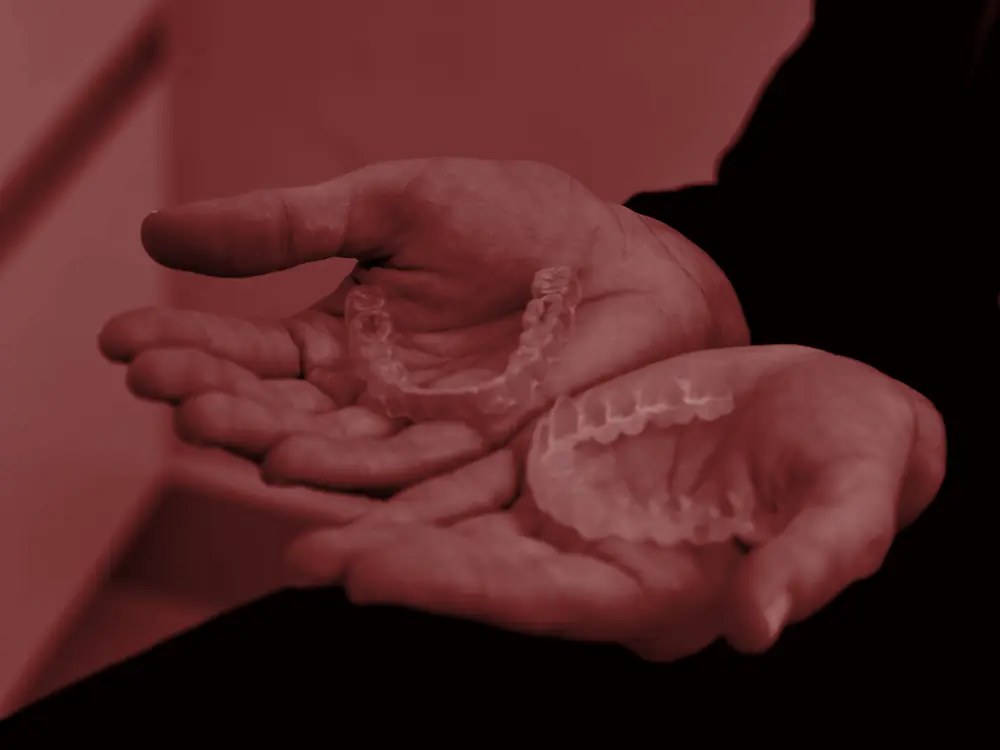
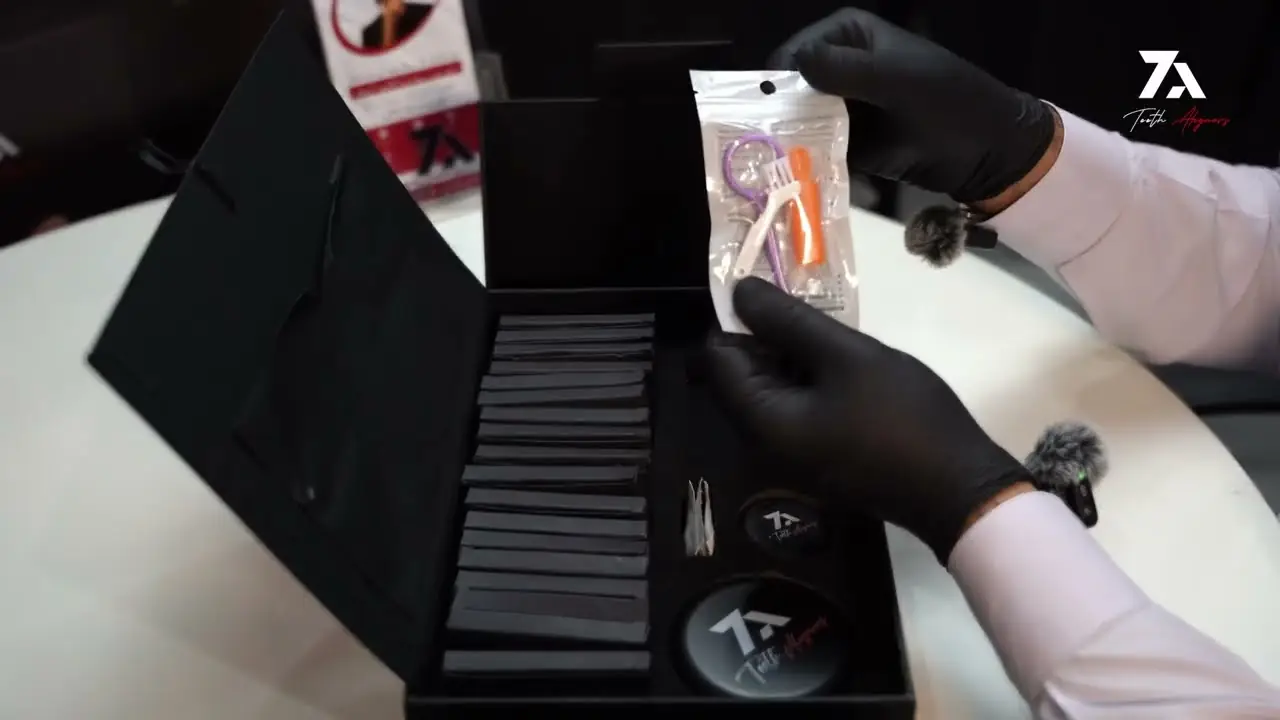
You receive a planned series of custom trays made for your teeth, delivered in stages, with the case and accessories you need to wear them properly. Our unboxing video shows exactly what arrives.
Accessories such as aligner chewies help each new tray seat fully, and a water flosser makes cleaning around attachments easier. Neither is a substitute for wearing the trays 22 hours a day.
Is it worth it
Aligners are worth the price when your case suits them and you will wear them 22 hours a day; they are not worth it if you will not. That is the honest test, and it matters more than any discount.
The trays come out to eat, so there are no food rules, and they are almost invisible at work, at weddings and in photographs.
You brush and floss as normal with the trays out, so the gum and enamel problems braces can cause around brackets are far less likely.
The digital plan shows the expected result and the number of trays before treatment starts.
Trays left in a drawer move nothing. If 22 hours a day is not realistic for you, fixed braces will finish faster.
Skeletal bite problems may need an orthodontist in person or surgery. We assess these carefully before we quote.
Every straightened smile needs a retainer afterwards, or teeth drift back. Budget for it from the start.
Who plans your case
A clinician plans your treatment and your price comes from that plan, not from a sales desk. Our doctors examine your teeth and bite, approve the digital plan tray by tray, and follow your progress until the retainer phase.
In Lahore, Dr Farwa Shahid (BDS, MPH, FCPS) sees patients for aligner treatment; in Rawalpindi, patients see Dr Ramsha Nawaz. You can read about both on our doctors page. The laboratory team then makes your trays to the plan the clinician approved, which is why the two always work from the same case file.
This matters for the price because it matters for honesty. A clinician who will see you at every follow-up has no reason to sell you a shorter plan than your teeth need, or a longer one.
Living abroad
Yes, for many cases. Overseas patients are assessed from clear photos and a scan or impressions, their trays are made in our laboratory in Pakistan, and progress is checked by photo about twelve days into each new tray.
Remote treatment suits spacing, crowding and mild rotations best. Bite problems such as crossbite or open bite usually need to be seen in person at least once, so we may ask you to plan your first appointment around a visit home.
Send us clear photos of your teeth on WhatsApp, smiling and biting together, and we will tell you whether a remote plan is realistic before you spend anything.
Get it in writing
A written aligners quote should name the total for the full course, the number of trays, whether one or both arches are treated, and how follow-up, refinements and the retainer phase are handled. If any of these is missing, the figure cannot be compared with another quote.
Comparing the aligners price in Pakistan between providers only works when the quotes describe the same treatment. One clinic's quote for twelve trays on the upper arch and another's for thirty trays on both arches are not the same thing, even if the totals look close.
Your written plan from us includes the total and the number of trays, and we explain the rest at the consultation, so you leave knowing exactly what the figure covers.
Price and quality
Not necessarily; it depends on why the price is lower. A lower aligners price in Pakistan that comes from making trays locally instead of importing them is a saving you can trust. A lower price that comes from skipping the examination, the clinical plan or the follow-up is not a saving at all.
The way to tell the difference is to ask what is left out. Our price is lower than imported brands because nothing is manufactured abroad, while every clinical step stays in: the examination, the scan, the clinician approved plan, the hand finished trays and the follow-up.
Quality in aligners shows up as fit. A tray that fits well grips each tooth evenly and moves it as planned. That comes from an accurate scan, a careful plan and precise finishing in the laboratory, none of which depends on where the factory is.
More is not better
No. A better result comes from the right plan for your teeth, not from more trays or a higher price. A plan with more trays than your case needs costs more and takes longer without improving the outcome.
The number of trays should follow from the movement your teeth need, which the clinician measures on your scan. When two plans for the same mouth differ by a large number of trays, ask each provider to show you the planned movement on screen. The plan that explains every tray is the one to trust.
The same applies to extras. Whitening, premium cases and accessories can be pleasant, but they do not straighten teeth. Put your money into the treatment plan, the follow-up and the retainer, because those decide whether your smile stays straight.
If you are comparing two plans and one costs far more, the extra should be explained by something you can see on the plan: more teeth moved, both arches instead of one, or a bite correction the cheaper plan leaves out. If it is not on the plan, it should not be on the bill.
Your exact figure
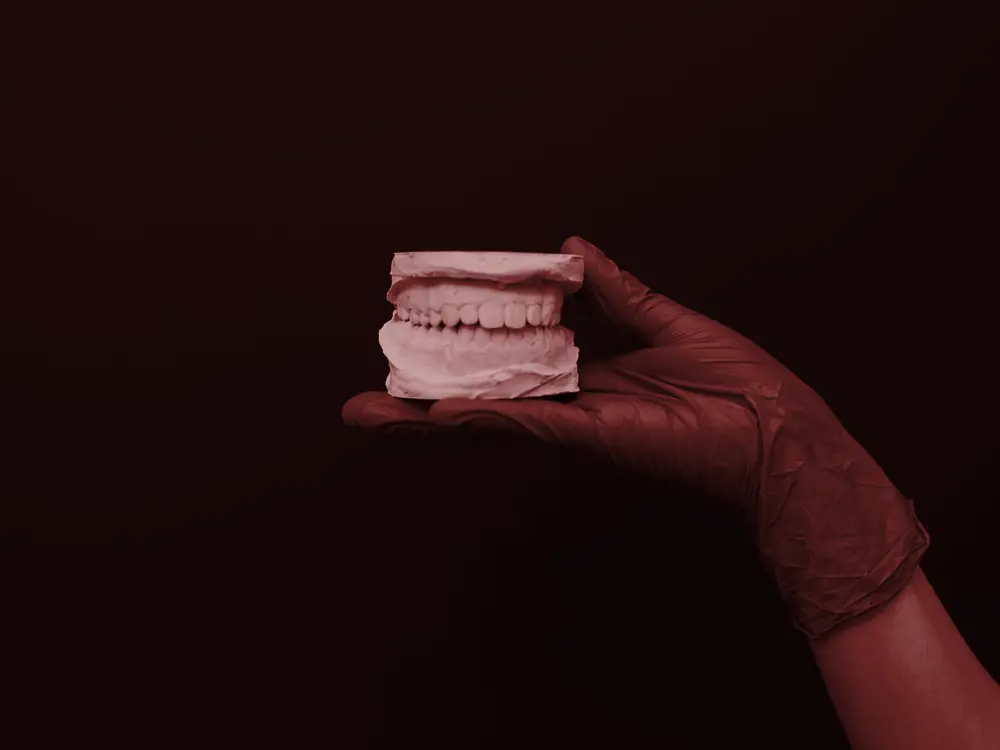
Book a consultation. A clinician examines your teeth and bite, we take a scan or impressions, and you receive a written plan with the number of trays, the expected treatment time and the total cost within the PKR 2 to 5 lakh range.
Consultations take place in Islamabad, Rawalpindi, Lahore, Sargodha and Gilgit. If you live abroad, send us clear photos of your teeth on WhatsApp first and we will tell you whether a remote plan is possible.
Bring any previous quotes with you. We would rather explain a difference than have you guess at it, and if your case is better treated with braces or by an orthodontist in person, we will say so before you spend anything. You can read about our doctors before you come.
Questions
Aligners cost PKR 2 lakh to 5 lakh in Pakistan for a full course with Teeth Aligners. Simple cases such as a small gap sit toward the lower end; bite corrections across both arches sit toward the top. Your exact figure comes after a scan and a treatment plan.
Teeth aligners for mild crowding usually sit toward the lower end of our PKR 2 to 5 lakh range, because fewer trays are needed. The exact figure depends on how many teeth are involved and whether one or both arches are treated.
Aligner prices vary because providers include different things. Some quote only the trays; others include the scan, the plan, attachments, follow-up, refinements and the retainer phase. Compare the written total for the full course, not a starting figure.
Usually, yes. Invisalign trays are manufactured abroad, so clinics price in international production, shipping and exchange rates. The treatment principle is the same for every aligner brand: a planned series of trays worn about 22 hours a day.
Yes. Invisible braces, transparent braces and clear braces are common names for clear aligners, so the price with us is the same PKR 2 to 5 lakh. Ceramic braces are different: they are fixed, tooth coloured brackets with a wire.
Metal braces usually cost less upfront than aligners. Aligners cost more because every tray is custom made, but they are removable, almost invisible and come without food restrictions. For some complex bites, braces are the better clinical choice regardless of price.
Every straightened smile needs a retainer phase, usually about six months of active retention after treatment and nightly wear afterwards. Ask for the retainer phase to be written into your plan so you know exactly what your total covers.
Trays sold without an examination, a scan of your own teeth and a clinician's plan are not orthodontic treatment. They cannot move specific teeth by a planned amount, and moving teeth without checking the gums and roots first can cause harm.
Most courses run at least six months, with a new tray about every week, followed by a retainer phase. Longer and more complex plans need more trays, which is why they sit higher in the range.
Ask us when you receive your written plan. The total, the number of trays and the expected treatment time are all on it, so you can see exactly what you are agreeing to before anything is made.
Refinements are the trays that fine tune the result at the end. Ask any provider how refinements are handled before you compare prices, because that is where similar looking quotes start to differ.
Overseas patients can be treated remotely once a clinician has assessed photos and a scan or impressions. Send clear photos on WhatsApp and we will tell you whether a remote plan suits your case and what it involves.
Your price is set by your treatment plan, which depends on your teeth. Consultations take place in Islamabad, Rawalpindi, Lahore, Sargodha and Gilgit, and the plan is made in the same laboratory whichever city you visit.
Aligners made in Pakistan carry no import margin. Our trays are planned, printed and finished in our own laboratory, so the price does not include manufacturing abroad, shipping or currency conversion, and refinements are made here in days.
A clinician examines your teeth and bite and explains whether aligners suit your case. With a scan or impressions, we can then prepare your treatment plan and a written price within the PKR 2 to 5 lakh range.
Most health insurance plans in Pakistan do not cover orthodontic treatment for appearance, but policies differ. Check your own policy, and ask us for an itemised written plan if your insurer or employer asks for one.
Tell us straight away and wear your previous tray until a replacement is ready, so your teeth do not drift. Because every tray is made in our own laboratory, a replacement can be made from your existing plan.
Many patients notice a change within the first month or two of trays, especially with gaps and mild crowding. Bite corrections take longer to show, because the teeth have to move in a planned order.
Attachments are part of your plan when your case needs them, because some movements are not possible without them. Ask for your written plan to show whether your case uses attachments and IPR.
Yes, booking a consultation appointment is free through our appointment page. The clinician examines your teeth, explains whether aligners suit your case and what the next step is before any cost is agreed.
Sometimes. Treating one arch costs less, and it suits cases where only one arch needs correcting. If treating one arch alone would leave your bite meeting badly, we plan both and explain why.
Yes, and many patients do it near the end of treatment, when the teeth are straight. Whitening does not move teeth, so it is a separate choice from your aligner plan and does not change how many trays you need.
We will tell you before you spend anything. Some skeletal bite problems need an orthodontist in person or a combination of treatments, and saying so honestly matters more to us than starting a case that will not succeed.
Keep reading
A clinician looks at your teeth, we plan your trays, and you receive the total for your full course before anything is made.