

01
Examination
A clinician checks the gap, the gums, the frenum and the bite, and finds the cause.

Teeth Aligners / Aligners for gaps between teeth
Aligners for gaps between teeth close spacing by walking the teeth towards each other with a planned series of clear trays. A gap between the front teeth is one of the simplest and most satisfying cases aligners treat, often in a short plan. Here is what causes gaps, how aligners close them and, just as important, how they stay closed.
The short answer
Yes, often quicklyGaps and spacing are core aligner casesYes. Clear aligners close most gaps between teeth, including a gap between the two front teeth and general spacing across the arch. Small gaps are often closed in a short plan. Large gaps, or gaps left by missing teeth, may need a plan that also replaces a tooth.
The trays move the teeth towards each other in sequence, then the last trays hold the closed spacing while the bone settles. A retainer keeps the gap closed afterwards, which matters more for gaps than for almost any other case.
How we do it
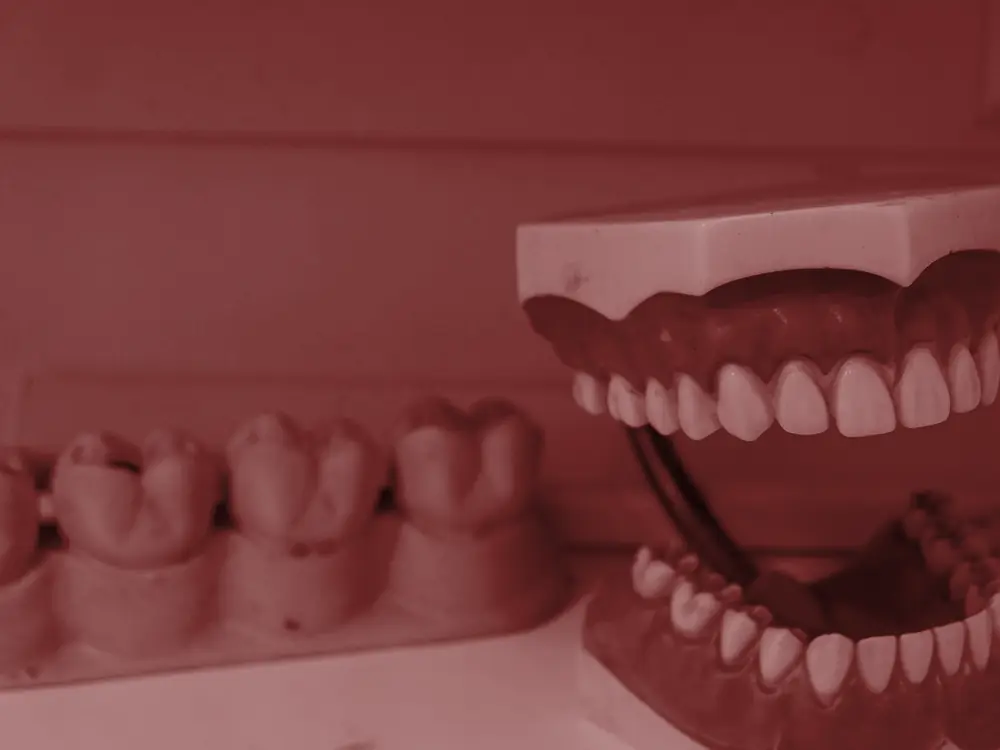
We close gaps between teeth by first finding out why the gap is there, then planning how the space is shared out and closed, and finally holding the result with a retainer chosen for your gap. A clinician approves the plan before our laboratory makes your trays.
Why Teeth Aligners
Choose Teeth Aligners to close your gap because we plan around the reason the gap exists, make every tray in our own laboratory, and take responsibility for the retainer that stops it coming back.
A gap from a frenum, a missing tooth or gum disease needs its own plan, so we look before we plan.
Printed models and hand finished trays from our laboratory, at PKR 2 to 5 lakh for a full course.
Simple spacing is one of the most predictable aligner movements, and many plans are short.
Your retainer is part of the plan from day one, not an afterthought at the last tray.
The spacing result on this page is one of our patients, treated with our trays.
Consultations in Islamabad, Rawalpindi, Lahore, Sargodha and Gilgit, or remotely from overseas.
Book a free consultation to find out whether aligners for gaps between teeth suit your smile and how long closing your gap would take.
Why gaps appear
Gaps between teeth are most often caused by teeth that are small for the size of the jaw, a missing or undersized tooth, or a thick band of gum tissue between the front teeth. Gum disease, tongue habits and thumb sucking can also open spaces, and gaps that appear in adulthood always deserve a gum check.
When the teeth are slightly small for the arch, spaces are left between them. This is often inherited and usually affects several teeth.
A missing tooth, or a narrow upper side tooth sometimes called a peg lateral, leaves extra room that the neighbouring teeth spread into.
A band of tissue, the frenum, connects the upper lip to the gum above the front teeth. If it is thick or attaches low, it can hold the front teeth apart.
Thumb sucking and a tongue that pushes against the front teeth when swallowing can tip the front teeth forward and open spaces.
When gum disease destroys the bone supporting the teeth, teeth can drift and fan out, opening new gaps in adulthood. The NHS lists loose or moving teeth among the signs of advanced gum disease (NHS on gum disease). These gaps need the gums treated first, before any straightening.
Why close it
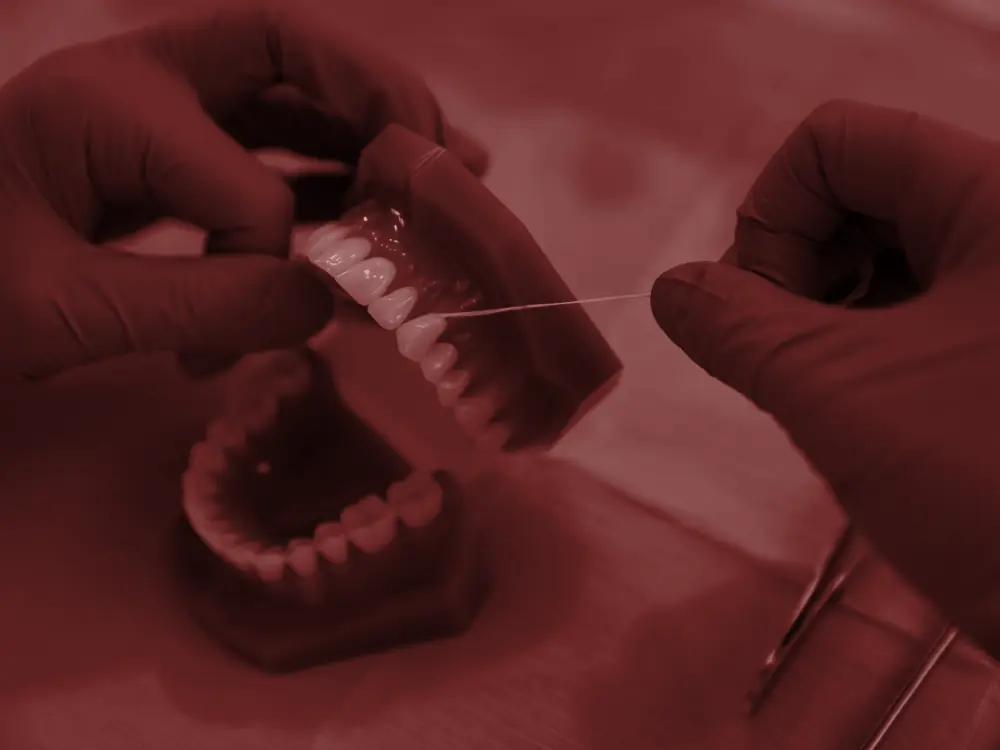
Closing a gap is a personal choice when it is purely cosmetic, and a good idea when it traps food, affects speech or has appeared recently. Some people like the gap in their smile and keep it; others want it gone, and both are reasonable.
Gaps can trap food, especially fibrous food such as meat, which presses into the gum and irritates it. Our short video on gaps that make eating difficult shows exactly this. Some people also notice a slight whistle on certain sounds with a front gap.
A gap that has appeared or widened in adulthood is different. It can be a sign of gum disease or a bite problem, so it should be checked before any decision about closing it.
Watch
Yes, gaps can cause problems with eating, because food packs into the spaces and presses against the gum. Over time this can make the gum sore and inflamed. Our video explains why it happens and how closing the gap helps.
Food trapping is one of the most common reasons patients give for wanting a gap closed, alongside how the gap looks in photographs.

Case by case
Aligners close most gaps well; large gaps from missing teeth and gaps caused by active gum disease need extra steps. This is how each kind usually responds.
| Kind of gap | Aligners | What it involves |
|---|---|---|
| Gap between the two front teeth | Excellent | Often a short plan, then a retainer |
| General spacing across the arch | Excellent | All the spaces closed in sequence |
| Gap from a small or narrow tooth | Good | Space closed or redistributed, sometimes bonding afterwards |
| Gap from a thick frenum | Good, sometimes with a minor procedure | Frenum assessed, gap closed, retention planned |
| Gap from a missing tooth | Depends | Close if small, or open the right space for a replacement tooth |
| Gaps from gum disease | After gum treatment | Gums treated and stable first |
| Gaps from tongue habits | Good, with habit awareness | Retention especially important |
Your examination tells you which applies. A gap that opened recently, or teeth that feel loose, always need the gums checked before treatment.
How it works
Aligners close a front gap by moving the front teeth towards each other a small, planned distance with each tray. Where the teeth also need to tip or turn slightly to meet neatly, the plan includes that, and small attachments may be added for grip.
Closing a front gap is not always just pushing two teeth together. Sometimes the neighbouring teeth need to move too, so the spacing does not simply shift further back. The digital plan shows every tooth's movement before treatment starts.
The final trays hold the closed position for a while, because the gum fibres around the teeth take time to adapt. That holding stage is part of why retention is planned so carefully for gap cases. Our guide to how teeth aligners work explains each stage of treatment.
A real case
A gap between the front teeth before and after aligners looks like this real case from our patients: a clear front space, closed with a series of trays and held with a retainer.
 After

Treatment time

Closing a single small gap with aligners can take a few months; closing spacing across the whole arch, or a gap that also needs the bite adjusted, takes longer. Most plans run at least six months in total, followed by a retainer phase of about six months.
Small front gaps are often among the quickest aligner cases, because only a few teeth move a short distance. The number of trays in your plan, shown before you start, is the best guide to how long yours will take.
Many patients see a front gap visibly narrowing within the first month or two of trays.

Keeping it closed
A closed gap can reopen if retainers are not worn, and gaps are among the cases most likely to do so. Wearing your retainers as advised is what keeps the gap closed for the long term.
For a front gap, the clinician may recommend a thin wire bonded behind the front teeth as well as a removable retainer, because the fibres around those teeth tend to pull them apart again.
Missing teeth
Sometimes. A small gap left by a missing tooth can occasionally be closed by moving the neighbouring teeth into it. A larger gap usually cannot be closed fully without affecting the bite, so the plan instead moves the teeth to leave the right amount of space for a replacement tooth.
Teeth next to a long standing gap often tip into it. Aligners can upright them, which gives a dentist a straight, even space for an implant or a bridge. Done in that order, the replacement tooth looks and works better.
If you have a missing tooth, tell us at the assessment and bring any x-rays you have. The plan depends on how long the tooth has been missing and how the teeth around it have moved.
The frenum
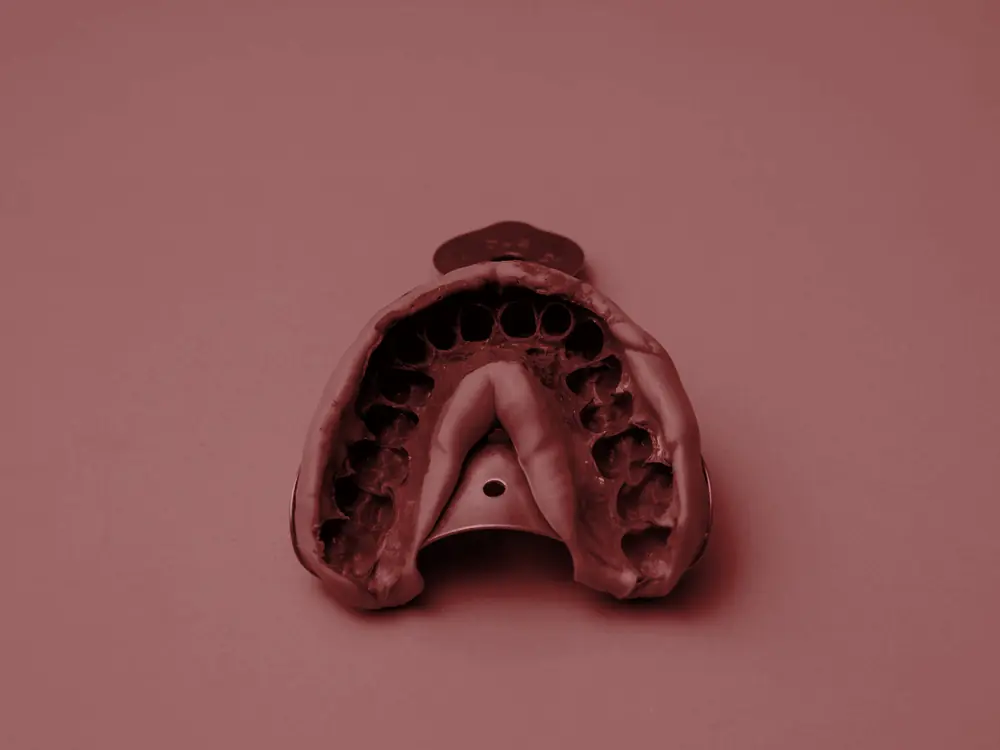
Not always. A low or thick frenum can hold the front teeth apart, and in some cases a minor procedure to release it, called a frenectomy, helps the gap close and stay closed. Many front gaps close without it.
The clinician checks the frenum during the examination by gently lifting the upper lip. If the tissue blanches between the front teeth, it may be contributing to the gap.
Where a frenectomy is advised, it is a small procedure done separately from aligner treatment, often around the time the gap is closed. Your plan explains whether you need it.
Alternatives
Bonding can close a small gap quickly by adding tooth coloured material to the sides of the teeth, but it makes the teeth wider rather than moving them. Aligners close the gap by moving the teeth, keeping their natural shape.
Bonding suits a very small gap between teeth that are already narrow. For wider gaps, bonding alone can leave the front teeth looking too broad, and the material can chip or stain over the years.
Sometimes the best result combines both: aligners close most of the space and position the teeth evenly, and a little bonding afterwards perfects the shape of a narrow tooth. The examination tells you which suits your smile.
Gums first

Gaps caused by gum disease must be treated at the gums first. Moving teeth that have lost bone support, without treating the gum disease, can make the bone loss worse. Once the gums are healthy and stable, aligners can often close the spaces.
Signs that gaps may be gum related include bleeding when you brush, gums that have pulled back from the teeth, bad breath and teeth that feel slightly loose. If any of these sound familiar, see a dentist for a gum check before thinking about straightening.
After treatment, gum related cases need especially careful retention and regular cleaning, because the bone support around the teeth is reduced.
Children
Yes. Gaps between milk teeth are normal and healthy, because they make room for the larger adult teeth. A gap between the new upper front teeth in children aged about seven to ten is also common and often narrows as the side teeth and canines come through.
Because of this, gaps in young children are usually watched rather than treated. If a gap remains once the adult canines are through, usually in the early teens, it can be assessed for treatment.
A check is still worthwhile if a gap is very large, if a tooth seems to be missing, or if a habit such as thumb sucking continues.
Your treatment
Closing a gap with aligners follows five steps, from the first examination to the retainer that keeps the gap closed. You see your plan and price before anything is made.
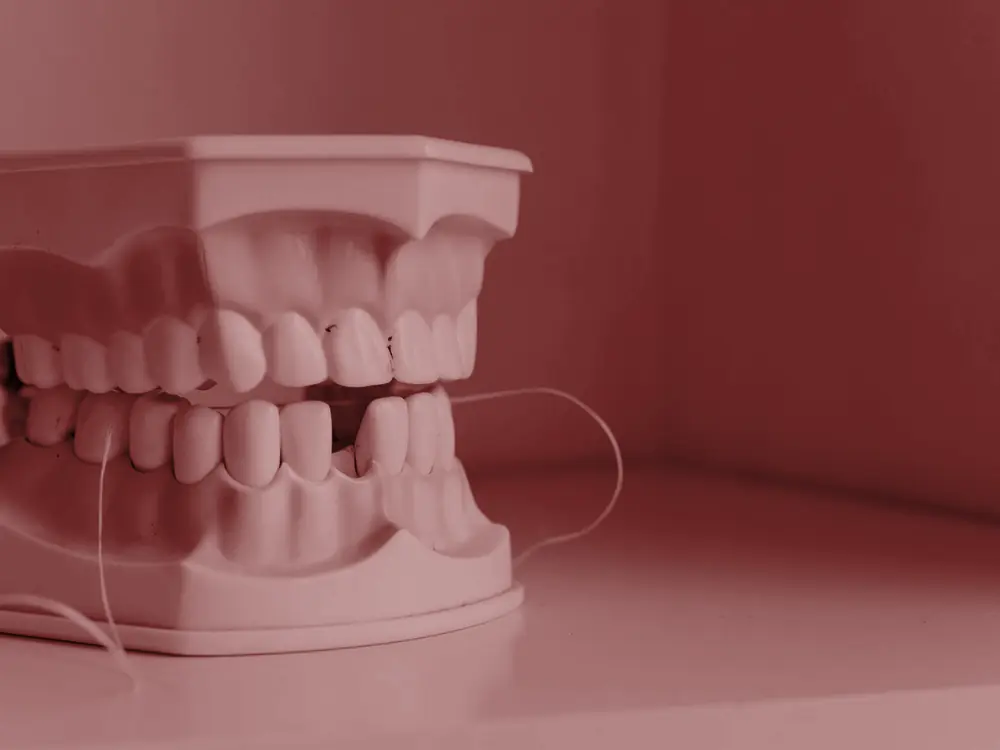
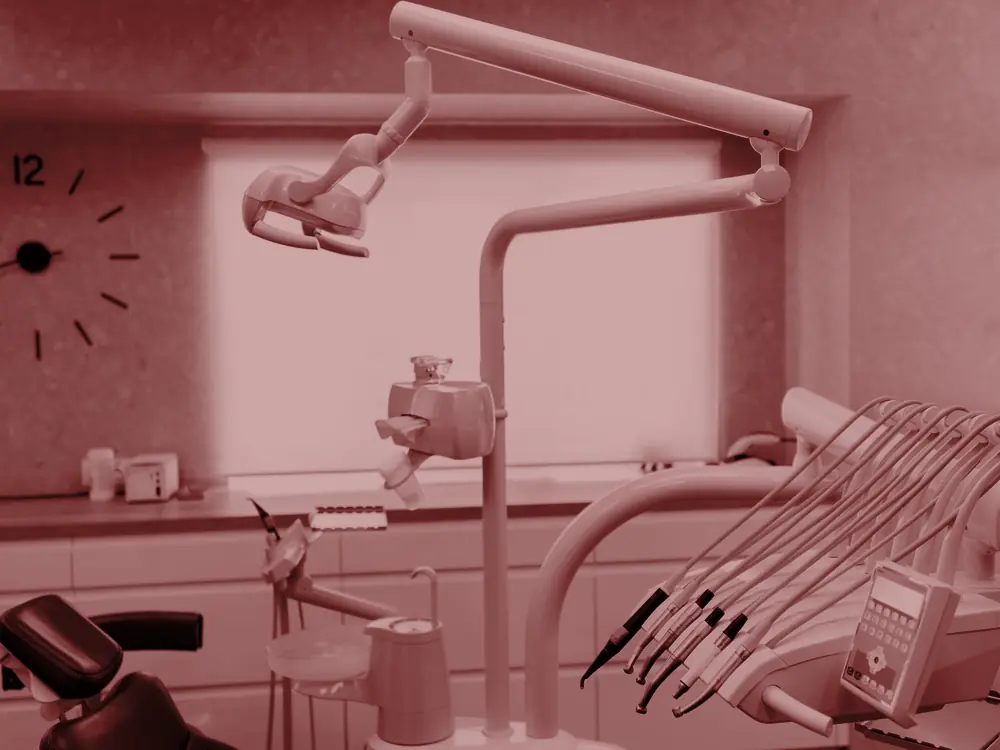
A clinician checks the gap, the gums, the frenum and the bite, and finds the cause.

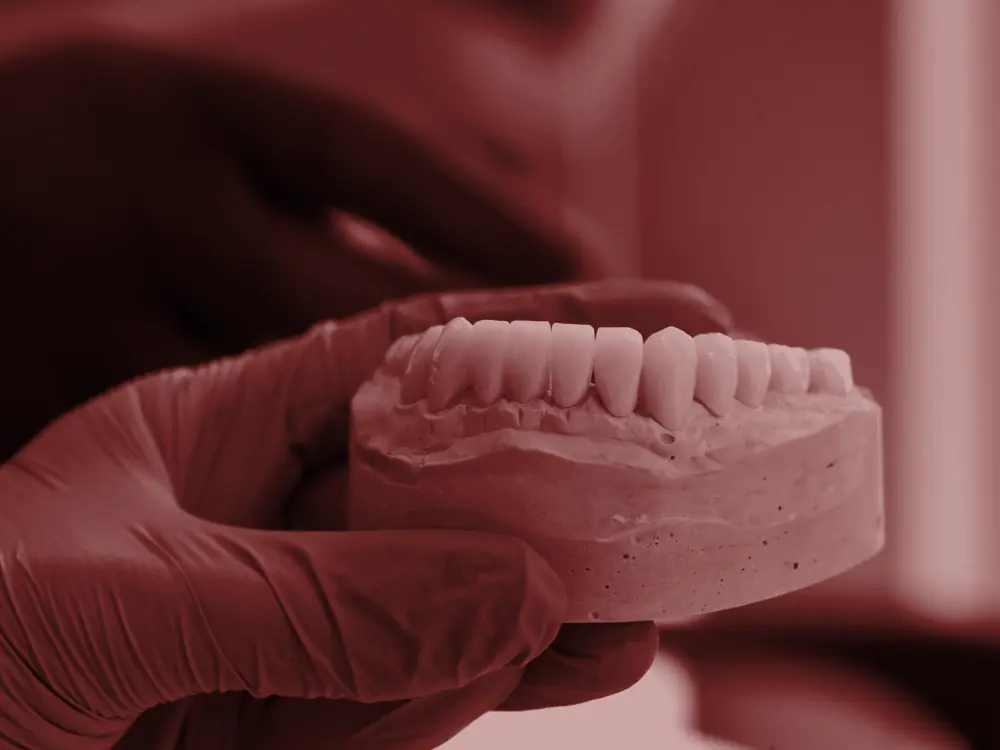
Your teeth are scanned and the closing movement is planned, tray by tray.

Your trays are printed and formed in our laboratory in Pakistan.

Each tray is worn for about a week, 22 hours a day, with progress checked as you go.
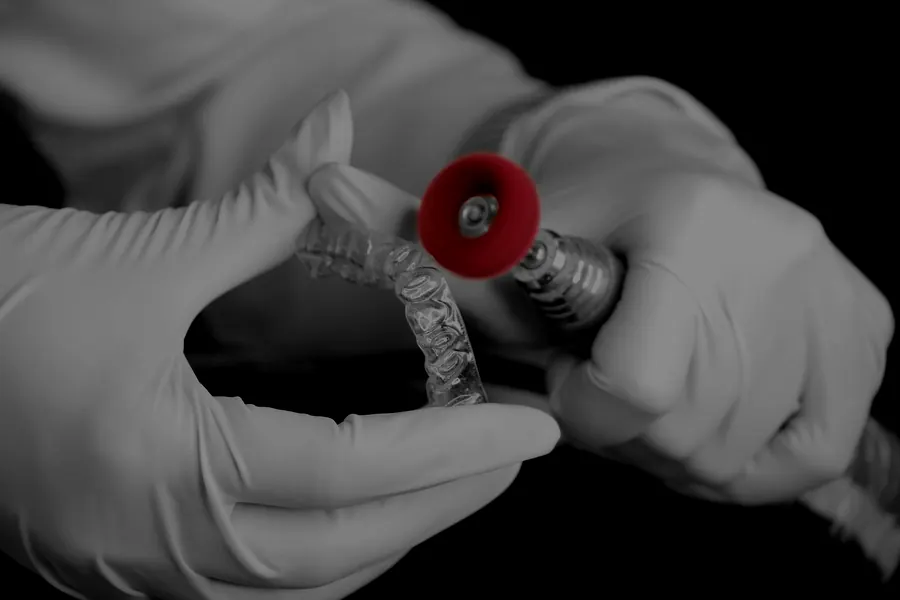
A retainer, and sometimes a bonded wire, keeps the gap closed after the last tray.
Cost
Closing a gap with our aligners costs PKR 2 to 5 lakh for a full course. A single small front gap usually sits toward the lower end; spacing across both arches, or a gap combined with a bite correction, sits higher because more trays are needed.
You receive the exact figure in writing after your scan and plan. Our guide to the aligners price in Pakistan explains what moves a case up or down the range.
Speech
A gap between the front teeth can cause a slight whistle or lisp on some sounds, especially s, z and sh, because air escapes through the space. Many people with gaps notice no effect at all; others find the whistle fades once the gap is closed.
Speech also depends on the tongue's position, and a tongue that rests against the front teeth can itself help keep a gap open. Where that is part of the cause, the clinician will mention it, because it affects how the gap is kept closed afterwards.
During aligner treatment, some people have a slight lisp for the first few days while the tongue gets used to the trays. It passes quickly and is not related to the gap.
Further back

Yes, often. Gaps between back teeth, such as spaces behind the canines or between premolars, can be closed in the same plan as front gaps, as long as the bite allows the teeth to come together without the upper and lower teeth clashing.
Back gaps are often linked to a missing or extracted tooth, or to teeth that drifted after one was lost. In those cases, the clinician decides whether closing the space or keeping it for a replacement tooth gives the better bite.
Food trapping is especially common with back gaps, because chewing forces food into them. Closing them usually makes eating more comfortable.
Waiting
In adults, gaps between teeth almost never close on their own; they tend to stay the same or widen. In children, gaps between milk teeth and between new adult front teeth often narrow naturally as other adult teeth come through.
This is why the advice differs by age. For children, waiting and watching is usually right. For adults, a gap that bothers you will not fix itself, and a gap that is getting wider needs a check for gum disease or a bite problem.
No home remedy or exercise closes an adult gap. The only safe way to move teeth together is a planned appliance.
Small gaps

Yes, if it bothers you, traps food or affects how you feel about your smile. A small gap is often one of the shortest and simplest aligner cases, and the result is immediately visible in photographs.
If a small gap does not bother you and the gums around it are healthy, there is no medical need to close it. Many people keep a small gap as part of their smile, and that is a perfectly good choice.
If you are unsure, the consultation is a good place to see what your smile would look like with the gap closed. The digital plan shows the expected result before you decide.
First visit
At your first appointment, a clinician looks at the gap, checks the gums around it, lifts the lip to look at the frenum and checks how your teeth meet. The aim is to find out why the gap is there before deciding how to close it.
If the gap has appeared recently or your teeth feel loose, the gums are examined closely and an x-ray may be advised. If a tooth is missing or narrow, the plan considers whether to close the space or prepare it for a replacement or bonding.
If aligners suit your case, your teeth are scanned so the plan and written price can be prepared. You decide after seeing both.
After the gap closes
Once a gap is closed, the changes people notice most are practical as well as cosmetic. These are the differences patients usually mention.
Food no longer packs into the space and presses on the gum when you eat.
Floss slides between the teeth normally instead of falling through a gap.
The front teeth sit together, so the centre of the smile looks balanced.
Any whistle on s sounds that came from the gap usually fades.
Many patients say they smile with their teeth in photos again.
Retainers become a nightly habit, which keeps the gap from reopening.
Lower teeth
Yes. Gaps between the lower front teeth can be closed with aligners, often in the same plan as the upper teeth. Lower gaps are less visible but can trap food and make the lower teeth look uneven.
Because the upper and lower front teeth meet, closing lower gaps can change how the upper teeth sit over them. The plan checks the bite so both arches finish in harmony.
As with upper gaps, retainers keep lower spacing closed. The lower front teeth are particularly prone to drifting, so retention is planned carefully.
Hygiene
Keep teeth and trays clean by brushing and flossing after every meal before the trays go back in, rinsing the trays each time they come out and brushing them gently each day with cool water. Food that would have packed into the gap must not be trapped under a tray instead.
A water flosser is a quick way to clean around the teeth while the spaces close and around any attachments.
Avoid drinking anything except plain water with the trays in, so sugar is not held against the teeth and gums for hours.
Adults

Yes. Aligners for gaps work for adults of any age, provided the gums and the bone around the teeth are healthy. Many of the gap cases we treat are adults who have lived with a front gap for years and decided it was finally time.
Adults are often ideal aligner patients for gaps: the result is visible quickly, the trays do not show at work, and adults tend to wear them reliably. The one extra step for adults is a careful gum check, because gaps that appear later in life can be gum related.
Teenagers can use aligners for gaps too, once the adult canines are through and the gap is clearly not closing on its own.
Expectations
With aligners for gaps, you can expect the space to close as shown in your digital plan, with the teeth meeting evenly, provided the trays are worn 22 hours a day. The plan shows the expected finish before treatment starts.
The bigger question is keeping the result. Closed gaps are among the cases most likely to reopen, so the result you keep depends on wearing retainers as advised. Patients who do keep their gaps closed.
If a narrow tooth was part of the cause, the teeth may look even better with a little bonding afterwards. That is a separate, optional step once the teeth are in position.
Tongue habits
Often, yes, but tongue thrust gaps are more likely to reopen, so retention needs special care. Tongue thrust means the tongue pushes against the front teeth when swallowing or at rest, which can tip the teeth forward and hold spaces open.
Aligners can close the spaces, and the trays themselves sit between the tongue and the teeth during treatment. After treatment, though, the tongue habit is still there, so a bonded retainer behind the front teeth is often advised.
Becoming aware of where your tongue rests helps. The clinician will point it out if it is part of your case.
Gum health
Gaps between teeth can let food press directly onto the gum when you chew, which can make the gum between the teeth sore, swollen or prone to bleeding. Closing the space restores the tight contact that normally protects the gum.
Healthy teeth touch each other at a small contact point. That contact deflects food over the gum rather than into it. When a space opens, the gum between the teeth takes the full force of chewing, which is why gap related soreness is most noticeable with meat and other fibrous food.
After a gap is closed, the gum between the teeth often settles and fills the space more neatly over the following months. Regular cleaning helps it do so, and a gum that has been sore for years can feel noticeably more comfortable once food stops pressing into it at every meal.
Finding treatment
You can get aligners for gaps between teeth from Teeth Aligners in Islamabad, Rawalpindi, Lahore, Sargodha and Gilgit, with every tray made in our own laboratory in Pakistan. Overseas patients can often be treated remotely after an assessment.
Look for a provider who finds the cause of the gap before closing it, shows you the plan before treatment and plans retention from the start. Those steps decide whether the gap stays closed.
If braces are on your mind instead, our page on aligners vs braces compares the two for spacing and other problems.
Questions
Yes. A gap between the front teeth is one of the most common and successful aligner cases. Small gaps often close in a short plan, followed by a retainer to keep the space closed.
A single small gap can close in a few months; spacing across the arch takes longer. Most plans run at least six months in total, followed by about six months of retainer wear.
A gap can reopen if retainers are not worn, and gaps are among the cases most likely to do so. Wearing retainers as advised, sometimes with a bonded wire behind the front teeth, keeps the gap closed.
Often, but very large gaps, especially from missing teeth, may not close fully without affecting the bite. In those cases the plan positions the teeth evenly and may leave space for a replacement tooth.
A gap is not harmful in itself, but it can trap food and irritate the gum. A gap that appeared or widened in adulthood should be checked, because it can be a sign of gum disease.
New gaps in adulthood are often caused by gum disease, a tongue habit, a bite problem or teeth drifting after a tooth was lost. A dental check finds the cause before any treatment.
Not usually. A frenectomy is advised only when a thick or low frenum is holding the front teeth apart. The clinician checks this at the examination.
Bonding can close a very small gap by widening the teeth, without moving them. For larger gaps, aligners give a more natural result by moving the teeth, sometimes with a little bonding afterwards.
A full course of our aligners costs PKR 2 to 5 lakh. A single small front gap usually sits toward the lower end of that range.
No. You feel pressure for a day or two with each new tray as the teeth move, which fades quickly. There are no wires or brackets to rub.
Often, once the gum disease has been treated and the gums are stable. Moving teeth before the gums are treated can make bone loss worse, so the gums always come first.
Yes. Gaps between milk teeth are normal, and a gap between new adult front teeth often narrows as other teeth come through. Gaps in young children are usually watched rather than treated.
Closing a gap makes the front teeth sit together, which most patients find makes the smile look more even. Your digital plan shows the expected result before you decide.
No. Rubber bands placed around teeth can slide under the gum and destroy the tissue that holds the teeth in place. Gaps should only be closed with a clinically planned appliance.
Yes. Many plans close spacing in one area while straightening teeth in another. The digital plan handles both together, tray by tray.
Yes. Retainers are especially important after closing gaps, because the teeth tend to drift apart again. A retainer phase of about six months is followed by night time wear.
Often, yes. Spaces further back in the arch can be closed in the same plan, as long as the bite allows the teeth to move together.
A very small gap can start to close within the first few trays, but the teeth then need holding in position while the gums adapt. Rushing the closure risks the gap reopening, so the plan includes that holding stage.
Not usually. The plan positions the teeth evenly, and where a tooth is genuinely narrow, a little bonding afterwards can perfect its shape. Your plan shows the expected result first.
Usually, yes. A crowned tooth moves with the root underneath it. Tell us about any crowns or veneers at the assessment so the plan accounts for them.
Not necessarily. Many gaps are inherited or caused by tooth size. But a gap that appeared or widened in adulthood can be a sign of gum disease, so it should be checked.
Sometimes. Whether to close the space or keep it for a replacement depends on its size and the bite. The clinician explains which gives the better long term result.
Often, yes. A thin wire bonded behind the front teeth is commonly advised after closing a front gap, alongside a removable retainer, because front gaps are especially prone to reopening.
Aligners for gaps often sit toward the lower end of our PKR 2 to 5 lakh range, because a single small gap needs fewer trays than crowding or a bite correction.
Yes. You take the trays out to eat, so there are no food restrictions. Brush or rinse before putting them back so food is not trapped against the teeth.
The plan moves the teeth so the closed space sits evenly around the centre of your smile. If one side needs more movement, the plan accounts for it tray by tray.
Yes. Many patients find aligners easy during Ramadan, because there is no eating during the day to interrupt wear. Take the trays out for suhoor and iftar, brush, and put them straight back in.
A short course of aligners can usually close it again. Gaps reopen most often when retainers have been stopped, so the new plan includes retention from the start.
Often, yes. After an assessment from photos and a scan or impressions, your trays are made in our laboratory in Pakistan and progress is checked by photo about twelve days into each new tray.
Rarely. Clear trays are almost invisible at normal speaking distance. Most people notice the gap getting smaller long before they notice the trays.
Book a consultation. A clinician examines the gap, your gums and your bite, finds the cause and tells you honestly whether aligners will close it and how it will stay closed.
Keep reading
A clinician examines the gap, finds what caused it and tells you honestly how aligners would close it and keep it closed.