
01
Bite assessment
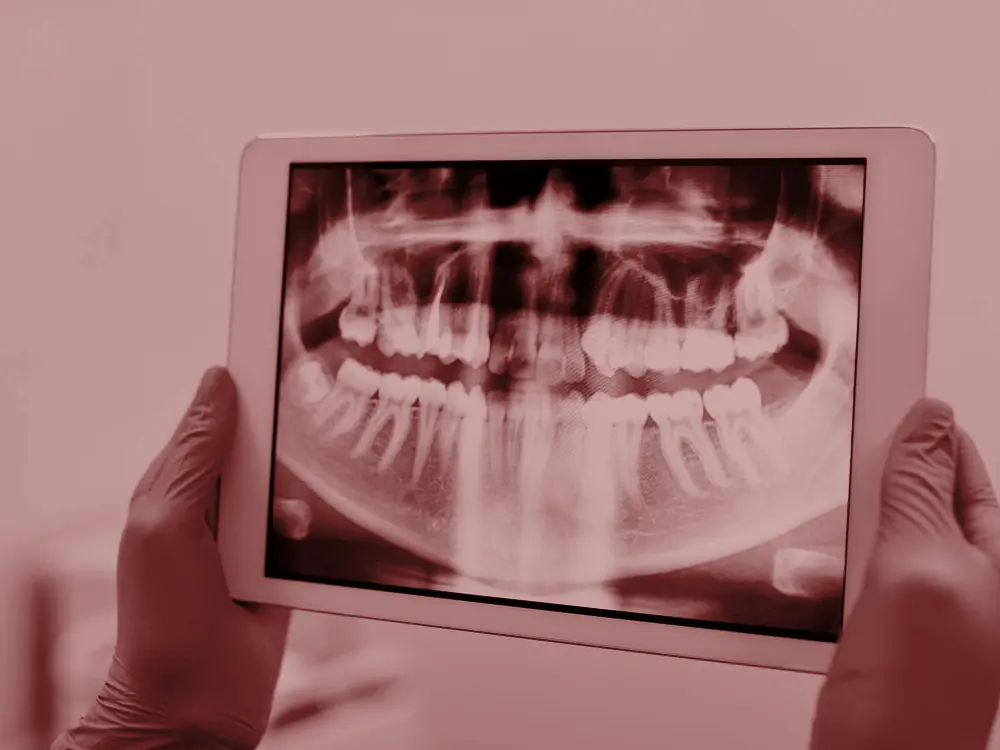
A clinician examines your teeth, jaws and bite, and may advise an x-ray, to decide if the overbite is dental or skeletal.

Teeth Aligners / Aligners for overbite
Aligners for overbite can correct many deep bites and protruding front teeth when the cause is the position of the teeth rather than the jaw. Because an overbite is a bite problem, not just a crooked tooth, every case starts with a clinical assessment. Here is what aligners can fix, what they cannot, and how to tell which applies to you.
The short answer
Often, after assessmentDental overbites yes; skeletal ones need moreYes, in many cases. Aligners can correct a deep overbite or protruding front teeth when the problem comes from the position of the teeth. When it comes from the size or position of the jaws, aligners alone may not be enough, and braces, growth treatment in children or jaw surgery in adults may be needed.
That is why an overbite always starts with an examination, and often an x-ray, before anything is promised. The plan for an overbite usually moves both arches together, so it takes longer than closing a gap or straightening crowding.
How we do it
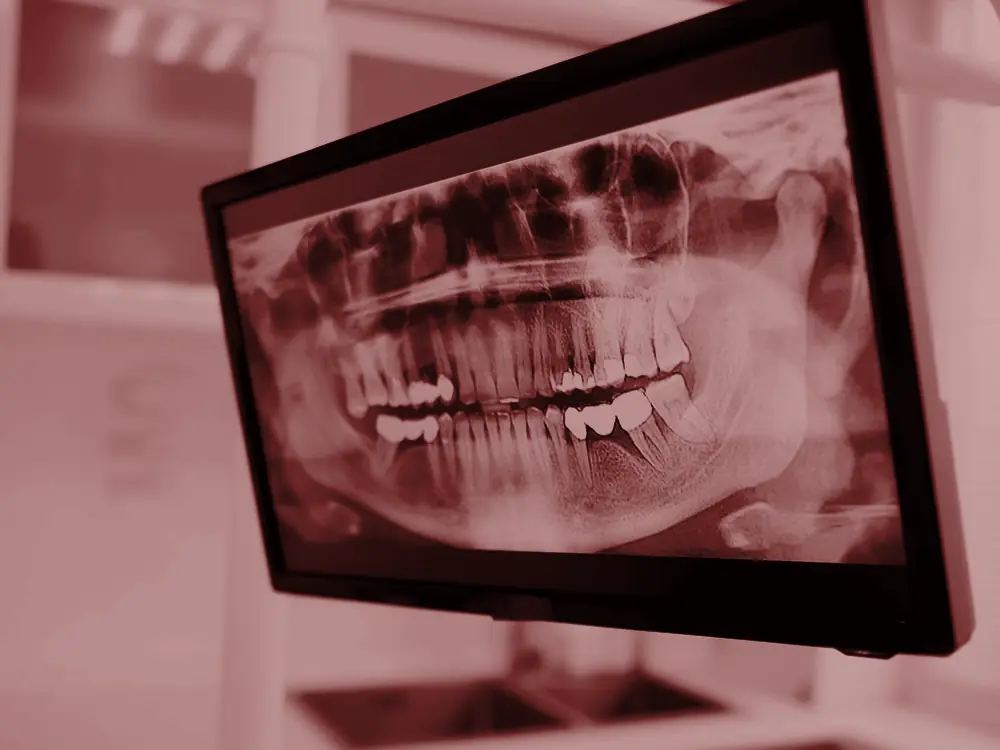
We treat an overbite by first establishing whether it comes from the teeth or the jaws, because a dental overbite is the kind aligners handle well. When aligners suit you, a clinician approves a plan that works on both arches to level the bite and control the front teeth, and our laboratory makes the trays.
Why Teeth Aligners
Choose Teeth Aligners for your overbite because we are honest about which bites aligners can fix, and when they can, the whole treatment stays with one team and one laboratory in Pakistan.
If your overbite is skeletal, you hear it at the assessment, along with what would treat it.
Bite cases are planned and approved by a clinician, never from a smile photo.
Every stage printed and formed in our laboratory, with no import margin added to your price.
A full course price confirmed once your bite has been assessed and the tray count is known.
The overbite result on this page belongs to one of our own patients.
Follow up continues through the retainer phase, so early relapse of the bite is noticed.
Book a free bite assessment and find out whether aligners for overbite will work for you.
The basics
An overbite is how far the upper front teeth overlap the lower front teeth when you bite together. A small overlap is normal. A deep overbite is when the upper teeth cover most or all of the lower front teeth, sometimes so deeply that the lower teeth bite into the gum behind the upper teeth.
Dentists also use the term deep bite for the same problem. It describes a vertical overlap: the upper teeth come too far down over the lower ones.
In everyday speech, people often say overbite when they mean protruding upper teeth that stick out in front of the lower ones. That is a slightly different problem, called an overjet, and many people have both.
Buck teeth
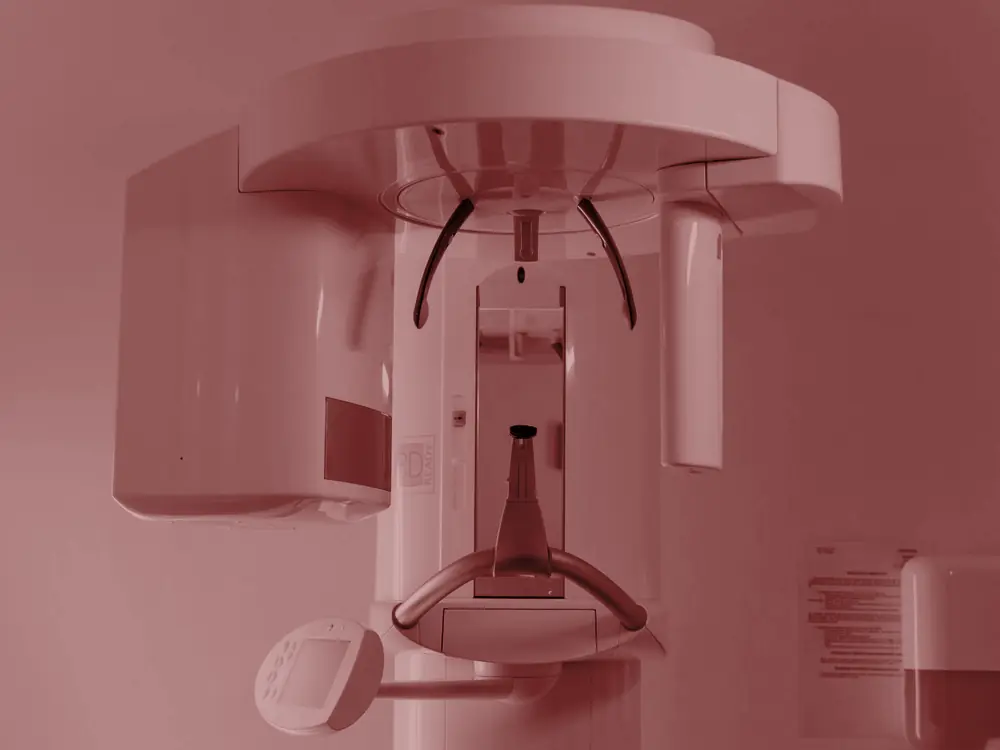
An overbite is the vertical overlap of the upper front teeth over the lower ones; an overjet is how far the upper front teeth stick out in front of the lower ones. Teeth that stick out, often called buck teeth, are an overjet. The two often come together, and both are assessed at the same examination.
The difference matters for treatment. A deep overbite is corrected by changing the vertical position of the teeth. An overjet is corrected by moving the upper front teeth back, the lower teeth forward, or both, and sometimes by changing how the jaws meet.
Aligners can treat many dental overjets, especially when the front teeth are tipped forward and there is room to bring them back. Large overjets caused by a small lower jaw often need more than aligners.
Why it happens
An overbite is most often caused by the inherited size and position of the jaws, especially a lower jaw that is small or set back. Habits such as thumb sucking, crowding of the lower teeth, worn or missing back teeth and grinding can also deepen the bite over time.
When the upper jaw is relatively forward or the lower jaw relatively back, the upper teeth sit in front of and over the lower ones. This is inherited and is the most common cause of a large overbite or overjet.
Lower front teeth that are crowded or tipped back, and upper front teeth that are upright or tipped down, deepen the bite even when the jaws are well matched. These dental overbites respond well to aligners.
Long term thumb sucking can push the upper front teeth forward and increase the overjet.
Worn or missing back teeth let the bite close down, so the front teeth overlap more deeply over the years.
Why treat it
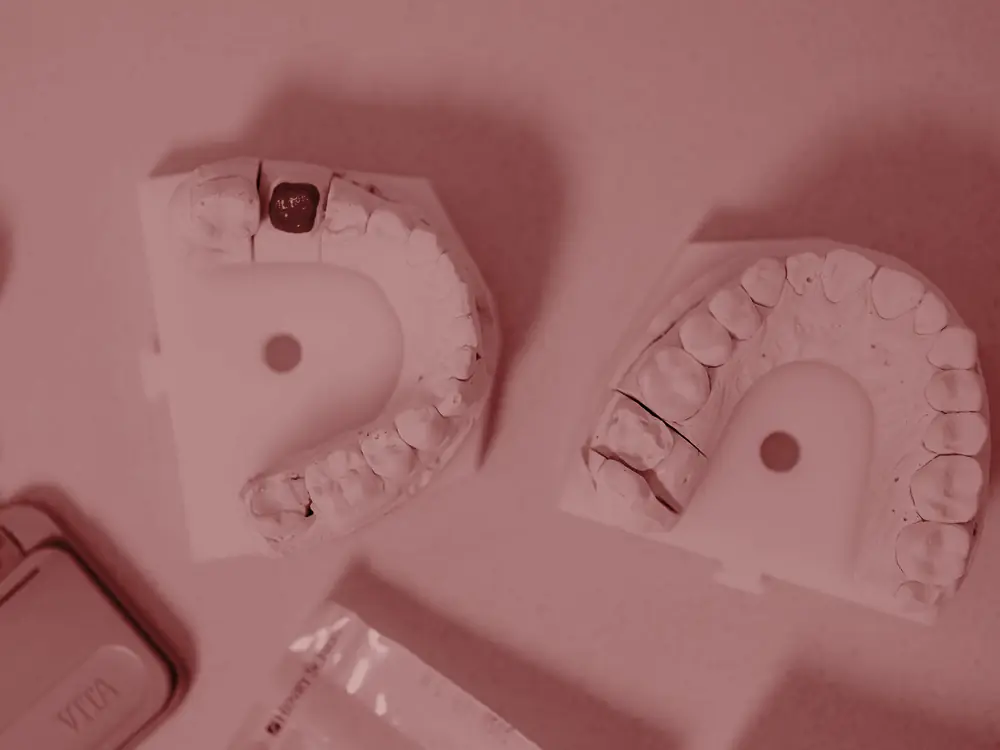
A deep overbite should be treated when it causes the lower teeth to bite into the gum behind the upper teeth, wears the front teeth down, or strains the bite. It is also commonly treated for appearance, because a deep bite can make the lower teeth disappear when you smile.
When the lower front teeth hit the gum or the roof of the mouth, the gum can become sore and damaged over time. A deep bite can also force the lower front teeth against the back of the upper ones, wearing both.
Protruding upper front teeth are more likely to be chipped or broken in a fall or knock, which is one reason overjets are often treated in children.
Not every overbite needs treatment. A mild overbite with healthy gums and no wear may be left alone, and the examination tells you which applies.
Case by case
Aligners correct most dental overbites and many mild to moderate overjets; skeletal problems usually need more. This is how each kind usually responds.
| Kind of overbite | Aligners | What it involves |
|---|---|---|
| Mild deep bite from tooth position | Good | Levelling the teeth so the front teeth overlap less |
| Moderate deep bite | Often | Both arches planned together, sometimes with attachments |
| Overbite with lower crowding | Good | Straightening the lower teeth often opens the bite |
| Protruding upper teeth with spacing | Good | Spaces closed as the front teeth are brought back |
| Large overjet from a small lower jaw | Limited | Growth treatment in children or surgery in adults |
| Severe skeletal deep bite | Limited | Often braces, sometimes combined with surgery |
| Overbite that returned after braces | Often | Assessed first, then a corrective plan and retention |
These are general guides. Whether your overbite comes from the teeth or the jaw can only be decided at an examination, sometimes with an x-ray, and that decision comes before any plan or price.
How it works
Aligners correct a dental overbite by changing the vertical position of the teeth: gently moving the front teeth up into the gum, levelling the curve of the lower teeth, and sometimes moving back teeth slightly so the bite opens. For an overjet, the trays bring the upper front teeth back and the lower front teeth forward.
These movements need both arches planned together, because changing one arch changes how it meets the other. That is why overbite plans are usually longer than plans for gaps or crowding.
Some movements need small tooth coloured attachments for grip, and some aligner plans add small elastics between the upper and lower trays to help correct how the jaws meet. Your plan shows exactly what your case needs. Our guide to how teeth aligners work explains attachments and the other parts of treatment.

Teeth or jaw
You find out at a clinical examination: the clinician checks how the jaws relate to each other, looks at your profile and bite, and may advise an x-ray. A dental overbite comes from tooth position; a skeletal overbite comes from the size or position of the jaws.
Many overbites are a mix of both. In those cases, aligners may correct the dental part and improve the bite, while the clinician explains honestly how much of the skeletal part they can change.
A real case
An overbite before and after aligners looks like this real case from our patients: upper teeth that came far down over the lower ones, brought back into a normal overlap with a series of trays.
 After

Treatment time
Fixing an overbite with aligners usually takes longer than straightening crowding or closing a gap, because both arches move and the bite changes. Most plans run well beyond six months, followed by a retainer phase of about six months.
The number of trays in your plan, shown before treatment starts, is the best guide. Bite changes also tend to show later than alignment changes, because the teeth have to move in a planned order before the overlap reduces.
Refinement trays near the end are common in bite cases, to perfect how the front teeth meet.
Without surgery
Yes, when the overbite is dental. Most dental overbites and many moderate cases are corrected without surgery. A severe skeletal overbite in an adult, where the jaws themselves are mismatched, may only be fully corrected with jaw surgery combined with orthodontic treatment.
Even in skeletal cases, aligners or braces can sometimes improve the bite enough that surgery is not needed, a compromise some adults prefer. The clinician explains what that compromise would and would not achieve.
Where surgery is the honest answer, we say so and refer you, rather than starting a plan that cannot deliver what you are hoping for.
Your profile
Fixing a dental overbite with aligners can change how your lips rest, because the front teeth support the lips. Bringing protruding front teeth back often makes the lips sit more relaxed. Aligners do not change the shape of the jaw bones, so the overall shape of the face stays the same.
Changes to the jaw itself, such as bringing a set back lower jaw forward, come from growth treatment in children or surgery in adults, not from aligners.
If a change in profile is what you are hoping for, tell the clinician at the assessment. It helps set realistic expectations from the start.
Children
In children, an overbite caused by a small or set back lower jaw is often treated while the jaws are still growing, usually with appliances that guide jaw growth, under an orthodontist. This growth stage is the best time to correct a skeletal overbite without surgery.
Protruding upper front teeth in children are also more likely to be chipped or broken in a fall, which is another reason they are often treated early. The NHS describes the same principle: the timing and type of treatment depend on an assessment of the teeth, jaws and bite (NHS on orthodontics).
Once the adult teeth are through, teenagers with a dental overbite can often be treated with aligners. A check around the age the adult front teeth arrive tells you whether to act early.
Adults
Yes, when the overbite is dental. Adults with a deep bite from tooth position, crowding or wear can often correct it with aligners. Adults with a severe skeletal overbite usually need braces combined with jaw surgery for a full correction, because the jaws have stopped growing.
Many adults come to us with an overbite that worsened over the years as lower teeth crowded or back teeth were lost. Those cases often respond well, because the cause is the teeth.
Adults also need a gum check first. Moving teeth through inflamed gums risks bone loss, so any gum problem is treated before treatment starts.
Tooth wear
A deep overbite can wear down your teeth. In a deep overbite, the lower front teeth can rub against the back of the upper front teeth, and both can wear over the years. Grinding makes this worse, and worn front teeth can look short and make the bite even deeper.
Correcting the overbite reduces that contact, which protects the front teeth from further wear. If teeth are already worn, the clinician may suggest restoring them after the bite is corrected, so the restorations are not placed under the same strain.
If you grind your teeth at night, mention it at the assessment, because it affects both the plan and the retention.
Jaw comfort
An overbite can contribute to jaw strain in some people, but jaw pain has many causes, including grinding, clenching and stress. A deep bite does not always cause pain, and correcting a bite does not guarantee pain relief.
If you have jaw pain, clicking or frequent headaches, tell the clinician at your examination. Understanding the cause before treatment is important, both for planning and for setting honest expectations.
Watch
A smile transformation with aligners is a gradual change from tray to tray, with teeth and bite moving into the planned position over months rather than days. Our short video shows smile transformations from our aligners.
Bite cases change in stages: the alignment often improves first, and the overlap of the front teeth reduces as the plan progresses.

Signs to look for
The common signs of a deep overbite are that the lower front teeth disappear when you bite, the lower teeth touch the gum behind the upper teeth, and the front teeth look short or worn. These are the signs worth having checked.
When you bite together, the upper front teeth cover most or all of the lower front teeth.
The lower front teeth touch or dig into the gum behind the upper front teeth.
The edges of the front teeth look flat, chipped or short.
The upper front teeth sit well in front of the lower ones, often called buck teeth.
Closing the lips over protruding teeth takes effort or looks strained.
The roof of the mouth behind the upper front teeth feels sore or marked.
Your treatment
Correcting an overbite with aligners follows five steps, starting with an assessment that decides whether aligners are the right tool for your bite at all.
A clinician examines your teeth, jaws and bite, and may advise an x-ray, to decide if the overbite is dental or skeletal.
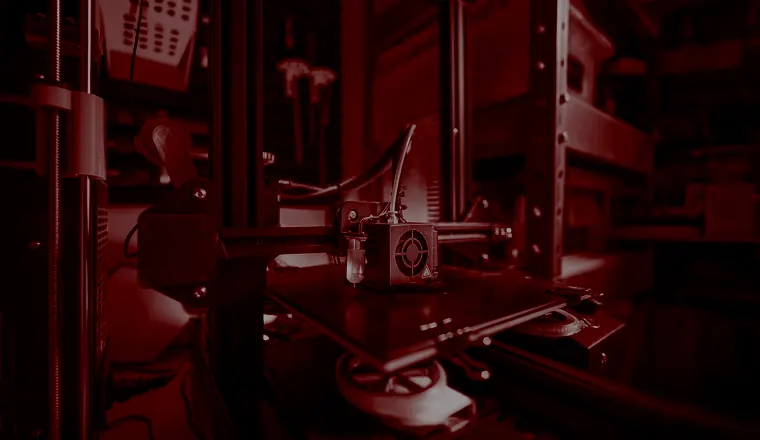
If aligners suit you, your teeth are scanned and both arches are planned together, tray by tray.
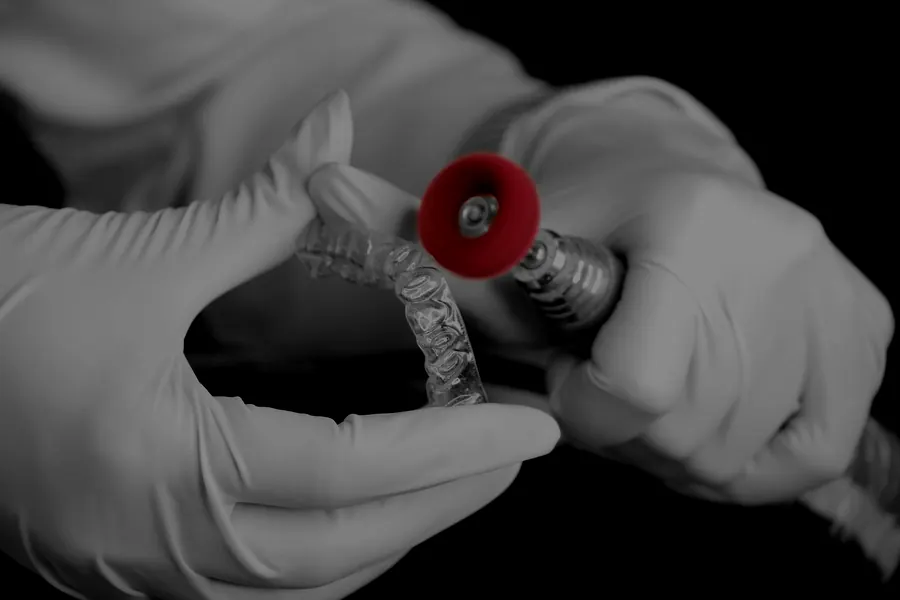
Your trays are printed and formed in our laboratory in Pakistan.

Each tray is worn for about a week, 22 hours a day, with progress and bite checked as you go.
Retainers hold the corrected bite, which is especially important for deep bites.
Cost
Fixing an overbite with our aligners costs PKR 2 to 5 lakh for a full course, and bite corrections usually sit in the middle to upper part of that range, because both arches move and more trays are needed. You receive the exact figure in writing after your assessment and plan.
Our guide to the aligners price in Pakistan explains what moves a case up or down the range.
The assessment
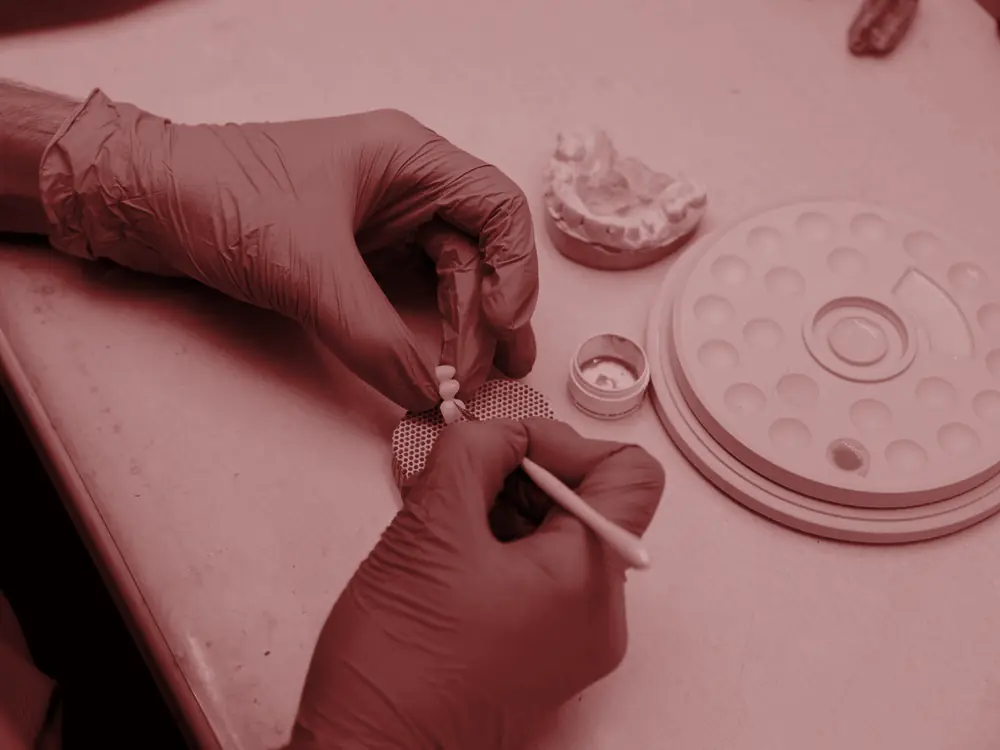
At an overbite assessment, a clinician looks at how your teeth meet from the front and the side, measures how far the upper teeth overlap and stick out, checks the gums behind the upper front teeth and looks at your profile. An x-ray may be advised to see how the jaws relate to each other.
You will be asked about habits such as grinding or thumb sucking in childhood, any jaw pain or clicking, and what bothers you most: the look of the teeth, the bite, or both.
The result is an honest verdict: whether aligners can correct your overbite, whether braces or an orthodontist in person would serve you better, or whether surgery is the only way to fully correct it. If aligners suit you, your teeth are scanned so the plan and written price can be prepared.
Eating
An overbite can make biting into food with the front teeth harder, especially with a large overjet, where the front teeth do not meet. Many people with an overbite chew normally with their back teeth and notice no problem at all.
With a large overjet, people often bite food with the side teeth instead of the front teeth without realising it. With a very deep bite, the lower teeth hitting the gum behind the upper teeth can make chewing uncomfortable.
During aligner treatment, eating is easy: the trays come out for meals, so you can eat whatever you like.
Gum health
Yes. In a very deep overbite, the lower front teeth can bite into the gum behind the upper front teeth, and the upper teeth can press on the gum in front of the lower ones. Over years, this can cause the gum to recede or become sore.
Signs include marks or soreness on the roof of the mouth just behind the upper front teeth, and gum that looks pulled back on the front of the lower teeth. These are reasons to have a deep bite checked even if it does not bother you cosmetically.
Correcting the bite takes the pressure off the gums. If the gums are already inflamed, they are treated before any teeth are moved.
Combined cases
Yes. Overbites and crowding often come together, and aligners correct both in one plan. Straightening crowded lower front teeth can itself reduce a deep bite, because the lower teeth move into a better position under the upper ones.
The plan sequences the movements: making space, aligning the teeth and then adjusting the bite, so each tray asks for movement the teeth can actually make.
Read more about treating crowding in our guide to aligners for crooked teeth.
Relapse
An overbite that returns after braces can often be corrected again with aligners, once a clinician has assessed why it returned. Deep bites are prone to relapse, especially when retainers were stopped early or teeth were lost or worn afterwards.
Relapse cases are assessed as carefully as first time cases, because the reason the bite deepened again affects the plan. Grinding, missing back teeth and stopping retainers are the usual culprits.
This time, retention is planned from the start, so the corrected bite has the best chance of staying put.
During treatment
Daily life during overbite treatment with aligners is much like any aligner treatment: trays worn about 22 hours a day, out only to eat, drink anything other than water and brush, and a new tray about every week. If your plan uses elastics, you also wear those as instructed.
Bite plans can feel slightly different from simple straightening, because the way the teeth meet changes gradually. Some patients notice the bite feels unusual for a few days with a new tray, which settles.
Keep every check appointment. Bite changes need to be monitored more closely than simple alignment, and small adjustments along the way keep the plan on track.
Upper or lower
Rarely. Because an overbite is about how the upper and lower teeth meet, most plans move both arches. Treating only the upper teeth can work for a mild overjet where the upper front teeth are tipped forward and the lower teeth are well aligned.
Moving only one arch when both are involved can leave the bite meeting unevenly, which is why the clinician plans both together unless your case clearly allows otherwise.
Expectations
With aligners for overbite, you can expect the overlap of the front teeth to reduce towards a normal bite, as shown in your digital plan, provided the overbite is dental and the trays are worn as prescribed. The plan shows the expected finish before treatment starts.
Where the overbite is partly skeletal, the result may be an improvement rather than a complete correction. The clinician explains this before treatment, so the plan you agree to is one that can deliver what it shows.
Bite results also depend on retention. Deep bites tend to deepen again without retainers, so wearing them is part of the result, not an optional extra.
Who plans it

A clinician plans every overbite case: examining the bite, deciding whether aligners suit it, and approving the digital plan tray by tray. Bite cases are never planned from photos alone, because how the jaws meet cannot be judged reliably that way.
Our laboratory then makes the trays to that approved plan. Where a case needs an orthodontist in person or surgery, the clinician says so and refers you, rather than starting treatment that cannot deliver a full correction.
That honesty matters most in bite cases, where the difference between what aligners can and cannot do is largest. A clear answer at the start saves months of treatment aimed at a result that was never possible.
Honest limits
Braces are better than aligners for severe overbites, large overjets from a small lower jaw, and cases that need the constant control of a wire, as well as for anyone who will not wear removable trays 22 hours a day. Severe skeletal cases may need braces combined with surgery.
For many dental overbites, aligners are the more comfortable and discreet option. Our page on aligners vs braces compares the two problem by problem.
Keeping it
A corrected overbite can deepen again if retainers are not worn, and deep bites are among the cases most prone to relapse. Wearing retainers as advised is what keeps the corrected bite.
After the last tray, there is usually a retainer phase of about six months of regular wear, followed by night time wear. Some retainers for deep bite cases are designed to help hold the bite open as well as keep the teeth straight.
If the bite deepens again years later, it can usually be corrected again, and the new plan includes retention from the start. Patients who keep wearing their retainers at night are the ones whose corrected bite stays where the plan put it.
Finding treatment
You can get aligners for overbite from Teeth Aligners in Islamabad, Rawalpindi, Lahore, Sargodha and Gilgit, after an in person bite assessment. Every tray is made in our own laboratory in Pakistan.
For bite cases, we ask overseas patients to plan at least one in person appointment, because a bite cannot be judged reliably from photos alone.
Our clinicians include Dr Farwa Shahid (BDS, MPH, FCPS) in Lahore and Dr Ramsha Nawaz in Rawalpindi; read about them on our doctors page.
Questions
Yes, in many cases. Aligners correct dental overbites and many mild to moderate overjets. Overbites caused by the size or position of the jaws may need braces, growth treatment in children or surgery in adults.
Often, when the upper front teeth are tipped forward and there is room to bring them back. Large overjets caused by a small lower jaw usually need more than aligners.
Usually longer than crowding or gaps, because both arches move and the bite changes. Most plans run well beyond six months, followed by about six months of retainer wear.
A small overlap of the upper front teeth over the lower ones is normal. A deep overbite is when the upper teeth cover most or all of the lower front teeth.
No. An overbite is the vertical overlap of the front teeth; an overjet is how far the upper front teeth stick out in front of the lower ones. Many people have both.
Many can, when the overbite is dental. Severe skeletal overbites in adults may only be fully corrected with surgery combined with orthodontic treatment.
Sometimes. An x-ray can show how the jaws relate to each other, which helps decide whether the overbite is dental or skeletal. The clinician advises whether you need one.
Correcting protruding front teeth can change how the lips rest, often making them look more relaxed. Aligners do not change the shape of the jaw bones.
A deep overbite can damage the gum behind the upper teeth and wear the front teeth over time. A mild overbite with healthy gums and no wear may not need treatment.
Often, once the adult teeth are through and the overbite is dental. Younger children with a skeletal overbite are usually best treated by an orthodontist while the jaws are growing.
Some plans add small elastics between the upper and lower trays to help correct how the jaws meet. Your plan shows whether your case needs them.
A full course of our aligners costs PKR 2 to 5 lakh, and overbite corrections usually sit in the middle to upper part of that range because both arches move.
A corrected overbite can deepen again if retainers are not worn. Deep bites are prone to relapse, so retainers are especially important.
No. A retainer holds teeth in place; it does not correct an overbite. Some retainers help hold a corrected bite open, but the correction itself comes from aligners or braces.
Usually not. Some people with large overjets find certain sounds harder, but most overbites do not affect speech.
Bite cases need at least one in person assessment, because a bite cannot be judged reliably from photos. After that, treatment can often continue with remote checks.
For dental overbites, aligners work well and are more discreet. For severe or skeletal overbites, braces give more control and may be combined with surgery.
Fixing an overbite with aligners causes pressure for a day or two with each new tray, not sharp pain. If elastics are used, the teeth may feel tender for a day when you start wearing them.
An overbite can get worse with age. Lower teeth that crowd over time, worn front teeth and lost back teeth can all let the bite deepen. A deepening bite is worth having checked before it damages the gums.
Often, yes. The size and position of the jaws are largely inherited, so overbites and overjets commonly run in families. Habits and tooth loss can add to an inherited tendency.
Often, once the habit has stopped. Thumb sucking can push the upper front teeth forward, and aligners can bring them back, but the habit must stop or the teeth will move forward again.
Often, yes. A deep curve in the lower teeth is a common part of a deep overbite, and aligners can level it so the front teeth overlap less. Both arches are usually planned together.
In an overbite, the upper front teeth overlap the lower ones too much. In an underbite, the lower teeth sit in front of the upper teeth. They are opposite problems with different treatments.
Yes. Aligners are easy to wear during Ramadan, because there is no eating during the day to interrupt wear. Take them out for suhoor and iftar, brush, and put them back.
Yes, when the overbite is dental and the gums are healthy. Adults of any age can have a dental overbite corrected with aligners. Severe skeletal overbites in adults usually need braces combined with surgery for a full correction.
Sometimes. IPR, the polishing of a thin layer of enamel between some teeth, can create the small amount of space needed to bring protruding front teeth back. Your plan shows whether your case needs it.
Book a consultation. A clinician examines your teeth, jaws and bite, tells you whether the overbite is dental or skeletal and explains honestly what aligners can achieve.
Keep reading
A clinician examines your teeth, jaws and bite and tells you honestly whether aligners can correct your overbite, before anything is promised.