

01
Contact us
Call, WhatsApp 0330 3050007 or send the form to choose a time in Lahore.

Teeth Aligners / Lahore
Teeth aligners in Lahore, with cases for Lahore and central Punjab reviewed by Dr Farwa Shahid and every tray made in our own laboratory in Pakistan. No import margin means a full course costs PKR 2 to 5 lakh. Book a free consultation and find out whether clear aligners suit your teeth.
The short answer
Al Rehman Garden, LahorePlanned by Dr Farwa ShahidYou can get teeth aligners in Lahore at our branch in Al Rehman Garden Phase 2, with case suitability and movement planning reviewed by Dr Farwa Shahid. A full course costs PKR 2 to 5 lakh, because every tray is made in our own laboratory in Pakistan rather than imported.
Call or WhatsApp 0330 3050007, or use the form on this page, to book a free consultation. You will find out whether aligners suit you before spending anything.
Lahore at a glance
Everything a Lahore patient usually asks first, in one place: the branch, the clinician, the cost and the routine.
| Topic | Lahore |
|---|---|
| Branch | Al Rehman Garden Phase 2, Lahore (plus code H6XG+QMC) |
| Call or WhatsApp | 0330 3050007 |
| Plans reviewed by | Dr Farwa Shahid, BDS, MPH, FCPS |
| Covers | Lahore and central Punjab, including cases referred by other clinics |
| Consultation | Free first visit |
| Cost | PKR 2 to 5 lakh for a full course |
| Wear | 22 hours a day, trays out only to eat and clean |
| Tray changes | About weekly |
| Typical minimum | About six months active, then a retainer phase of about six months |
| Made in | Our own laboratory in Pakistan |

Your clinician
Dr Farwa Shahid plans aligner cases in Lahore: she reviews case suitability and movement planning for Lahore and central Punjab patients, including cases referred to us by other clinics. She holds a BDS from Army Medical College, an MPH, and an FCPS from Faryal Dental College.
Her review is the step where a case is accepted, adjusted or turned down. If aligners will not give you the result you want, that is where you find out, before a single tray is made.
Why Teeth Aligners
Choose Teeth Aligners in Lahore because a named clinician reviews your plan, our own laboratory makes your trays in Pakistan, and other Lahore clinics trust us enough to refer their patients and buy our aligners.
Case suitability and movement planning for Lahore are her responsibility, not an algorithm's.
Lahore dentists refer cases to us, and other clinics buy aligners from our laboratory.
Printed models, USA imported sheet and hand finishing, with nothing imported in a parcel.
A full course at PKR 2 to 5 lakh, without currency swings or import margins.
Lost trays and refinements are made from your case file in the country.
The before and after results on this page are our patients.
Book a free consultation in Lahore to learn whether aligners suit you and what your full course would cost.
Price
Teeth aligners in Lahore cost PKR 2 to 5 lakh for a full course with us, and invisible braces cost the same because they are the same treatment. A short plan for minor spacing sits towards the bottom of the range; crowding, rotations and bite corrections need more trays and sit higher.
The price is not different in Lahore from our other cities. Every case is made in one laboratory, so the cost follows the number of trays your plan needs rather than where you live.
Our guide to the aligners price in Pakistan shows how each type of case is priced and what to compare when you look at other quotes, so you can judge any price you are offered.
Invisible braces
You can get invisible braces in Lahore at our Al Rehman Garden branch: in practice that means clear aligners, a series of removable transparent trays that straighten the teeth without brackets or wires. Each tray is worn for about a week before moving to the next.
The term invisible braces is everyday language rather than a separate product. Clear braces, transparent braces and invisible aligners describe the same approach.
What separates one provider from another is the planning behind the trays and the care in making them, which is why we describe both openly on this page.
Brands
Invisalign is an imported US brand; our clear aligners are a local alternative, planned by clinicians and made in our own laboratory in Pakistan. Both straighten teeth with a staged series of clear trays, so the choice comes down to price, planning and how quickly changes can be made.
Imported systems carry shipping and currency costs, and every replacement or refinement has to come back from abroad. Ours are made in Pakistan on sheet imported from the USA, from a case file we already hold.
Our Invisalign price in Pakistan guide compares the costs directly, so you can see the difference before you decide.
Who treats you
You need a qualified clinician to examine you and approve your aligner plan, and complex cases need a specialist orthodontist. With us, Lahore cases are reviewed by Dr Farwa Shahid, and any case beyond what aligners can do well is referred rather than accepted.
Searching for an orthodontist in Lahore is a sensible instinct: it reflects the worry that someone without the right training will plan the case. The safeguard is the same either way. Ask who approves the plan, and ask what happens if the case turns out to be more complex than it looked.
Choosing well
Pick the best aligners in Lahore by judging the care behind the trays: an in person examination, a named clinician who approves the plan, a material you can ask about, refinements that do not take months, and retainers at the end.
For a wider comparison of what is on offer in the country, read our guide to the best aligners in Pakistan.
How it begins
Aligner treatment in Lahore begins with a free consultation and reaches your first tray in five steps.
Call, WhatsApp 0330 3050007 or send the form to choose a time in Lahore.
A clinician examines your teeth, gums and bite and hears what you want to change.

Both arches are recorded accurately so the laboratory can model every stage.

Your plan is reviewed and approved before the full course price is confirmed.

Trays made in our laboratory are fitted, with your kit and wear routine.
Is it for you
You may need aligners if your teeth overlap or turn, if there are gaps you dislike, if food keeps catching between the same teeth, if your bite feels uneven, or if teeth have moved since earlier braces. A consultation confirms whether treatment would help and whether aligners are the right way to do it.
Straight teeth are not only about looks. Overlapping teeth are harder to clean, and some bite problems wear the edges of teeth over the years.
Equally, some people are told they do not need treatment at all, or that a small cosmetic change would satisfy them. That is a good outcome too.
Your first visit
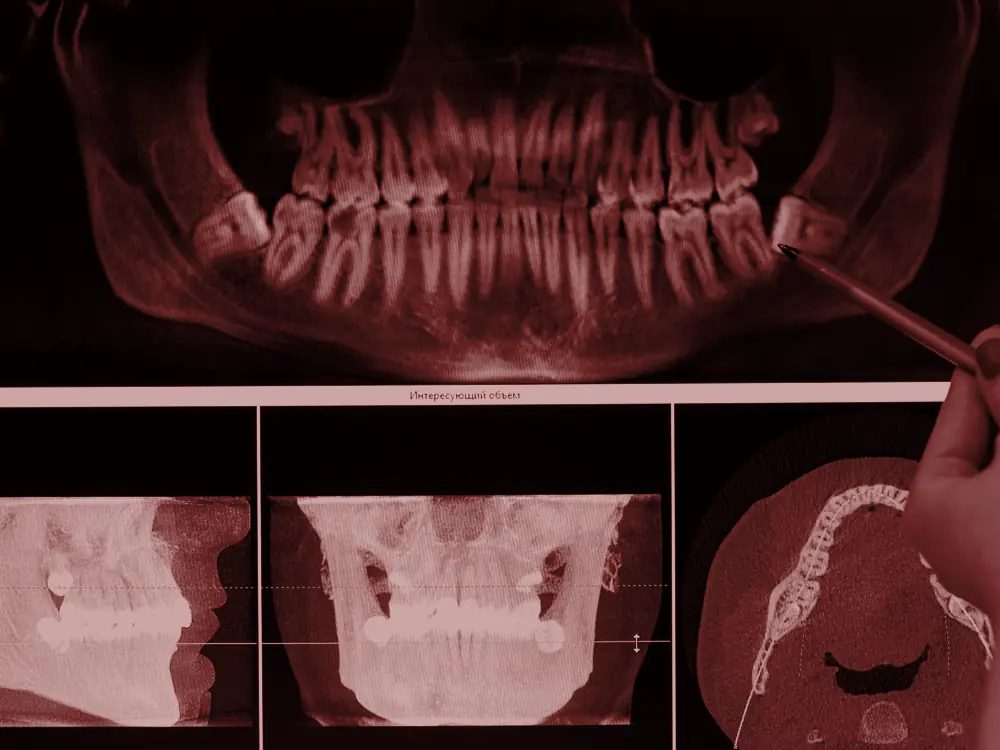
The free consultation includes an examination of your teeth, gums and bite, a conversation about what you want to change, an honest view on whether aligners suit you, and a likely price range for your case. There is no obligation to go ahead.
If aligners suit you, the next step is accurate impressions so your plan can be prepared and reviewed. If they do not, you leave knowing what kind of treatment would.
Bring previous x-rays or orthodontic records if you have them. They often answer questions that would otherwise need new tests.
Minor fixes
Yes. Aligners are well suited to small problems such as one turned tooth, a slight overlap of the lower front teeth or a narrow gap, and these plans are often among the shortest we make.
Small cases still need a proper examination and a retainer afterwards. A minor change can relapse as easily as a large one if nothing holds it.
Short plans usually sit at the lower end of the PKR 2 to 5 lakh range, because they need fewer trays.
Alternatives
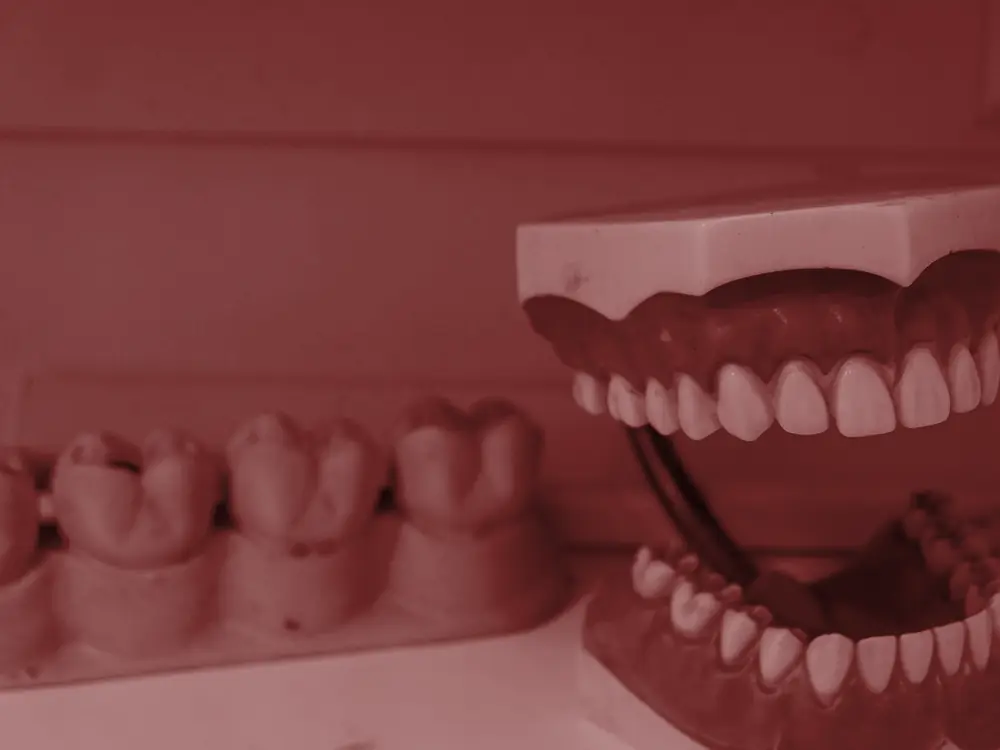
Aligners are usually the better first choice for a straighter smile because they move your natural teeth without removing tooth structure, while veneers disguise crooked teeth by covering them, often after shaving enamel away. Veneers suit teeth that are also discoloured, chipped or worn.
Many patients do both in the right order: aligners first to place the teeth well, then veneers or bonding if they still want to change shape or colour. Straight teeth need far less preparation for veneers.
Ask at your consultation which approach suits your teeth, and why.
Referrals
Yes. Dr Farwa Shahid reviews cases referred to us by other clinics in Lahore and central Punjab, so your own dentist can refer you for aligner treatment while continuing your general dental care.
Many patients prefer it that way. Your family dentist keeps looking after fillings, cleaning and check ups, while the aligner plan is reviewed and made by our team.
Dentists who want to offer aligners to their own patients can also work with our laboratory directly; our page on clear aligners for dentists explains how.
Beyond the city

Yes. Patients from across central Punjab are part of the case load Dr Farwa Shahid reviews, so travelling into Lahore for the key appointments is common. The consultation, impressions and fitting are the visits that need you in the room.
Tell us at booking how far you are travelling. Appointments can be grouped to reduce trips, and trays can be issued in sets so you are not driving in for every change.
If Sargodha is closer, our teeth aligners in Sargodha page has the details of the consultant there.
What aligners fix
Aligners fix most mild to moderate tooth position problems and many dental bite problems. Each one below has its own guide.
Spaces anywhere in the smile, including between the front teeth. See aligners for gaps between teeth.
Teeth that moved once retainer wear stopped, often a quick plan.
Results
Real results from our aligners look like these cases, each treated with trays from our laboratory.
 After

 After

 After

Timeline
Aligners take at least about six months of active treatment for simple cases, then about six months in the retainer phase; crowded teeth and bite corrections take longer. Your plan's tray count, at roughly a tray a week, gives the estimate for your own case.
Cases move at the pace the teeth allow, not the pace a calendar demands. Each tray moves teeth a fraction of a millimetre, and that small step is what keeps movement comfortable and controlled.
The guide to how teeth aligners work goes through each stage of treatment in detail.
Lahori food
Yes, you can enjoy Lahori food while wearing aligners, because the trays come out for every meal. Paye, nihari, halwa puri and a late night food street outing are all fine, as long as the trays are out while you eat and your teeth are clean before they go back in.
The trick for long dinners and dawats is to eat in one sitting rather than nibbling for hours, then clean up and put the trays back in. Every hour they spend in the case is an hour your teeth are not moving.
Carry the case and a folding toothbrush when you eat out. Wrapping trays in a napkin is how most of them end up in the bin.
Winter
Manage chai and hot drinks by taking the trays out before you drink, having your cup in one go rather than sipping for an hour, and rinsing your mouth before the trays go back in. Heat can warp the plastic and sugar trapped under a tray sits against the teeth.
Winter in Lahore means more tea, coffee and kahwa, which makes this the season wear time slips. Pairing hot drinks with meals, when the trays are out anyway, keeps the hours up.
Plain water is the only drink that can stay in with the trays, hot or cold weather alike.
Healthy teeth

Keep your teeth healthy during treatment by brushing and flossing before every tray goes back in, drinking only water with the trays in, and keeping your regular dental check ups. Trays hold whatever is on your teeth against them for hours, so clean teeth matter more than usual.
Gums can look a little puffy early in treatment if cleaning is rushed. Better flossing usually settles it, and your clinician will check gum health at reviews.
Removable trays make all of this easier than with braces, where food collects around brackets and wires.
Small details
The small bumps on aligner teeth are attachments: tooth coloured composite shapes bonded to some teeth so the trays have something to grip and push against. They help with rotations and with moving teeth up or down, which smooth trays struggle to do alone.
Attachments are placed at the start, take a few minutes, and are polished off at the end without damaging the teeth. Not every plan needs them, and your clinician will show you where yours will go.
Our guide to how teeth aligners work explains attachments and the other techniques aligner plans use.
Making space
Sometimes, very slightly. Some plans need a little space between crowded teeth, and it is made by polishing a small, planned amount of enamel from the contact points, a step called interproximal reduction or IPR. It is painless and the amount is limited to what each tooth can safely lose.
Not every case needs it, and you will know before treatment starts. IPR often helps the result too, by reshaping triangular teeth so they sit together without dark gaps near the gums.
Day one
On your first night with aligners, wear the trays to bed, take a painkiller you normally use if the pressure bothers you, and eat something soft for dinner before putting them back in. Sleeping through the first hours makes the adjustment much easier.
Practise removing and seating the trays a few times with the tools from your kit, working from the back teeth forward. Press the trays into place with your fingers rather than biting them in.
Expect a slight lisp and a tight feeling the next morning. Both ease within days.
Gum health
You can have aligners after gum disease has been treated and is stable, but not while it is active. Moving teeth through inflamed gums risks losing more of the bone that supports them.
The order is simple: gum treatment first, a period to confirm the gums are healthy, then aligners with careful monitoring. Removable trays make cleaning easier than braces, which helps patients with a history of gum problems.
Your clinician checks the gums at the consultation and at every review.
Fine tuning
Some people need refinements because a tooth has not kept pace with the plan, usually through lower wear time, trays changed early, or a rounded tooth that the trays struggle to grip. A short extra series of trays finishes the job.
Refinements are planned from new impressions and made in our laboratory in Pakistan, so the pause in treatment is short.
They are common, especially with rotations, and are a normal part of reaching a precise result rather than a sign that something went wrong.
Pauses
If you stop wearing aligners midway, your teeth start drifting back towards where they were, and the next tray may no longer fit. Call us as soon as you can; depending on how long it has been, you may restart from an earlier tray or need new impressions.
Short breaks for illness or travel are manageable if you tell us. Long silent gaps are what turn a smooth plan into a restart.
A common complaint
Yes. Crowding of the lower front teeth is one of the most common things aligners fix, and it often appears in adulthood even in people whose teeth were straight as teenagers. Small amounts of space are made, and the teeth are lined up over a series of trays.
Because lower crowding tends to come back, a retainer afterwards is essential, and a bonded wire behind the lower front teeth is sometimes recommended alongside a clear retainer.
Nervous patients
Yes, aligners are often a good option for nervous patients because treatment usually involves no drilling and no injections: impressions, small tooth coloured attachments and trays you change yourself at home. Most appointments are short checks.
Tell us at booking if you are anxious. The clinician can explain each step before it happens, and you can stop and ask questions at any point.
If you need fillings or gum treatment before aligners, ask about that too, so you know what to expect from start to finish.
Finishing touches
Yes, whitening after aligner treatment is a popular finishing step, done once the attachments have been removed so the colour comes out even. Straight teeth also reflect light more evenly, so many people find they need less whitening than they expected.
Ask your dentist for professional whitening rather than strong products bought online, which can make teeth sensitive.
After the trays

Keep your new smile by wearing a retainer: about six months of regular wear after the last tray, then night time wear for the long term. Teeth drift towards their old positions if nothing holds them, and the first months are the riskiest.
Your retainer is made in our laboratory from impressions taken at the end of treatment, so it fits the smile you finished with. Read more about clear retainers and how to look after them.
Fillings and crowns
Yes, adults with crowns or fillings can usually have aligners, as long as the restorations are sound and the gums are healthy. The plan simply takes them into account, and attachments may be placed on natural teeth rather than on porcelain.
Implants are different: an implant cannot move, so the plan works around it. Bridges move as one unit, which also shapes what the trays can do.
If you are planning new crowns or veneers, straightening first can make that work more conservative. Mention it at your consultation.
Teenagers
Lahore teenagers should have aligners when their case suits them and they will reliably wear the trays 22 hours a day; braces suit teenagers who are unlikely to keep that routine or whose case needs movements trays do poorly.
Aligners have real advantages for school years: no broken brackets, no food rules, easy brushing and photos without metal. The trade off is responsibility, which is why parents are part of the conversation.
Our article on clear aligners for teens covers safety, timing and the questions families ask.
Accidents
If you lose or break a tray, call us; you will usually move to the next tray or back to the previous one while a replacement is made in our laboratory from your case file. Because the lab is in Pakistan, you are not waiting on a shipment from abroad.
Keep your previous tray in its bag for exactly this reason. It holds your teeth in place until the replacement arrives.
The kit
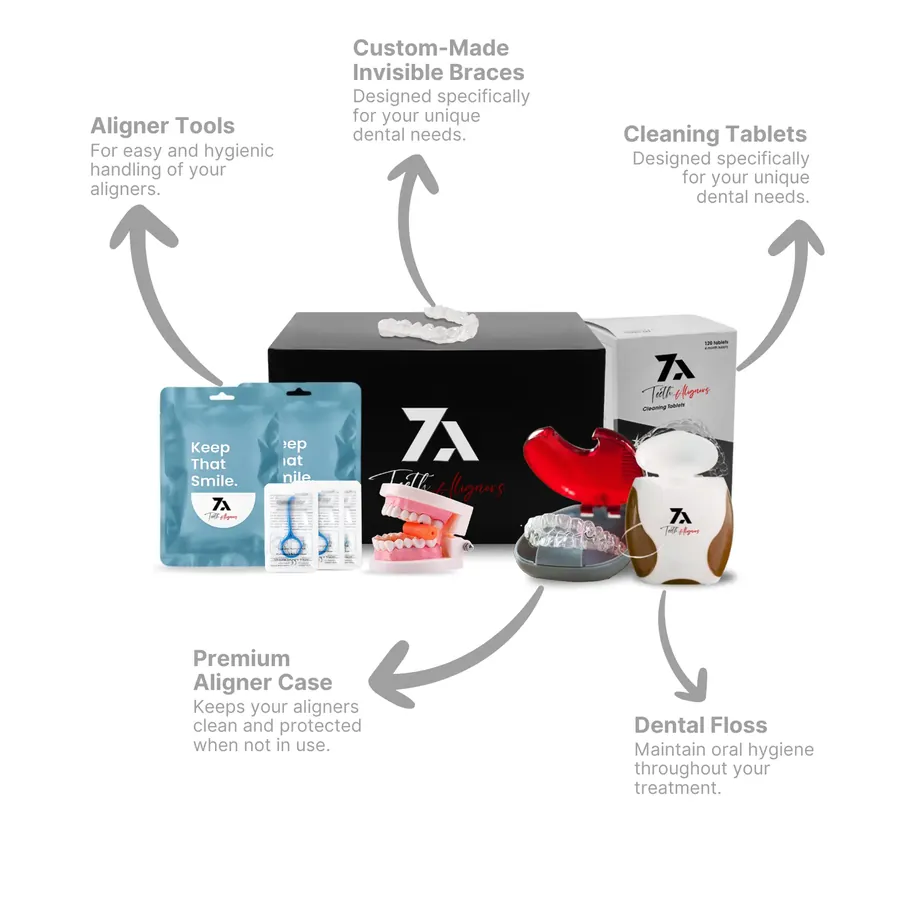
The Teeth Aligners kit holds your numbered trays, a premium aligner case, aligner tools to remove and seat the trays, cleaning tablets and dental floss. You go home with everything you need for daily wear.
Use the tools for the first weeks while removal still feels awkward, soak the trays with the tablets to keep them clear, and floss before they go back in each time.
An optional Water Pik device is worth considering if you find flossing around tight contacts difficult.
Tray care
Clean your trays with cool water and a soft brush each time they come out, then soak them with the cleaning tablets from your kit. Skip toothpaste, which scratches the plastic, and never use hot water, which warps it.
A tray that looks cloudy or smells is telling you the routine needs more time. Clean trays stay nearly invisible on the teeth.
Our laboratory
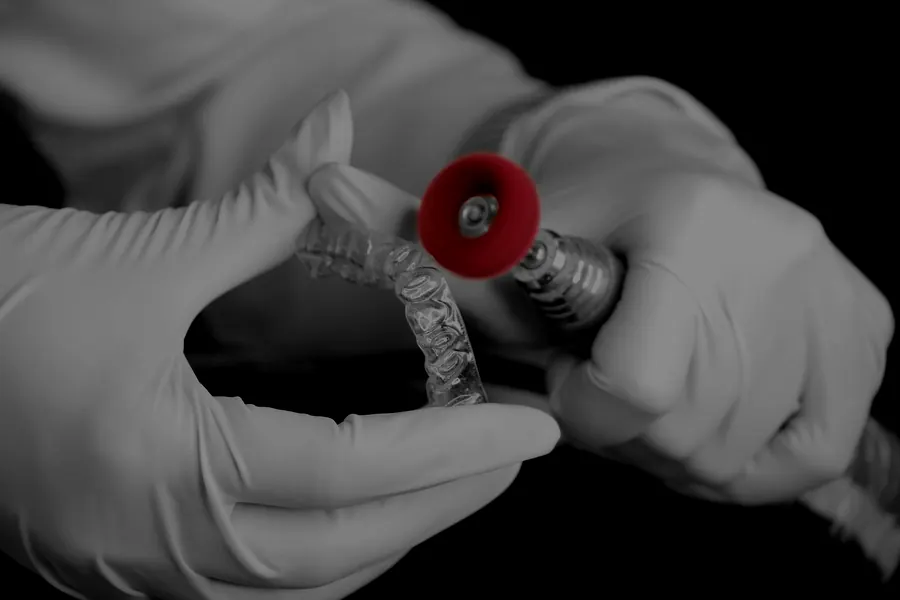
Your aligners are made in our own laboratory in Pakistan: a model of each stage of your plan is 3D printed, clear sheet imported from the USA is thermoformed over it, and each tray is trimmed, polished by hand, checked and numbered.
Most aligners sold in Pakistan were made somewhere else. Being the laboratory ourselves is what lets us keep the price in rupees and remake a tray quickly when you need one.
Other clinics buy their aligners from our laboratory, which is the clearest vote of confidence a lab can get.
Your diary
You will visit us in Lahore for the consultation, the impressions and the fitting, then for reviews at the intervals your clinician sets for your case. Tray changes happen at home, roughly every week, between those visits.
Reviews keep the plan honest. They are where a tray that is not seating, an attachment that has come loose or a tooth that is lagging gets noticed and dealt with.
Comfort
Aligners hurt very little for most people: expect a day or two of pressure with each new tray, which fades as the teeth settle into it. There are no wires to tighten and no brackets to rub the cheeks.
Starting each new tray at bedtime helps, as does soft food on the first evening. A sharp edge is not normal; call us and it can be smoothed.
Talking
Aligners may give you a slight lisp for the first few days, but speech returns to normal quickly as your tongue adjusts. Reading aloud or talking more in the first days speeds it up.
Teachers, presenters and people on calls all day wear aligners without trouble once the first week has passed.
Habits
No, do not smoke with aligners in. Smoke stains the trays yellow, and heat and nicotine discolour the teeth trapped beneath them. Take the trays out, and clean your teeth before they go back in.
Every break with the trays out also costs wear time, so treatment is a good moment to cut down.
Family abroad
Yes. Relatives living abroad can be assessed on a video call, receive an impression kit by courier, and have their trays sent from our laboratory, with a photo check about twelve days into each tray.
If they are visiting Lahore, they can start in person and continue from home afterwards. Our page for teeth aligners from abroad explains the process.
Free consultation
Share your details and our team will call you to arrange an assessment in Lahore. For a quicker reply, call or WhatsApp 0330 3050007.