
01
In person check
Which teeth sit on the wrong side, and is the cause tooth position or jaw width?
Teeth Aligners / Aligners for crossbite
Aligners for crossbite can correct many mild crossbites, especially a single front tooth biting behind the lower teeth or back teeth that sit slightly inside the lower ones. A crossbite is a bite relationship, not just a crooked tooth, so mild dental cases respond to aligners while skeletal ones need an in person assessment before anything is promised.
The short answer
Mild cases, yesSkeletal crossbites need more than traysYes, for mild dental crossbites. Aligners can correct a single front tooth caught behind the lower teeth and many back teeth that sit slightly inside the lower ones. Crossbites caused by a narrow upper jaw or mismatched jaw sizes may need an expander, braces or, in adults, surgery.
Because the cause decides the treatment, every crossbite starts with an in person examination, and sometimes an x-ray, before any plan or price. We will not promise a crossbite result from photos alone.
How we do it
We treat a crossbite by working out which teeth are crossed, whether the cause is dental or skeletal, and whether your jaw shifts to one side as you close. Dental crossbites are planned with aligners, approved by a clinician and made in our laboratory; skeletal ones are referred.
Why Teeth Aligners
Choose Teeth Aligners for a crossbite because we separate the cases aligners can fix from the ones they cannot before you spend anything, and the cases we take on are planned, made and followed up by one team.
Crossbites are assessed in person, including how your jaw moves as you close.
When the jaw itself is narrow, we say so rather than promise what trays cannot do.
Your trays are made in our own laboratory, which keeps a full course within PKR 2 to 5 lakh.
If a tooth needs extra movement, refinement trays come from the same lab, not from abroad.
The crossbite correction shown on this page is one of our patients.
Consultations in Islamabad, Rawalpindi, Lahore, Sargodha and Gilgit.
Book a free crossbite check and find out whether aligners for crossbite can correct your bite.
The basics
A crossbite is when some upper teeth sit inside the lower teeth when you bite together, instead of just outside them. Normally the upper teeth close slightly outside the lower teeth all the way round. In a crossbite, one or more teeth are on the wrong side.
A crossbite can affect a single tooth, a group of front teeth or the back teeth on one or both sides. When all the lower front teeth sit in front of the upper ones, it is usually called an underbite.
Crossbites are easy to miss, because they rarely hurt. Many people only find out they have one at a dental check.
Kinds of crossbite
Aligners treat most single tooth and mild dental crossbites well, while a narrow upper jaw or mismatched jaws call for other tools. Here is the usual verdict for each kind of crossbite.
| Kind of crossbite | Aligners | What it involves |
|---|---|---|
| One front tooth behind the lower teeth | Good | Tooth moved forward over the bite, often with space made first |
| Several front teeth, dental | Often | Front teeth moved forward, lower teeth sometimes back |
| Back teeth slightly inside, dental | Often | Back teeth tipped outward a little with each tray |
| Back teeth inside from a narrow upper jaw | Limited | An expander in children; sometimes surgery in adults |
| Underbite from tooth position | Mild cases | Upper front teeth forward, lower front teeth back |
| Underbite from jaw size | Limited | Growth treatment in children or surgery in adults |
| Crossbite with crowding | Often | Space made, teeth aligned, bite corrected in one plan |
Whether a crossbite is dental or skeletal is decided at an examination, sometimes with an x-ray. That decision comes before any plan or price.
Why it happens
A crossbite is usually caused by a narrow upper jaw, crowding that pushes a tooth out of line, or a mismatch in the size of the jaws, often inherited. Childhood habits such as long term thumb sucking and mouth breathing, and milk teeth lost early or late, can also lead to one.
If the upper arch is narrower than the lower one, the upper back teeth close inside the lower ones. This is a common cause of back crossbites.
When there is not enough room, a front tooth can come through behind the arch and get caught behind the lower teeth. These single tooth crossbites often respond well to aligners.
A lower jaw that is large relative to the upper jaw can put several or all front teeth in crossbite. This is inherited and is the cause of most true underbites.
Thumb sucking and breathing through the mouth can narrow the upper arch as a child grows, and a milk tooth that stays too long can deflect the adult tooth behind the arch.
Why treat it
A crossbite should be treated because it can wear and chip the teeth involved, push the lower teeth and gum out of position, and make the lower jaw shift to one side when you close. In children, a crossbite left alone can affect how the jaws grow.
When a front tooth is in crossbite, the lower tooth it bites against is pushed forward with every bite, which can thin the gum on its front surface over time. Back crossbites can make the jaw slide sideways to fit the teeth together.
Some mild crossbites cause no problems and may not need treatment. The examination tells you whether yours is likely to cause wear, gum or jaw problems, and whether treating it is worthwhile.
Front teeth
Yes, often. A single front tooth caught behind the lower teeth is one of the crossbites aligners correct best. The trays make space if needed and move the tooth forward until it clears the lower teeth and sits in front of them.
Moving a tooth over the bite needs the bite to allow it. The plan sequences the movements so the tooth can pass the lower teeth, and the lower teeth may be moved slightly back at the same time.
Several front teeth in crossbite can also be corrected when the cause is tooth position. When the whole lower jaw is forward, the problem is skeletal, and aligners may only improve it.
Back teeth
Sometimes. Aligners can correct a mild back crossbite where the upper back teeth are tipped slightly inward, by tipping them outward a little with each tray. A back crossbite caused by a narrow upper jaw usually needs the jaw itself widened, which aligners cannot do.
In children, a narrow upper jaw is often widened with a palatal expander while the jaw is still growing, which is the most effective time to correct it. In adults, the jaw has stopped growing, so a skeletal back crossbite may need surgically assisted expansion for a full correction.
Many adults choose an improvement rather than a full correction, accepting a small crossbite that causes no problems. The clinician explains what each option would achieve.
Underbite
Aligners can fix a mild underbite when it comes from the position of the teeth, by moving the upper front teeth forward and the lower front teeth back. An underbite caused by a large lower jaw usually needs growth treatment in children or jaw surgery in adults for a full correction.
The difference is visible at the examination: a dental underbite often shows when the jaw is gently guided back, the front teeth can meet edge to edge. A skeletal underbite does not allow that.
Mild underbites are among the cases where an honest assessment matters most. We explain what aligners can and cannot achieve before you decide.

Teeth or jaw
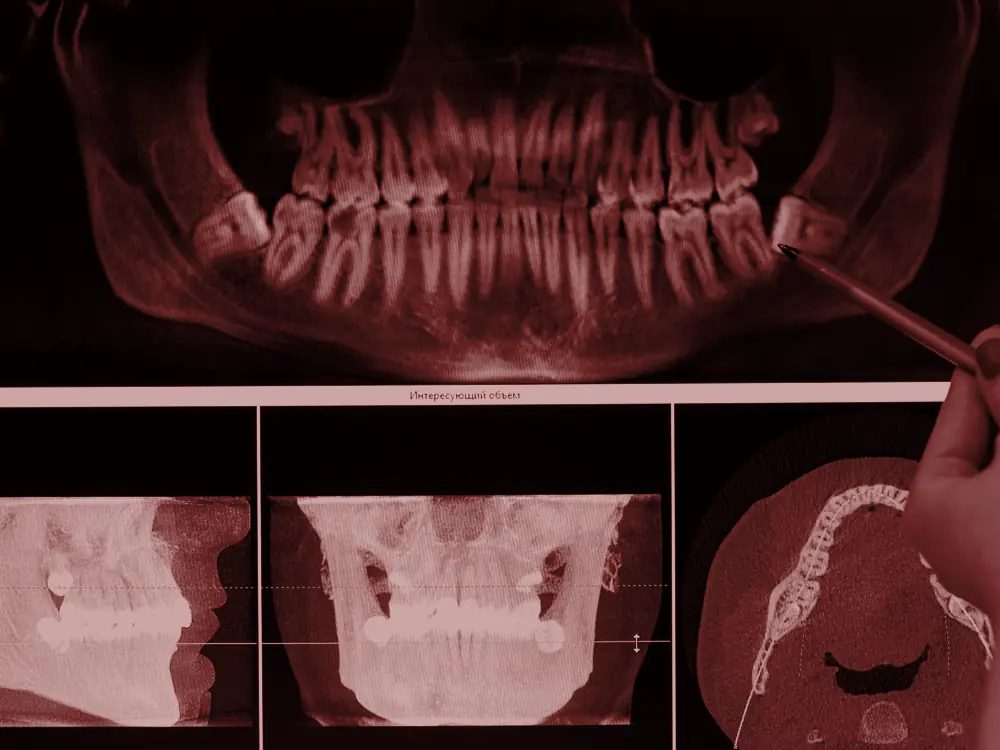
A clinician tells the two apart in the chair, by checking the width of each arch, whether your jaw slides when you close and which way the teeth lean, sometimes with an x-ray as well. Tooth position means a dental crossbite; jaw width or size means a skeletal one.
Some crossbites are a mix of both. In those cases, aligners can correct the dental part and the clinician explains how much of the rest they can change.
How it works
Aligners correct a dental crossbite by moving the teeth involved to the correct side of the bite: tipping back teeth outward, or moving a front tooth forward over the lower teeth, a small planned step with each tray. Both arches are usually planned together.
Moving a tooth past the opposite teeth needs the plan to account for the bite at every stage. Attachments may be added for grip, and some plans use small elastics between the trays. Your plan shows exactly what your case needs, and our guide to how teeth aligners work explains each part of treatment.
Where crowding caused the crossbite, space is made first, so the tooth has somewhere to go.
A real case
A crossbite treated with our aligners went from upper teeth closing inside the lower ones to a normal bite, as this real patient case shows.
 After

Treatment time
Fixing a crossbite with aligners usually takes longer than closing a gap, because the bite changes and both arches are often treated. A single tooth crossbite can be relatively quick; a back crossbite or a combined case takes longer. Most plans run beyond six months, followed by a retainer phase.
Your plan lists its trays before you begin, and at about a week each, that count tells you the length. Crossbite plans often finish with a few refinement trays, so the corrected teeth seat firmly against the opposite arch.
Children
In children, a crossbite is often treated early, while the jaws are still growing, because a narrow upper jaw is easiest to widen at that stage and a jaw that shifts sideways can grow unevenly. Treatment is usually with an expander or other appliance under an orthodontist.
NHS guidance on orthodontics makes the same point, that treatment is planned around an assessment of how the teeth and jaws fit (NHS on orthodontics). For parents, the practical step is a check at around seven or eight, when the first adult incisors are in.
Teenagers whose crossbite is dental, rather than a narrow jaw, are usually good aligner candidates.
Adults
Yes, when the crossbite is dental. Adults with a single tooth crossbite or a mild back crossbite from tipped teeth often correct it with aligners. Adults with a skeletal crossbite from a narrow upper jaw or mismatched jaws may need surgically assisted expansion or surgery for a full correction.
Adults need a gum check first. A tooth in crossbite can thin the gum on the lower tooth it bites against, and the gums must be healthy before any tooth is moved.
Many adults come to us after noticing a front tooth that has always sat behind the others. Those single tooth cases often respond well.
Gum health
A front crossbite can damage the gum. When an upper tooth bites behind a lower tooth, it pushes the lower tooth forward with every bite, which can thin the gum and bone on the front of that lower tooth and lead to recession.
This is one reason a single tooth crossbite is worth correcting even when it does not bother you cosmetically. Correcting it removes the force on the lower tooth.
If the gum is already receding, the clinician will check it before treatment and may advise a gum assessment.
Jaw
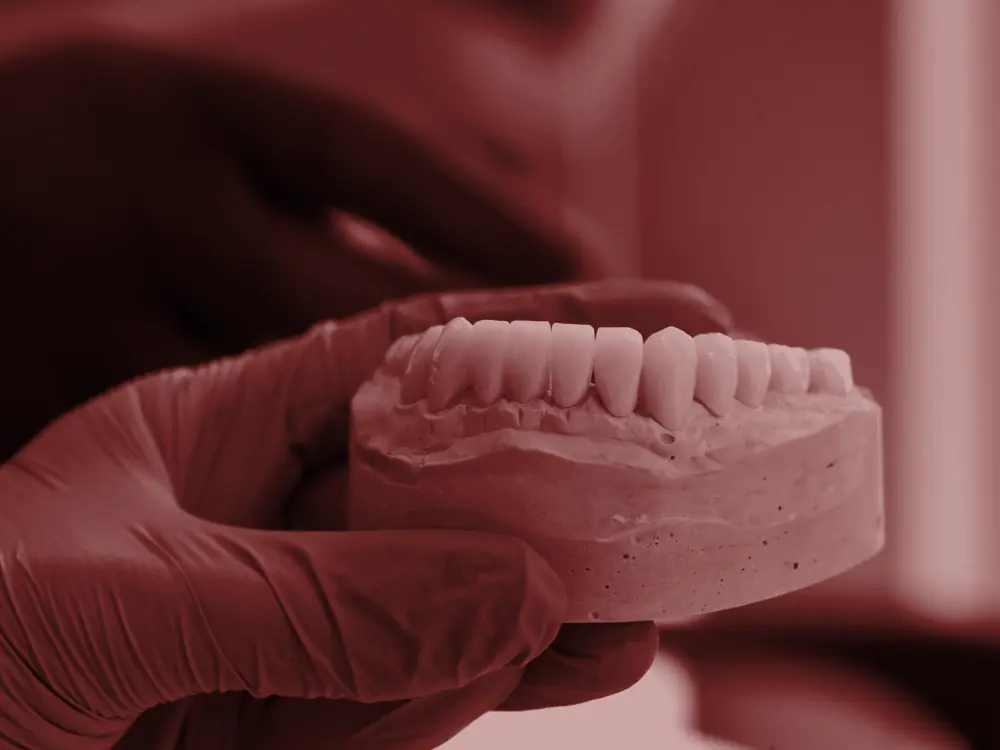
A crossbite can make the lower jaw slide to one side to fit the teeth together, and in children this can affect how the jaw grows. In adults, a sliding jaw may add to muscle or joint strain, yet grinding, clenching and stress cause jaw pain too, so the cause has to be found first.
If your jaw clicks, aches or seems to close off centre, tell the clinician at the examination. Understanding the cause before treatment matters for planning and for honest expectations.
Over time
A crossbite does not usually correct itself, and the damage it causes, such as wear, chipping and gum thinning on the lower teeth, tends to build up over the years. In children, a crossbite with a jaw shift can become harder to correct as growth continues.
That is why crossbites are often treated earlier than purely cosmetic crowding. Even a mild crossbite is worth having checked so you know whether it is likely to cause problems.
Combined cases
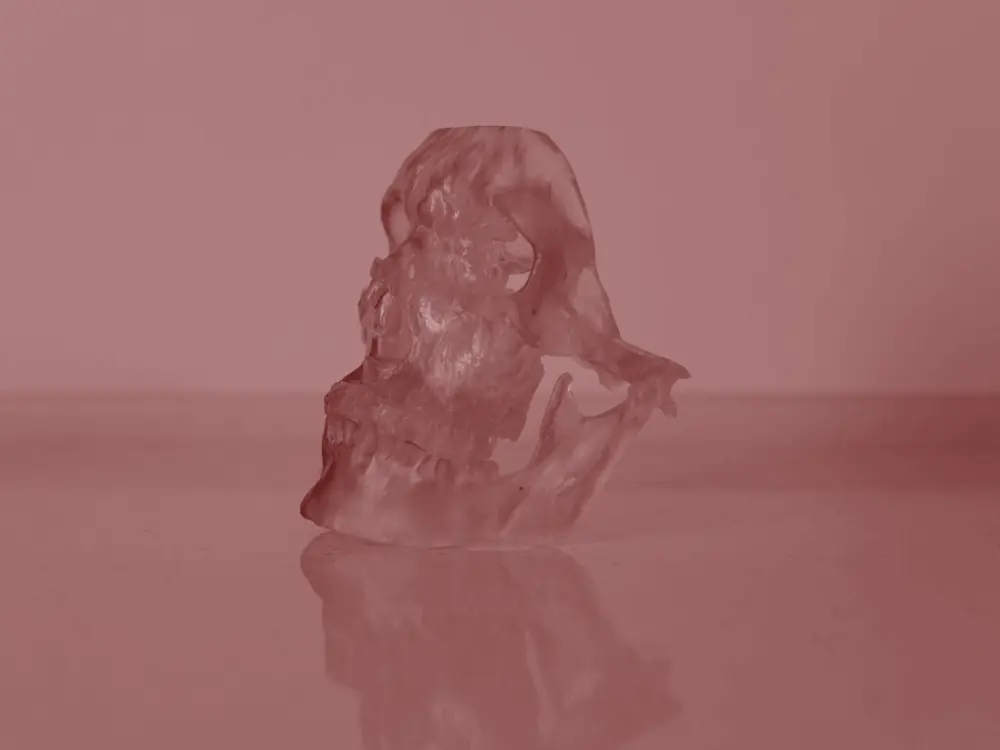
Yes. Crossbites often come with crowding, and aligners correct both in one plan: making space, aligning the teeth and moving the teeth in crossbite to the correct side of the bite.
Crowding on its own, without a crossbite, is covered in detail on our page about aligners for crooked teeth.
Wear time
Wear time matters even more in crossbite cases, because moving a tooth past the opposite teeth needs steady pressure, and a tray left out lets the tooth fall back towards the bite it is leaving. Our video explains what happens when aligners are not worn properly.
Bite cases are where twenty two hours a day makes the biggest difference between a plan that finishes on time and one that needs extra trays.
The assessment
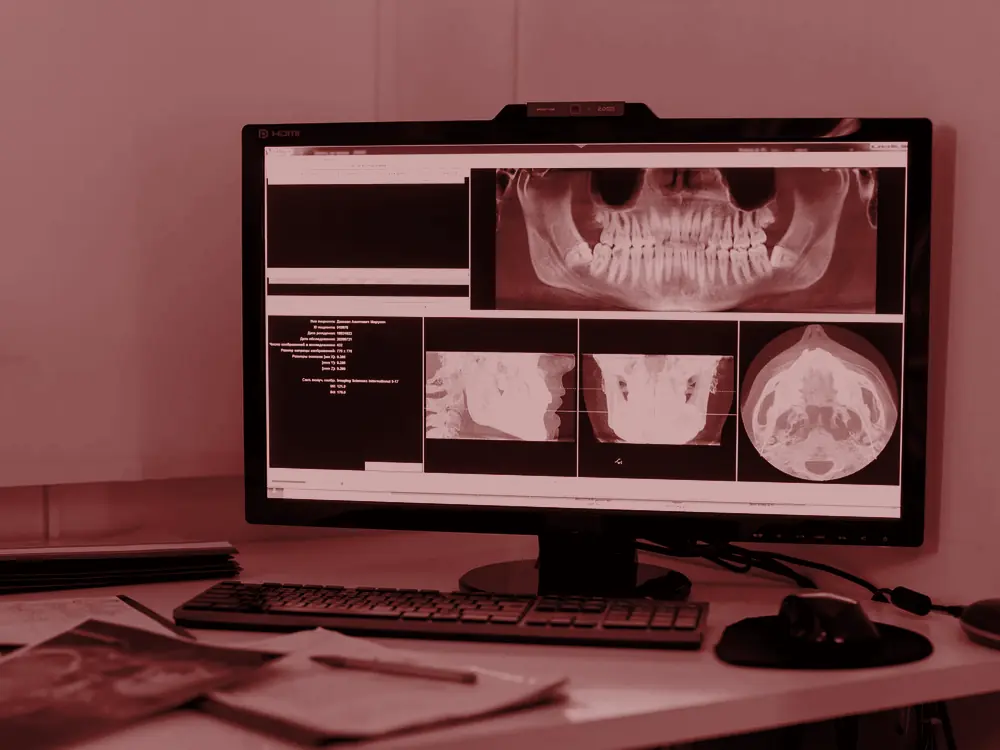
At a crossbite assessment, a clinician checks which teeth are in crossbite, how the jaws relate, whether the jaw shifts when you close, and the health of the gums around the teeth involved. An x-ray may be advised.
Expect questions about thumb sucking or mouth breathing as a child, clicking or aching in the jaw, and what you dislike about your bite. You leave knowing which of three paths fits: aligners alone, aligners with an improvement rather than a full correction, or an expander, braces or surgery.
When aligners are the right path, a scan is taken that day and your plan and price follow in writing.
Spotting it
The common signs of a crossbite are an upper tooth that sits behind the lower teeth when you bite, back teeth that close inside the lower ones, and a jaw that slides to one side as you close. These are worth having checked.
One upper front tooth sits behind the lower front teeth when you bite together.
The upper back teeth close inside the lower back teeth on one or both sides.
The lower jaw slides sideways to fit the teeth together, so the chin looks off centre.
The teeth involved show flat or chipped edges from rubbing against each other.
The gum on the front of a lower tooth looks thin or receded.
All the lower front teeth sit in front of the upper ones, an underbite.
Your treatment
Five stages take a crossbite from first check to retainer, and the first stage settles whether trays can do the job for your particular bite.
Which teeth sit on the wrong side, and is the cause tooth position or jaw width?
A scan of both arches, then the crossing movement mapped stage by stage.
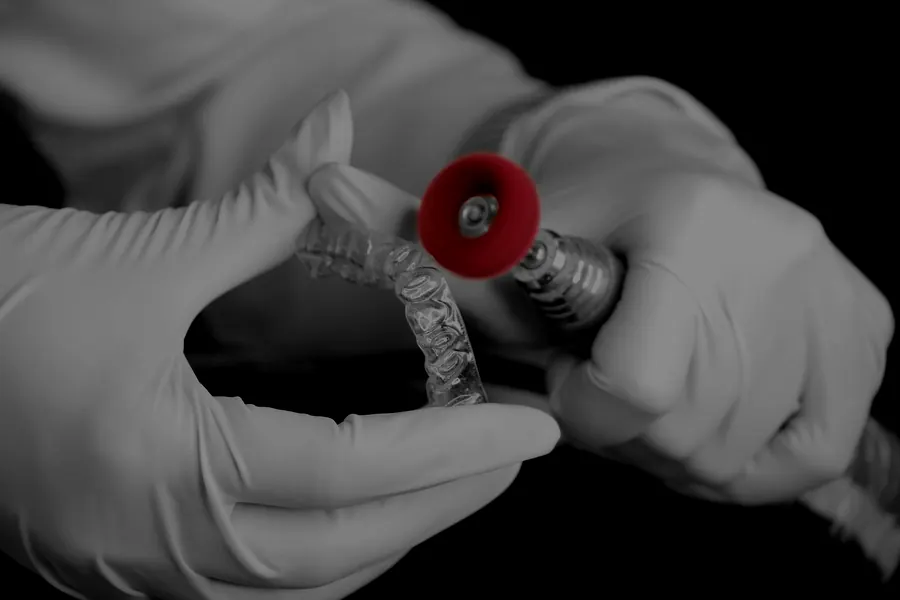
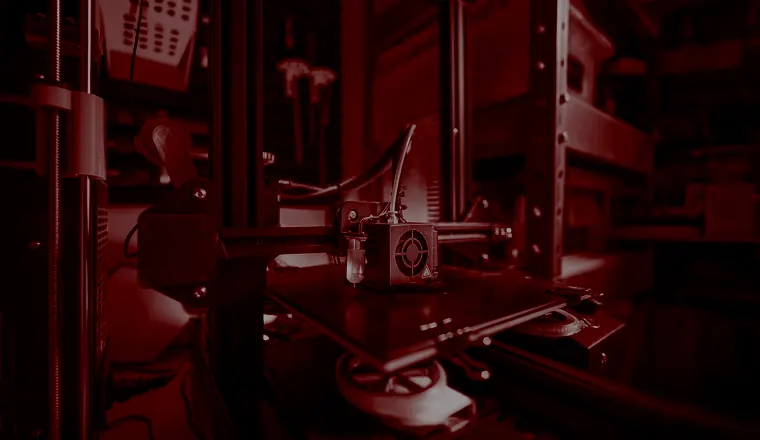
Models printed and trays formed and finished by our Pakistan laboratory team.

A week per tray, worn all day and night, with the bite reviewed as teeth cross over.
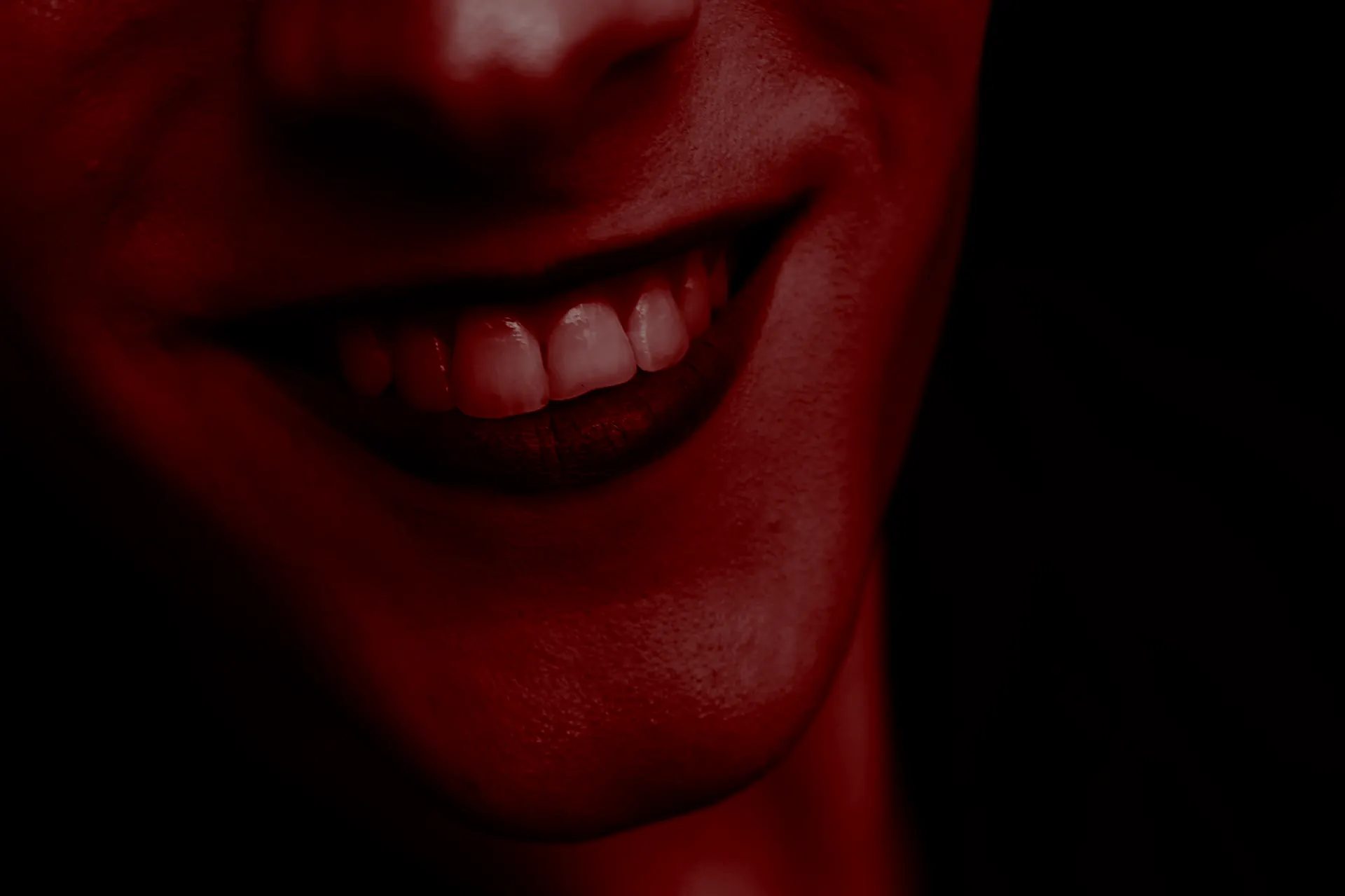
Retainers keep each corrected tooth on the right side of the bite.
Cost
A crossbite corrected with our aligners falls within our full course range of PKR 2 to 5 lakh. One tooth caught behind the others is often at the lower end; a back crossbite, or a crossbite combined with crowding, usually costs more because the plan has more trays. Your written plan gives the exact total.
For a full breakdown of what changes the figure, see our aligners price in Pakistan guide.
The opposite problem
A scissor bite is the opposite of a back crossbite: an upper back tooth sits completely outside the lower tooth, so the two slide past each other like scissor blades instead of meeting. It is less common than a crossbite and usually affects one or two premolars or molars.
Because the teeth do not meet at all, a scissor bite can make chewing on that side less effective and can let the teeth over erupt. Aligners can often bring a single tooth in scissor bite back into contact by tipping it inward.
Like a crossbite, a scissor bite is assessed in person first, because the cause can be the tooth, the width of the arch or both.
Eating
A crossbite can make chewing less efficient on the affected side, because the teeth do not meet the way they should. Many people with a mild crossbite chew without noticing anything, while others find they favour one side.
A back crossbite that makes the jaw slide sideways means the muscles work a little differently every time you close. Over years, some people notice tiredness or tightness in the jaw muscles on one side.
During aligner treatment, eating is not affected, because the trays come out for every meal.
Breathing
Mouth breathing in childhood is linked to a narrower upper jaw, which is a common cause of back crossbites. When the mouth stays open, the tongue rests low instead of against the roof of the mouth, and the upper arch can develop narrower as a result.
This is one reason children with a back crossbite are often asked about snoring, blocked noses and allergies. Treating the breathing problem, as well as widening the jaw while the child is growing, gives the best long term result.
In adults, the jaw has finished growing, so the crossbite is treated directly, but the history still helps explain why it developed.
Relapse
A crossbite that returns after braces can often be corrected again, once a clinician has found out why it returned. Back crossbites corrected by tipping teeth outward are the most likely to drift back, especially when retainers were stopped early.
If the original crossbite was caused by a narrow upper jaw that was never widened, the teeth may keep drifting back toward the crossbite. In that case, the honest options are a retainer to hold an improvement, or treatment of the jaw width itself.
Bring any old orthodontic records you have to the assessment, because they show how the first treatment was done.
One arch
Sometimes. A single upper tooth caught behind the lower teeth can occasionally be corrected by moving only the upper arch. Most crossbites, though, are planned with both arches, because the correction depends on how the upper and lower teeth meet.
Treating both arches lets the plan move each tooth the shortest safe distance, often moving a lower tooth slightly back while the upper tooth comes forward. The clinician explains which approach your case needs.
At home
No. A crossbite cannot be safely corrected at home, and a retainer holds teeth in place rather than moving them across the bite. Trays bought online without an examination cannot tell whether the cause is the teeth or the jaw.
Pushing a tooth across the bite without a plan can damage the gum and bone around it, especially on the lower tooth it bites against. A crossbite needs a clinically planned appliance and regular checks.
One side
Yes. A crossbite on one side is often caused by the jaw sliding sideways to find a comfortable bite, while a crossbite on both sides usually means the whole upper arch is narrow. The first can sometimes be corrected by adjusting a few teeth; the second usually needs the arch itself widened.
The sliding jaw is the key sign. If, when you close slowly, your teeth first touch in the middle and then the jaw slips to one side, the crossbite may be functional rather than structural, which often makes it easier to treat.
The clinician checks this by guiding your jaw gently as you close, which takes only a moment at the examination.
Front teeth
A front tooth in crossbite chips easily because its thin edge takes the force of biting against the lower teeth at an angle it was never shaped for. Over time, both that tooth and the lower tooth it hits can wear, chip or develop small cracks along the edge.
Once the tooth sits in front of the lower teeth, it meets them the way it should, and the chipping stops. Any edges already worn can be repaired with bonding after the bite is corrected, if you want them to look even. Doing it in that order matters, because bonding placed while the tooth is still in crossbite would chip just as the enamel did.
Honest limits
Braces or expanders are better than aligners when the upper jaw is too narrow, when the crossbite is skeletal, or when large movements need the constant control of a wire. Growing children with a narrow upper jaw usually do best with an expander first.
Where the crossbite is dental, trays usually win on comfort and discretion, and our comparison of aligners vs braces sets out the trade offs in full.
Expectations
With aligners for crossbite, you can expect the teeth involved to move to the correct side of the bite, as shown in your digital plan, when the crossbite is dental and the trays are worn as prescribed. When jaw width is part of the problem, expect a better bite rather than a perfect one, and you will hear that before you agree to anything.
Retention is part of the result. A corrected crossbite needs retainers to hold the teeth on the correct side while the bone settles.
Keeping it
A corrected crossbite can relapse if retainers are not worn, particularly a back crossbite that was corrected by tipping teeth outward. Wearing retainers as advised keeps the teeth on the correct side of the bite.
Plan on regular retainer wear for around half a year once the trays finish, then retainers at night from then on. A front tooth that now clears the lower teeth is often helped to stay put by the bite itself.
Finding treatment
Teeth Aligners offers aligners for crossbite in Islamabad, Rawalpindi, Lahore, Sargodha and Gilgit, always after the bite has been examined in person, and our own laboratory in Pakistan makes every tray.
If you live abroad, plan your first crossbite appointment around a trip home; photos show alignment well but not how the jaws close. Later checks can usually be done by photo.
You can meet the clinicians who treat aligner patients on our doctors page.
Questions
Yes, for mild dental crossbites, such as a single front tooth caught behind the lower teeth or back teeth tipped slightly inward. Crossbites from a narrow upper jaw or mismatched jaws may need an expander, braces or surgery.
Often, yes. A single front tooth behind the lower teeth is one of the crossbites aligners correct best, by making space and moving the tooth forward over the bite.
Aligners can fix a mild underbite that comes from tooth position. When the lower jaw itself is too large, children are treated while growing and adults may need jaw surgery for a full fix.
Sometimes. Mild back crossbites from tipped teeth often respond to aligners. Back crossbites from a narrow upper jaw usually need the jaw widened, which aligners cannot do.
A crossbite is rarely painful but can wear and chip teeth, thin the gum on the lower teeth and make the jaw shift sideways. In children, it can affect how the jaws grow.
Often, yes. A narrow upper jaw widens most easily during growth, and a sideways jaw shift can lead to uneven growth. Book a check at around seven or eight years old.
A single tooth crossbite can be relatively quick; back crossbites and combined cases take longer. Most plans run beyond six months, followed by a retainer phase.
Not always. When it is unclear whether jaw width or tooth position causes the crossbite, an x-ray settles it, and the clinician will say if yours needs one.
A crossbite can make the jaw shift sideways, which may contribute to strain in some people. Jaw pain has many causes, so it needs a proper assessment before treatment.
A corrected crossbite can relapse if retainers are not worn, especially a back crossbite. Wearing retainers as advised keeps the teeth on the correct side of the bite.
Crossbite treatment with our aligners is priced within PKR 2 to 5 lakh. One tooth in crossbite usually costs less than a back crossbite or a combined case.
Many can, when the crossbite is dental. Skeletal crossbites in adults may need surgically assisted expansion or surgery for a full correction, though aligners can sometimes improve them.
A crossbite with a jaw shift can make the chin look slightly off centre. Correcting a dental crossbite can remove the shift; skeletal asymmetry needs more than aligners.
Yes, with one in person visit at the start. Photos cannot show how your jaws close, so the first check happens in Pakistan, and later progress checks can usually be done by photo.
Sometimes. Small rubber elastics hooked between the trays can help pull a tooth across the bite. If your plan uses them, the clinician shows you how to fit them.
Crossbite correction feels like firm pressure when each tray starts and fades within a day or two. It should never be sharp; a rough tray edge can be smoothed in minutes.
Not exactly. A crossbite can affect one tooth or a group of teeth. An underbite is when all the lower front teeth sit in front of the upper ones, a type of front crossbite.
A scissor bite is when an upper back tooth sits completely outside the lower tooth, so the two slide past each other. Aligners can often bring a single tooth in scissor bite back into contact.
No. A retainer holds teeth in position; it cannot move a tooth across the bite. Crossbites are corrected with aligners, braces or an expander, then held with a retainer.
Yes. Teeth in crossbite can rub against each other at odd angles, which wears and chips the edges over time. Correcting the crossbite removes that rubbing.
When both sides are in crossbite, the upper arch is often narrow, which aligners can only partly correct. Mild cases from tipped teeth may respond; a narrow jaw usually needs expansion.
Yes, usually for the better. A front tooth that sat behind the others moves into line with its neighbours, and the smile looks more even. Back crossbite corrections mostly change how the teeth meet rather than how the smile looks.
Yes, for children who still have the habit. Thumb sucking can narrow the upper arch and push it back toward a crossbite, so the habit needs to stop for the correction to hold.
The first step is an in person bite check. You will learn whether the cause is your teeth or your jaw, and what trays, an expander or other treatment could realistically change.
Keep reading
One in person visit answers it: which teeth cross, why, and whether aligners can bring them to the right side of the bite.