

01
Finding the cause
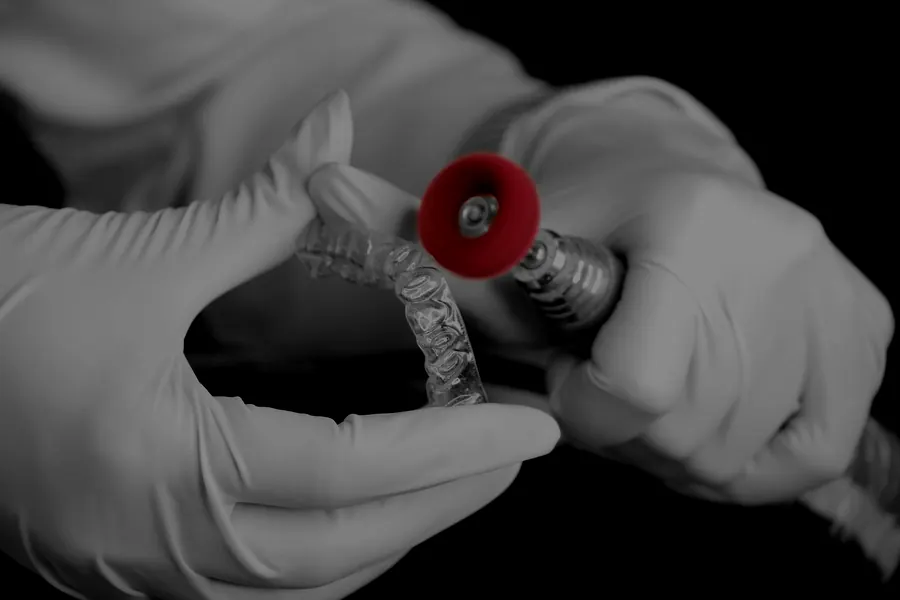
Gap measured, swallowing and tongue position watched, jaws assessed.
Teeth Aligners / Aligners for open bite
Aligners for open bite can bring the front teeth together when they do not meet as you bite, provided the cause has been found first. An open bite often has a tongue habit, a childhood thumb habit or the shape of the jaws behind it, and the cause decides whether trays alone will close it and, just as important, whether it stays closed.
The short answer
Cause firstThen trays, if the cause allowsAligners can fix many mild to moderate open bites that come from the position of the teeth, by moving the front teeth together vertically. Open bites driven by a tongue habit need that habit addressed too, and open bites from the shape of the jaws may need surgery for a full correction.
Because an open bite so often has a habit or a jaw shape behind it, nothing is promised until a clinician has examined the bite in person and found the cause. That step also predicts how likely the bite is to reopen afterwards.
How we do it
We treat an open bite by tackling the cause as well as the teeth: a tongue thrust, a thumb or finger habit, or the way the jaws have grown. Where the open bite is dental and the habit can be controlled, a clinician approves an aligner plan and our laboratory makes the trays.
Why Teeth Aligners
Choose Teeth Aligners for an open bite because we treat the habit behind it, tell you honestly when aligners are not enough, and keep your plan, trays, refinements and retainers with one team.
We look at the tongue and habits, not only the teeth, so the bite has a chance to stay closed.
Skeletal open bites are explained and referred, not sold as an aligner case.
Trays made in Pakistan with no import margin, at PKR 2 to 5 lakh for a full course.
A clinician approves your plan before manufacture, stage by stage.
The open bite result on this page is one of our own patients.
Retainers and follow up are built into the plan from the beginning.
Book a free consultation and find out whether aligners for open bite suit your case.
The basics
An open bite is when some teeth do not touch when you close your mouth. Most often it is the front teeth: the back teeth meet, but a vertical gap remains between the upper and lower front teeth. This is called an anterior open bite.
Less commonly, the back teeth fail to meet while the front teeth do, which is called a posterior open bite. Both are vertical problems, different from an overbite, where the front teeth overlap too much, and from a crossbite, where teeth meet on the wrong side.
People with an open bite often notice they cannot bite through food such as noodles, a sandwich or a thin slice of fruit with their front teeth.
Kinds of open bite
Open bites from tooth position respond best to aligners; open bites from jaw shape respond least. Each kind, with what treating it usually involves:
| Kind of open bite | Aligners | What treating it involves |
|---|---|---|
| Mild front open bite from tooth position | Good | Front teeth brought together vertically |
| Open bite from a thumb or dummy habit, habit stopped | Good | Teeth guided back once the habit has ended |
| Open bite with tongue thrust | Often, with habit work | Trays plus awareness of tongue position, careful retention |
| Open bite with crowding | Often | Space made and teeth aligned as the bite closes |
| Open bite from long lower face growth | Limited | Often braces with jaw surgery in adults |
| Back teeth open bite | Case by case | Cause assessed; sometimes a tooth that never fully erupted |
| Open bite that reopened after braces | Often | Cause rechecked, then correction and long term retention |
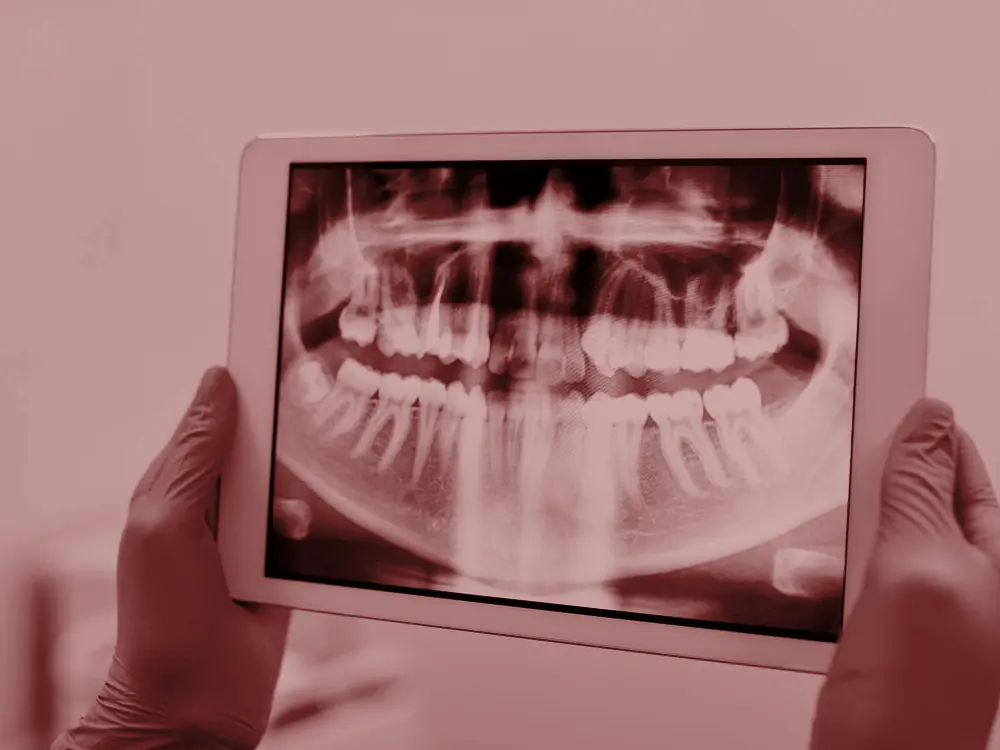
Telling a tooth position open bite from a jaw shape one needs an examination and, often, an x-ray. Until that is done, no plan or price is given.
Why it happens
An open bite is most often caused by a habit that kept something between the front teeth during childhood, such as thumb sucking or a dummy, or by a tongue that pushes forward between the teeth when swallowing or at rest. Some open bites come from the way the jaws grew, with the lower face growing longer than usual.
A thumb or dummy held between the front teeth for years stops them coming together and can tip the upper teeth forward. When the habit stops early, a mild open bite sometimes closes by itself.
Some people push the tongue forward between the front teeth every time they swallow, or rest it there. That gentle, constant pressure holds the front teeth apart and is the main reason open bites reopen after treatment.
Breathing through the mouth, often because of a blocked nose or large adenoids, keeps the tongue low and the mouth open, which is linked to open bites developing in childhood.
When the jaws grow more vertically than usual, the back teeth meet but the front teeth cannot reach each other. This skeletal type is the hardest to treat without surgery.
Why treat it
An open bite is worth treating because it makes biting with the front teeth difficult, can affect speech, and puts all the chewing force on the back teeth, which can wear them faster. Many people also dislike how the gap looks when they smile or speak.
When the front teeth never meet, they lose their job of cutting food, and the back teeth do everything. Over the years, that uneven load can wear the back teeth and strain the jaw muscles in some people.
A small open bite that causes no trouble may not need treatment, and the examination tells you whether yours is likely to cause problems or get worse.
How it works

Aligners close a dental open bite by changing the vertical position of the teeth: gently bringing the front teeth down and up towards each other, and in some cases moving the back teeth slightly up into the gum so the front teeth can meet. Each tray makes a small vertical change.
Vertical movements need grip, so attachments are commonly placed on the front teeth for these cases. Where the front teeth are also tipped forward, the plan brings them back as it closes the gap, which often helps the bite close on its own.
Wearing the trays all day matters especially here, because the trays also sit between the tongue and the teeth, taking away some of the pressure that held the bite open. Our guide to how teeth aligners work covers attachments and each stage in more detail.
The tongue
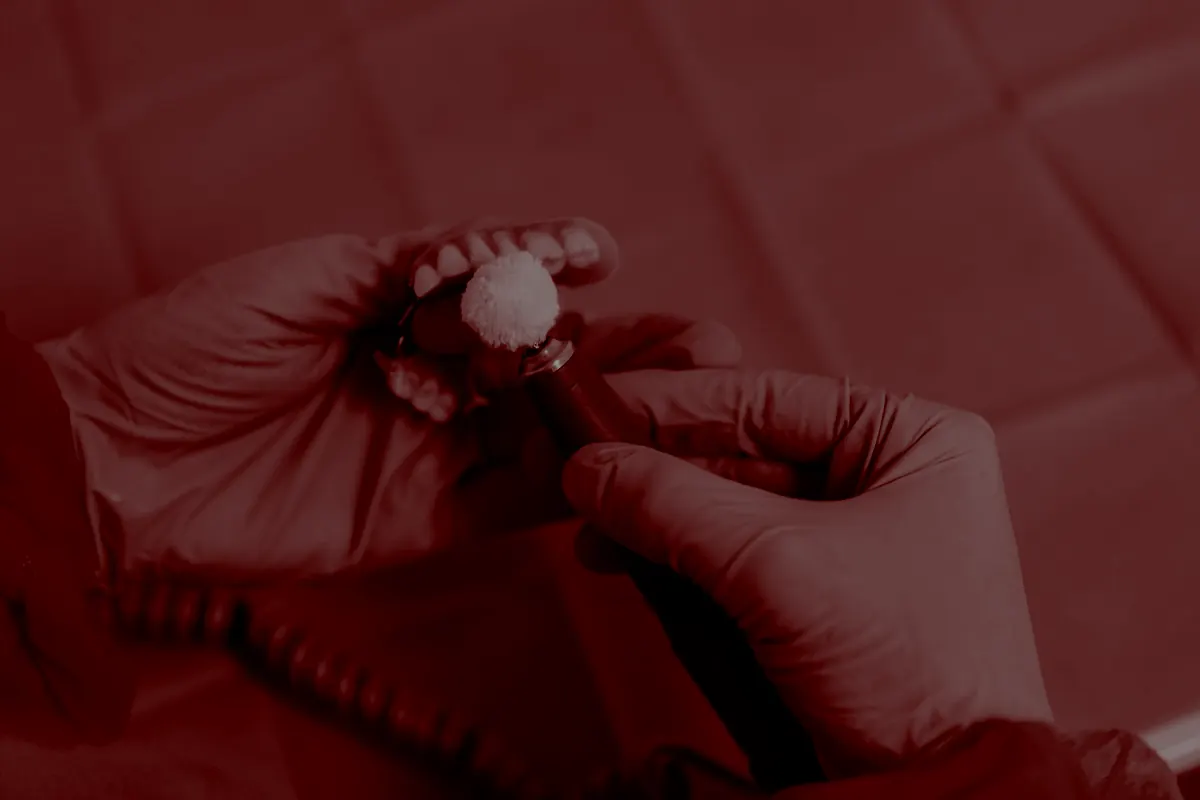
The tongue matters because a tongue that rests or pushes between the front teeth will slowly reopen a bite that treatment has closed. Correcting the teeth without addressing the tongue is the most common reason an open bite comes back.
Patients are shown where the tongue should rest: against the roof of the mouth, just behind the upper front teeth, with the lips closed. Some are advised to practise simple tongue exercises alongside treatment.
A real case
An open bite treated with our aligners moved from front teeth that did not touch to front teeth meeting when biting, as this real patient case shows.
 After

Treatment time
Closing an open bite with aligners usually takes many months, because vertical tooth movements are slow and the bite has to be checked as it changes. Mild dental open bites can close sooner; combined cases with crowding or a tongue habit take longer, and a long retention period follows.
Your plan states its number of trays up front, so the treatment length is known before you agree to it. Vertical movements are where refinement trays are most often needed at the end, to bring the last teeth fully into contact.
Without surgery
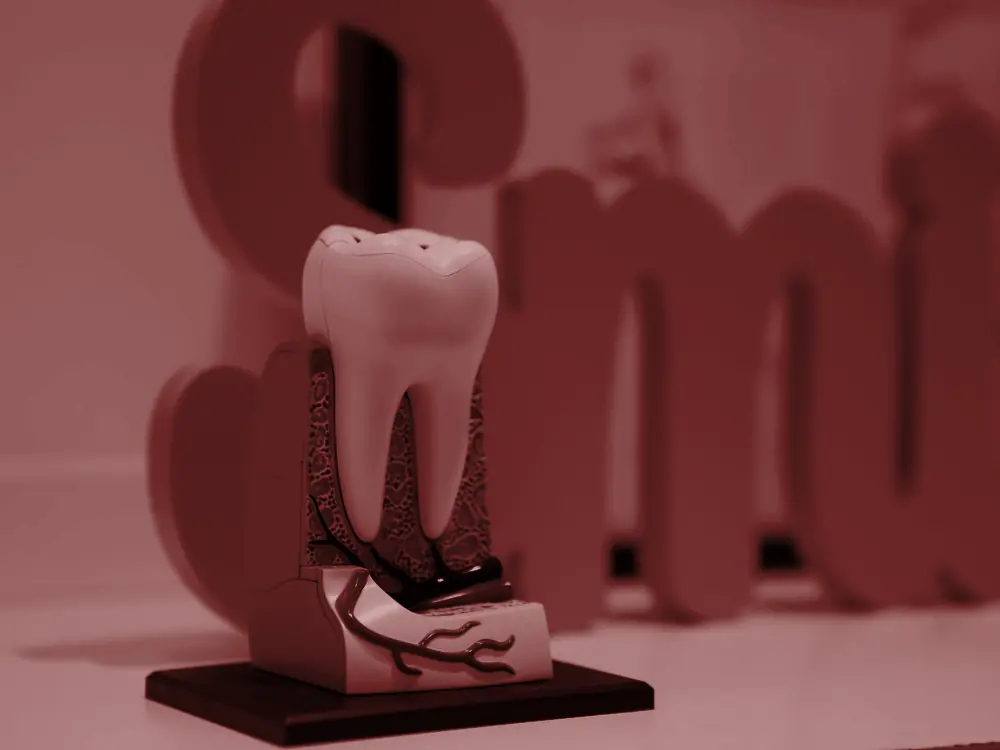
Yes, many can. Open bites from tooth position or habits are usually closed without surgery, with aligners or braces. A severe skeletal open bite in an adult, where the lower face grew long, may need jaw surgery combined with orthodontic treatment for a full and stable correction.
Some adults with a skeletal open bite choose to improve it with orthodontic treatment alone, accepting a smaller gap rather than surgery. The clinician explains what that would achieve and how stable it is likely to be.
If surgery is the honest answer for your bite, you are told so and referred, rather than offered trays that cannot close it for good.
Speech
An open bite can cause a lisp, especially on s, z, sh and th sounds, because the tongue slips into the gap between the front teeth when speaking. Not everyone with an open bite has a lisp, and closing the bite does not always remove one that has become a habit.
Where speech is a concern, the clinician may suggest speech and tongue exercises alongside treatment. The tongue habits that affect speech are often the same ones that hold the bite open, so the two are worth addressing together.
Eating
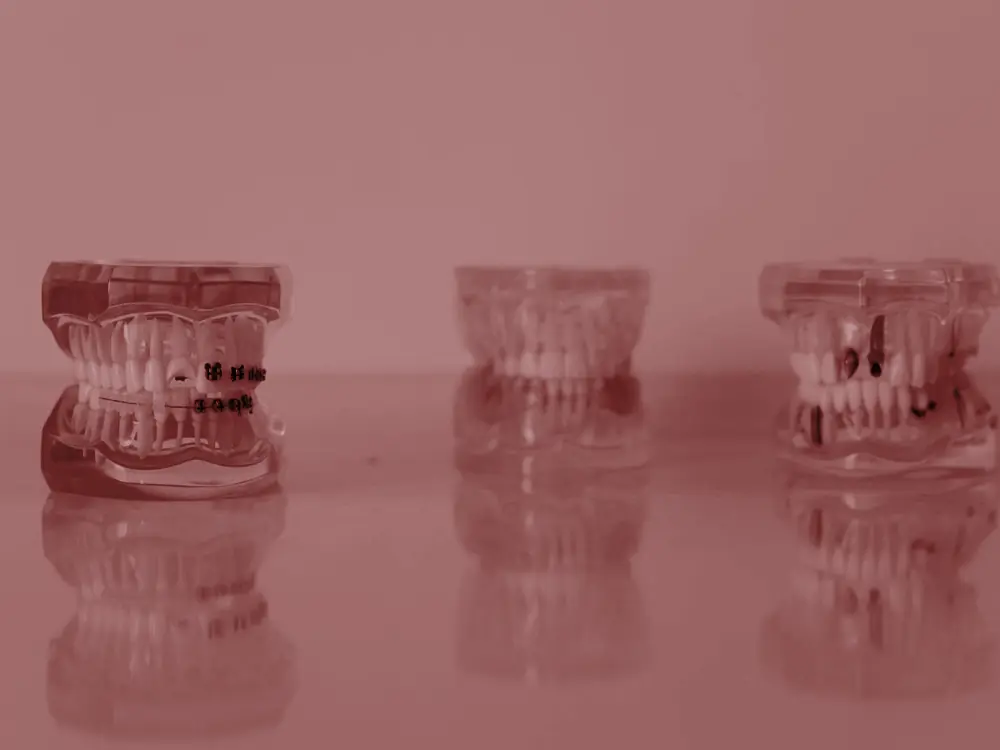
An open bite makes it hard to bite through food with the front teeth, so people with one often tear food with their side teeth or cut it into small pieces without thinking. Thin foods such as noodles, lettuce and sliced fruit are the most noticeable.
Because the back teeth take all the chewing load, they can wear faster over the years. Closing the bite shares the work between the front and back teeth again.
During treatment, the trays come out for meals, so eating is not restricted.
Children
Sometimes. A mild open bite in a young child caused by thumb sucking or a dummy can close by itself once the habit stops, often before the adult teeth come through. If the habit continues, or the bite stays open after it stops, the child should be assessed.
Persistent tongue thrust and mouth breathing are worth having checked in children, because both can keep an open bite from closing and affect how the jaws grow. NHS guidance on orthodontics reflects the same approach: timing depends on the individual assessment (NHS on orthodontics).
Teenagers with an open bite from tooth position, once the adult teeth are through, can often be treated with aligners.
Adults
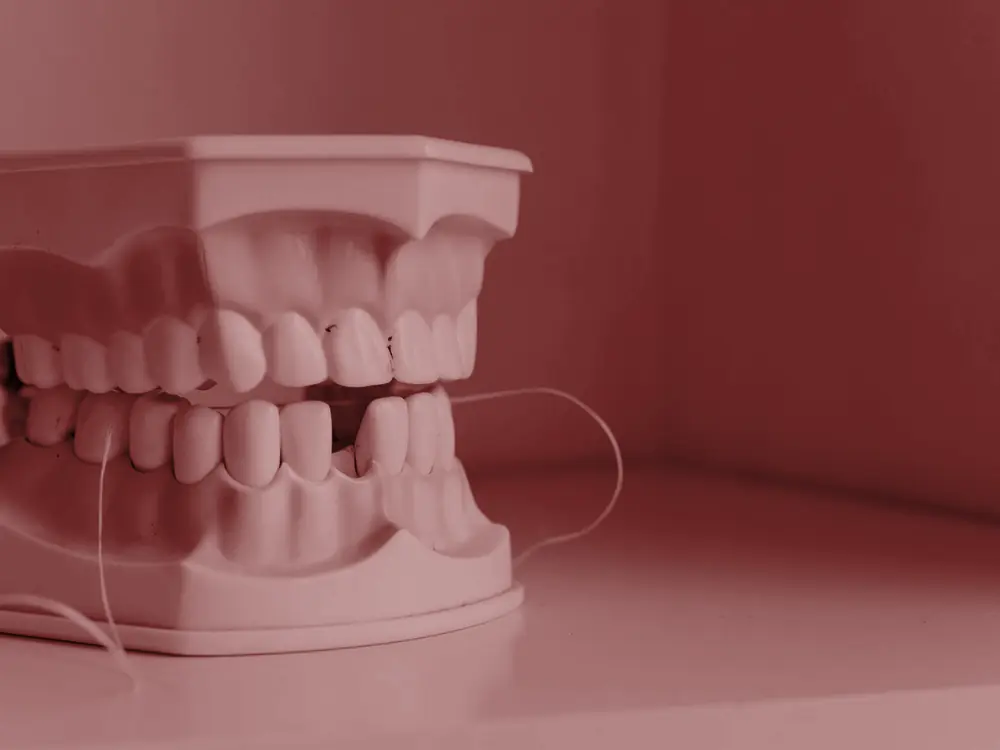
Yes, when the open bite comes from tooth position or a habit rather than the shape of the jaws. Many adults close a mild to moderate open bite with aligners. Adults with a severe skeletal open bite usually need braces with surgery for a full correction.
Adults often have had the bite for decades, and the tongue habit that came with it is deeply ingrained. That is why adult open bite plans pay particular attention to retention.
As with any adult case, the gums are checked first and treated if needed before any tooth is moved.
Keeping it closed
An open bite can reopen, and it is one of the bite problems most prone to relapse, mainly because the tongue habit that helped cause it often continues. Long term retention and attention to tongue position are what keep the bite closed.
Retention for open bites is often longer than for other cases, sometimes with a retainer bonded behind the front teeth as well as a removable one worn at night. Some patients keep a night retainer indefinitely.
If the bite does start to reopen, catching it early makes it much easier to correct again.
Back teeth
A posterior open bite is when the back teeth do not meet while the front teeth do. It is less common than a front open bite and can be caused by a tooth that never fully came through, by the tongue resting between the back teeth, or by how the jaws developed.
A back tooth that has stopped coming through, sometimes because it has fused to the bone, may not move with any appliance, and the clinician checks for this first. Where the teeth can move, aligners may help bring them into contact.
Habits
Yes. Thumb sucking, nail biting, chewing on pens and resting the tongue between the teeth all need to stop, or at least be well under control, for an open bite to close and stay closed. Otherwise the same pressure that opened the bite works against the treatment every day.
For adults, simply becoming aware of a habit is often enough to reduce it. For children, the clinician may suggest ways to help them stop. Starting treatment while a strong habit continues usually leads to disappointment.
Watch
Wearing aligners for a bite problem feels much like any aligner treatment: trays in all day and night, out only for meals and brushing, with a new tray about every week. Our short video gives a feel for life with aligners.
Open bite plans add one more habit to the routine: noticing where your tongue rests, and keeping it up and back rather than between the teeth.

The assessment
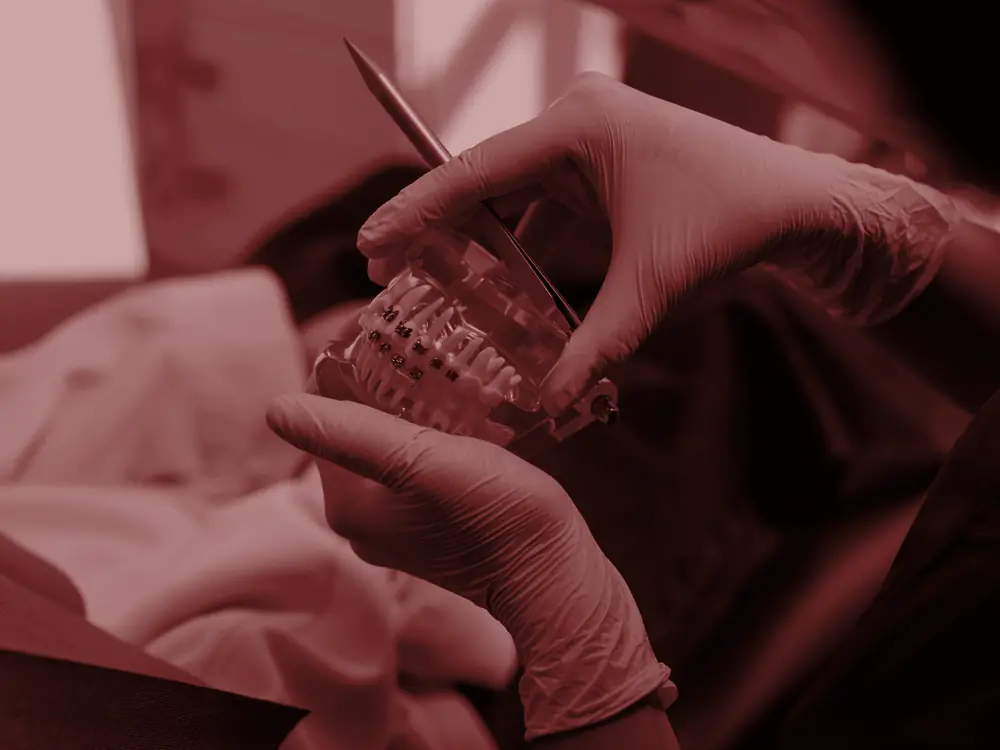
At an open bite assessment, a clinician measures the gap between the front teeth, watches how you swallow and where your tongue rests, asks about childhood habits and breathing, and checks how the jaws relate, often with an x-ray. The goal is to find the cause before choosing the treatment.
You leave knowing whether your open bite is mainly dental, mainly a habit, mainly skeletal or a mixture, and what that means: aligners, aligners plus habit work, braces, or a referral for surgery.
If aligners suit your case, your teeth are scanned and a written plan and price follow.
How to tell
The main sign of an open bite is a visible gap between the upper and lower front teeth when your back teeth are together. These related signs are worth mentioning at an examination.
With the back teeth together, light shows between the upper and lower front teeth.
Biting through noodles, lettuce or a sandwich with the front teeth is difficult.
The tongue tip shows between the front teeth when you swallow or speak.
S and sh sounds come out slightly slurred or whistled.
The lips do not close easily over the teeth when relaxed.
The back teeth show wear from doing all the chewing.
Your treatment
Open bite treatment with aligners moves through five stages, and habit control runs alongside every one of them where the tongue is involved.
Gap measured, swallowing and tongue position watched, jaws assessed.

Teeth scanned and the closing movement mapped, with attachments where grip is needed.
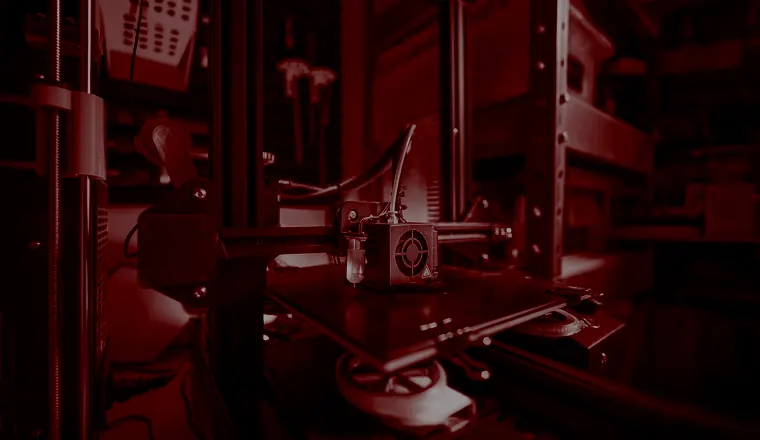
Each stage printed and formed in our Pakistan laboratory.

A week per tray, worn almost all day, while practising the right tongue resting place.
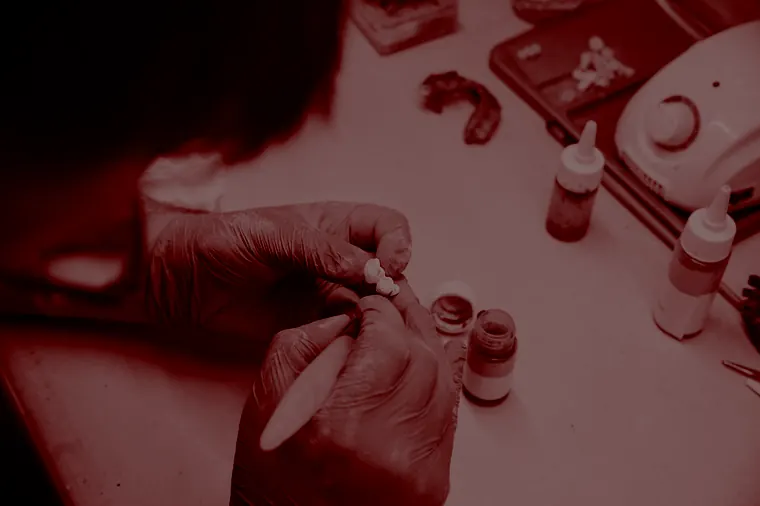
Retainers, often including a bonded wire, to keep the bite closed.
Cost
Open bite treatment with our aligners is priced within our PKR 2 to 5 lakh range, and it usually sits toward the upper part because vertical movements need more trays and closer checks. A mild dental open bite can cost less than a combined case with crowding.
Your total is confirmed in writing once your plan is ready. See aligners price in Pakistan for what moves the figure.
Why it takes time
Vertical movements are slower because the teeth have to move along their length, either further out of the gum or further into it, and the bone and gum around them have to adapt in that direction. Moving a tooth sideways or tipping it is generally quicker.
Bringing front teeth down is usually easier than pushing back teeth up, and both need steady, light pressure over many trays. That is why open bite plans have more trays than gap closure, and why skipping wear time shows up quickly as teeth that do not meet.
The plan breaks the vertical change into small steps, and attachments give the trays something to grip so each step actually happens.
Measuring it
An open bite is measured as the vertical gap between the edges of the upper and lower front teeth when the back teeth are together, usually in millimetres. The clinician also notes how many teeth are involved and whether the gap is the same on both sides.
That measurement, together with the cause, guides the plan. A small gap from tipped teeth is a very different case from a larger gap across several teeth with a long lower face, even if both look similar in a photo.
Muscle habits
Myofunctional therapy is a set of exercises that retrain the tongue, lips and facial muscles, teaching the tongue to rest against the roof of the mouth and to stay behind the teeth when swallowing. It is used alongside orthodontic treatment when a tongue habit is part of an open bite.
The exercises are simple but need daily practice for weeks or months, because they replace a habit that may be decades old. They are usually guided by a therapist trained in this work.
Not every open bite needs formal therapy. Many adults reduce a tongue habit simply by becoming aware of it, which is why tongue position is explained at the start of treatment.
Breathing
Yes, where possible. Mouth breathing keeps the mouth open and the tongue low, which works against an open bite closing. If a blocked nose, allergies or enlarged adenoids cause it, seeing a doctor about the breathing problem helps the orthodontic result last.
In children, treating the breathing problem early can also help the jaws develop more normally. In adults, nasal breathing at rest is a habit worth building during treatment.
Everyday habits
Habits such as nail biting, chewing pens or holding objects between the front teeth can contribute to an open bite or stop one from closing, because they put repeated pressure on the front teeth. They are less common causes than thumb sucking or tongue thrust, but they matter during treatment.
Trays can crack if bitten on objects, so these habits need to stop while you wear aligners anyway.
Jaw joints
An open bite does not usually cause jaw joint problems, but in rare cases it works the other way round: changes in the jaw joint can let the bite open over time. A bite that is getting more open in adulthood should always be checked, because the cause needs to be found.
If your bite has changed recently, or your jaw clicks, locks or aches, mention it at the assessment. It changes how the case is planned.
Small open bites

Yes. Sometimes only one or two front teeth fail to meet, usually because they did not come down as far as their neighbours or were tipped by a habit. A short plan can often bring them into line with the other teeth.
These small, local open bites are among the more straightforward vertical cases, because the rest of the bite already meets normally. The clinician still checks the tongue and habits, because a local open bite can have the same causes as a larger one.
If the teeth involved are worn or chipped at the edges, a little bonding afterwards can make them look even once they meet the lower teeth.
Teenagers
A teenager's open bite is assessed with growth in mind, because the jaws may still be developing. If the open bite is linked to vertical jaw growth, the clinician may advise waiting, monitoring or treatment designed around growth rather than aligners straight away.
Teenagers with an open bite from tooth position or a habit that has stopped are often good candidates for aligners, as long as they will wear the trays almost all day. Tongue awareness matters as much for teenagers as for adults.
Parents can read more about treatment for this age group in our guide to clear aligners for teens.
During treatment
Three things help most: wearing the trays close to 22 hours a day, keeping the tongue on the roof of the mouth instead of between the teeth, and using chewies so each tray seats fully over the front teeth. Missing any of them slows the vertical movement.
Seating matters more in open bite cases than in most others, because a tray that sits even slightly proud of the front teeth cannot pull them down. A few minutes of biting on a chewie after each new tray goes in makes a real difference; see how to use aligner chewies.
Keep every progress check, because open bites are where small adjustments along the way most often keep the plan on schedule.
Honest limits
Braces can be better for large or skeletal open bites, for cases that need precise vertical control of many teeth, and when surgery is planned, because surgical cases are usually prepared with fixed braces. They are also the safer choice for anyone unlikely to keep trays in.
For mild to moderate dental open bites, aligners have a useful advantage: the trays themselves sit between the tongue and the teeth. Our page on aligners vs braces weighs up the two for each kind of bite problem.
Combined cases
Open bites often come with crowding or protruding front teeth, and one plan can treat them together. Bringing tipped front teeth back and making space for crowded ones frequently helps the bite close as well.
An open bite and a deep overbite are opposites, so they do not occur in the same place, but some patients have an open bite at the front and other problems further back. The plan covers the whole bite. For crowding on its own, see our page on aligners for crooked teeth.
Expectations
With aligners for open bite, a dental open bite can be closed so the front teeth meet, as shown in the plan, when the trays are worn properly and any tongue or thumb habit is under control. Skeletal open bites may only be improved, and that is explained before treatment.
Keeping the result depends on retention and habits more than on anything else. Patients who wear retainers and keep the tongue in its resting place are the ones whose bite stays closed.
Finding treatment
Open bite treatment with our aligners starts with an in person assessment at one of our consultation cities: Islamabad, Rawalpindi, Lahore, Sargodha or Gilgit. The trays for every case are made in our own laboratory in Pakistan.
Open bites are not planned from photos, because swallowing, tongue position and the jaws have to be seen. Patients abroad can arrange the first visit during a trip home and continue with photo checks.
The clinicians who see aligner patients are introduced on our doctors page.
Questions
Aligners can close many mild to moderate open bites that come from tooth position or habits, once the cause is found. Open bites from the shape of the jaws may need braces with surgery for a full correction.
Common causes are a childhood thumb or dummy habit, a tongue that pushes between the front teeth, mouth breathing and the way the jaws grew. Often more than one is involved.
An open bite is not dangerous, but it makes biting with the front teeth hard, can cause a lisp and puts extra load on the back teeth. A small open bite with no problems may not need treatment.
In young children, a mild open bite from thumb sucking can close by itself once the habit stops. In adults, an open bite does not close without treatment.
Tongue thrust is when the tongue pushes forward between the front teeth during swallowing or rests there. The constant gentle pressure can hold an open bite open and is the main cause of relapse.
Only for some severe skeletal open bites in adults. Most open bites from tooth position or habits are closed with aligners or braces, without surgery.
Usually many months, because vertical tooth movements are slow. Mild cases close sooner, and a long retention period follows to keep the bite closed.
Open bites are prone to reopening, mainly because tongue habits continue. Long term retainers and keeping the tongue in its proper resting place help keep the bite closed.
An open bite can cause a lisp. The tongue may slip into the gap on s and sh sounds. Closing the bite helps, but a long standing lisp may also need speech practice.
Yes, often with aligners once the habit has stopped. Adults who sucked their thumb as children may have upper front teeth tipped forward and an open bite that trays can close.
Open bite treatment with our aligners falls within PKR 2 to 5 lakh, usually toward the upper part because vertical movements need more trays.
Usually, yes. Bringing the front teeth together vertically needs grip, so small tooth coloured attachments are commonly placed on those teeth and removed at the end.
The tongue tip should rest on the roof of the mouth just behind the upper front teeth, with the teeth lightly apart and the lips closed. This is the position patients practise during open bite treatment.
Sometimes. If a back tooth simply has not come up far enough, aligners may help. A tooth fused to the bone will not move, which the clinician checks first.
The first assessment must be in person, because swallowing and tongue position cannot be judged from photos. After that, progress can often be checked remotely.
No, they are opposites. In an open bite the front teeth do not meet; in an overbite they overlap too much.
Yes, sometimes. A tongue habit can slowly increase the gap, and a bite that opens in adulthood can signal a jaw joint change. Any open bite that is getting larger should be checked.
Once the front teeth meet, biting through food with them usually becomes possible again. Many patients notice this as one of the first practical changes.
Tongue thrust does not have to be fully corrected first, but it should be addressed alongside treatment. Becoming aware of tongue position, and sometimes exercises, helps the bite close and stay closed.
Yes. Chewies help each tray seat fully over the front teeth, which matters most for vertical movements. Biting on one for a few minutes after a new tray goes in helps the teeth follow the plan.
Yes, especially if retainers are stopped or a tongue habit continues. Wearing a night retainer long term is the most reliable protection.
Yes. Many people with an open bite find straws easier than drinking from a cup with the front teeth apart. With aligners in, drink only plain water, and take the trays out for anything else.
Start with an in person bite assessment. A clinician finds the cause and tells you whether aligners, aligners with habit work, braces or a surgical referral fits your case.
Keep reading
One in person assessment shows why your front teeth do not meet and whether aligners can close the gap and keep it closed.