

01
Examination
A clinician checks your teeth, gums and bite, and asks what bothers you about your smile.

Teeth Aligners / Aligners vs braces
Aligners vs braces comes down to your bite and your habits. Clear aligners suit most crowding, gaps and rotated teeth in people who will wear trays 22 hours a day; braces are the better tool for complex bite problems and for anyone who will not keep trays in. This guide compares the two honestly, including where aligners lose.
The short answer
Your case decidesNot the advert, not the priceAligners are better for most teenagers and adults with mild to moderate crowding, spacing or rotated teeth who will wear their trays 22 hours a day. Braces are better for severe crowding, many complex bite corrections and patients who will not keep removable trays in. Both straighten teeth; the right one is the one your teeth and your routine suit.
The rest of this page puts the two side by side on what actually matters: how well each works for different problems, how long each takes, how each feels, what each costs, and what daily life looks like with each in your mouth.
How we do it
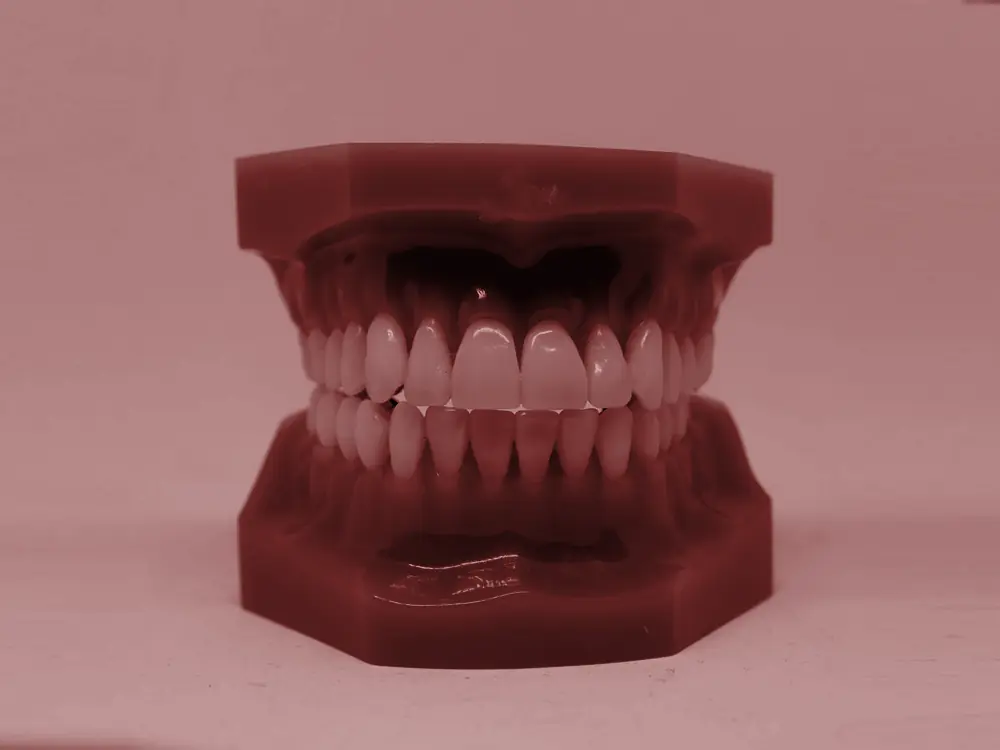
We decide between aligners and braces for you at an in person assessment: a clinician examines your teeth and bite, explains which option suits your case, and tells you plainly when braces would do the job better. If aligners are right, our laboratory makes your trays.
Why Teeth Aligners
Choose Teeth Aligners if aligners suit you because you get a removable, nearly invisible treatment planned by clinicians and made in our own laboratory in Pakistan, at PKR 2 to 5 lakh for a full course.
Every tray printed, formed and hand finished in our laboratory.
A clinician who will recommend braces when braces are the better answer for you.
A full course price confirmed after assessment, the same in every city.
Trays come out for meals and cleaning, and there are no brackets to break.
Before and after results from our patients, treated with our trays.
Consultations in Islamabad, Rawalpindi, Lahore, Sargodha and Gilgit, or remotely from abroad.
Book a free consultation and settle aligners vs braces for your own teeth.
Side by side
Clear aligners win on appearance, comfort, eating and cleaning; braces win on control for complex movements and on not depending on the patient to wear them. This is the comparison we go through at every consultation.
| Clear aligners | Metal braces | Ceramic braces | |
|---|---|---|---|
| How they look | Almost invisible | Clearly visible | Less visible, tooth coloured brackets |
| Removable | Yes, to eat, drink and brush | No | No |
| Eating | No food rules; trays come out | Avoid hard, sticky and chewy food | Avoid hard, sticky and chewy food |
| Cleaning | Brush and floss as normal | Brushing around brackets, floss threaders | As metal, and brackets can stain |
| Comfort | Pressure for a day or two per tray | Wires and brackets can rub cheeks | As metal |
| Best for | Crowding, gaps, rotations, many mild bite issues | Complex movements and severe crowding | As metal, where looks matter |
| Depends on you | Wearing trays 22 hours a day | Keeping appointments and cleaning | Keeping appointments and cleaning |
| Emergencies | Rare; a lost tray is replaced | Broken brackets and poking wires | Chipped or broken brackets |
| Price | PKR 2 to 5 lakh with us | Usually lower upfront | Usually above metal |
| After treatment | Retainers, as with any straightening | Retainers | Retainers |
For the full breakdown of what aligners cost and why, see our guide to the aligners price in Pakistan.
Problem by problem
Aligners handle most crowding, gaps and rotations as well as braces; braces are usually stronger for severe crowding, impacted teeth and skeletal bite problems. This is the aligners vs braces verdict we give, problem by problem, before any clinical examination refines it.
| Problem | Aligners | Braces | What decides it |
|---|---|---|---|
| Mild crowding | Excellent | Excellent | Your preference and routine |
| Severe crowding | Sometimes, with IPR or extractions | Usually stronger | How much space is needed |
| Gaps between teeth | Excellent | Excellent | Size of the gap and why it formed |
| Rotated teeth | Good, with attachments | Excellent | How far the tooth must turn |
| Overbite or deep bite | Often, after assessment | Often | Whether teeth or jaw cause it |
| Crossbite | Mild cases | Wider range of cases | Dental or skeletal cause |
| Open bite | Some cases | Some cases | Habit, tongue position or jaw shape |
| Underbite | Mild dental cases only | More cases, sometimes with surgery | Jaw relationship |
| Impacted or buried teeth | Rarely | Usually needed | Surgical exposure and traction |
| Relapse after old braces | Excellent | Good | How far teeth have drifted |
Where a row says it depends on the jaw, the answer can only come from an examination and, sometimes, an x-ray. We will not promise a result for those cases from photos alone.
Do they work
Yes, for the cases aligners suit. For crowding, spacing, rotated teeth and many mild to moderate bite problems, clear aligners straighten teeth as well as braces when the trays are worn as prescribed. For severe crowding and complex skeletal bite problems, braces give the clinician more control.
Both appliances move teeth the same way: gentle, steady pressure that lets the bone around each root remodel. Braces apply it through brackets and a wire; aligners apply it through a series of trays, each slightly different from the last. The American Association of Orthodontists describes aligners as a series of custom trays that move teeth step by step (AAO on aligners).
The difference that matters is control. A wire can push, pull and twist a tooth continuously, which suits large and complicated movements. A tray grips the teeth from the outside, which is why some movements need small tooth coloured attachments bonded to the teeth for extra grip, and why some cases are simply better treated with braces.
The other difference is you. Braces work whether or not you think about them. Aligners only work while they are in your mouth, and a tray worn for twelve hours instead of twenty two moves the teeth far less than planned.

Who suits which
Aligners are the better choice when your problem is crowding, spacing or rotation and you can wear trays 22 hours a day. Braces are the better choice when the bite needs major correction or when removable trays will not be worn consistently.
These are the situations where we recommend aligners without hesitation, and the ones where we tell patients braces will serve them better.
Treatment time
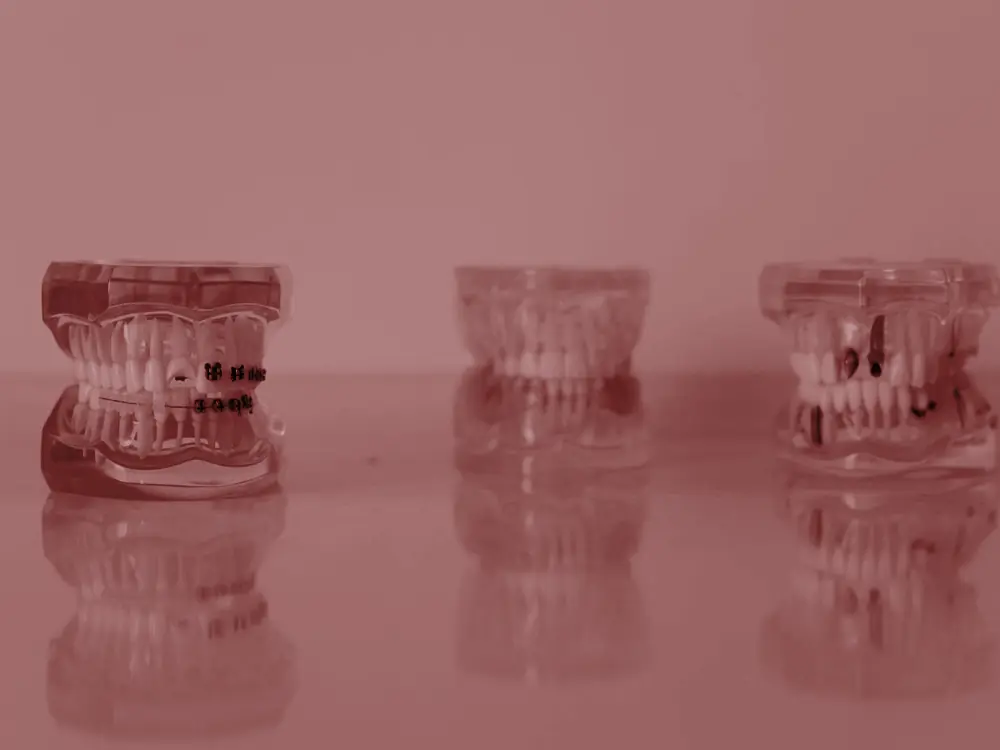
Neither is automatically faster; treatment time depends on how far your teeth need to move. For mild crowding and spacing, aligner treatment is often short, with our plans typically running at least six months. For complex cases, braces may finish sooner because the clinician has more control.
With aligners, you change to a new tray about every week, and each tray moves the teeth a planned fraction of a millimetre. The plan shows the number of trays before you start, so you know the expected length from day one.
The real speed difference comes from consistency. Aligner patients who wear trays 22 hours a day finish on time. Patients who wear them less fall behind the plan, need refinement trays, and end up taking longer than braces would have. Our video on what happens when aligners are not worn properly shows why.
Cost
No, clear aligners usually cost more than metal braces upfront. With us, a full course of aligners costs PKR 2 to 5 lakh, depending on your case. Metal braces are usually the lowest cost option, and ceramic braces usually sit above metal.
The higher price of aligners reflects the work behind every tray: a 3D scan or impressions, a digital plan, a printed model for each stage and a tray formed and finished by hand for each week of treatment. Braces use the same brackets for the whole course and change the wire at each visit.
What you get for the difference is a treatment that is almost invisible, comes out to eat, and makes cleaning simple. Whether that is worth it is a personal decision; the full guide to aligner costs explains exactly what moves the figure.
How they feel

Most patients find aligners more comfortable than braces. Aligners cause pressure for a day or two with each new tray as the teeth start to move; braces cause similar pressure after each adjustment, plus rubbing from brackets and wires on the cheeks and lips.
The pressure is a sign the appliance is working, and it settles quickly with either. What differs is the soreness that comes from the appliance itself. Brackets and wire ends can cause ulcers on the inside of the cheeks, especially in the first weeks, which is why braces patients are given orthodontic wax. Smooth aligner trays rarely cause this.
Aligners have their own small adjustments: some patients notice a slight lisp for the first few days, and the edges of a new tray can feel sharp until the tray settles. Both pass quickly.
Living with each
Daily life is easier with aligners: you eat normally, clean normally and nobody notices them. With braces, the appliance stays on, food choices change, and cleaning takes longer. These are the differences patients notice most.
With aligners you take the trays out and eat anything. With braces you avoid nuts, bones, toffee, chewing gum and hard bread crusts that can break brackets.
With aligners in, drink only plain water; take them out for tea, coffee or anything sweet. Braces need no removal, but sugary drinks around brackets raise decay risk.
Aligner patients brush and floss as normal and clean the trays. Braces need careful brushing around every bracket and threaders to floss.
Aligners are almost invisible in photographs and meetings. Braces are visible, though ceramic brackets show less.
Aligners can come out, or a guard can be worn. With braces, a mouthguard protects the lips from brackets during contact sport.
Aligner progress is checked in person, or by photo for overseas patients. Braces need regular in person visits to adjust the wire.
Watch
Switching from metal braces to aligners means trading brackets and wires for a series of clear removable trays, with the same goal and a different daily routine. Our short video compares the two from a patient's point of view.
If you already wear braces and want to switch, a clinician needs to see your teeth first. Some cases can move to aligners part way through; others are better finished with the braces already in place.

Teenagers
Aligners are a good choice for teenagers who will wear them consistently, and braces are often the safer choice for teenagers who will not. Once the adult teeth are through, the deciding factor is usually reliability, not the teeth themselves.
Teenagers often prefer aligners because they are almost invisible at school and they can eat what their friends eat. Parents sometimes worry about trays being left in a lunchbox, and that worry is fair: an aligner only works while it is being worn. Some teenagers rise to it; others need the certainty of braces.
For more on this, read our parents' guide to clear aligners for teens.
Adults

For most adults, aligners are the better fit, because they are almost invisible at work, come out for meals and make cleaning simple. Adults are also usually reliable about wearing trays. Braces remain the better choice for adults with complex bite problems.
Many adults who come to us had braces as teenagers and stopped wearing their retainers, so their lower front teeth have crowded again. That kind of relapse is often a short aligner case.
Adults do need their gums checked first. Moving teeth through inflamed gums can do damage, so any gum problem is treated before treatment starts, whichever appliance you choose. The NHS describes the same principle: orthodontic treatment starts with a check of the teeth, gums and bite (NHS on orthodontics).
Real cases
For suitable cases, aligners give the same straight result braces would. These are real patients treated with our aligners, for problems that are often assumed to need braces.
 After

 After

 After

After treatment
Results last equally long with either, as long as you wear your retainers. Teeth tend to drift back after any straightening treatment, whether it was done with braces or aligners, and retainers are what hold them in place.
After aligner treatment there is usually a retainer phase of about six months, followed by night time wear. After braces, the same applies, often with a fixed wire behind the front teeth as well. Patients who stop wearing retainers are the ones whose teeth move back.
If your teeth have already drifted after earlier treatment, a short course of aligners can usually bring them back, and this time the retainer stays in.
Ask about retention before you start either treatment: how long the retainer phase lasts, which type of retainer you will wear, and what happens if a retainer is lost or breaks. The answers matter as much as the treatment itself, because a straight smile that is not held in place does not stay straight.
How to decide
Decide with a clinician, not a brochure. These five steps are how a consultation with us answers the question for your teeth, before you spend anything on treatment.
A clinician checks your teeth, gums and bite, and asks what bothers you about your smile.

Clear photos and a scan or impressions show exactly how your teeth sit.
You are told whether aligners suit your case, or whether braces or an orthodontist in person would serve you better.
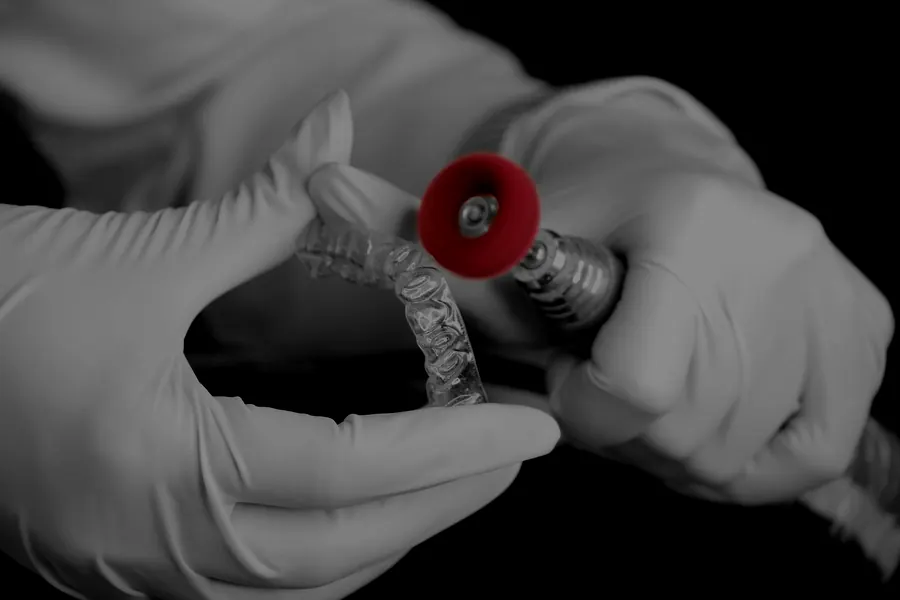
If aligners suit you, the digital plan shows the expected result and the number of trays.

You receive the total for your full course before anything is made.
Already in braces
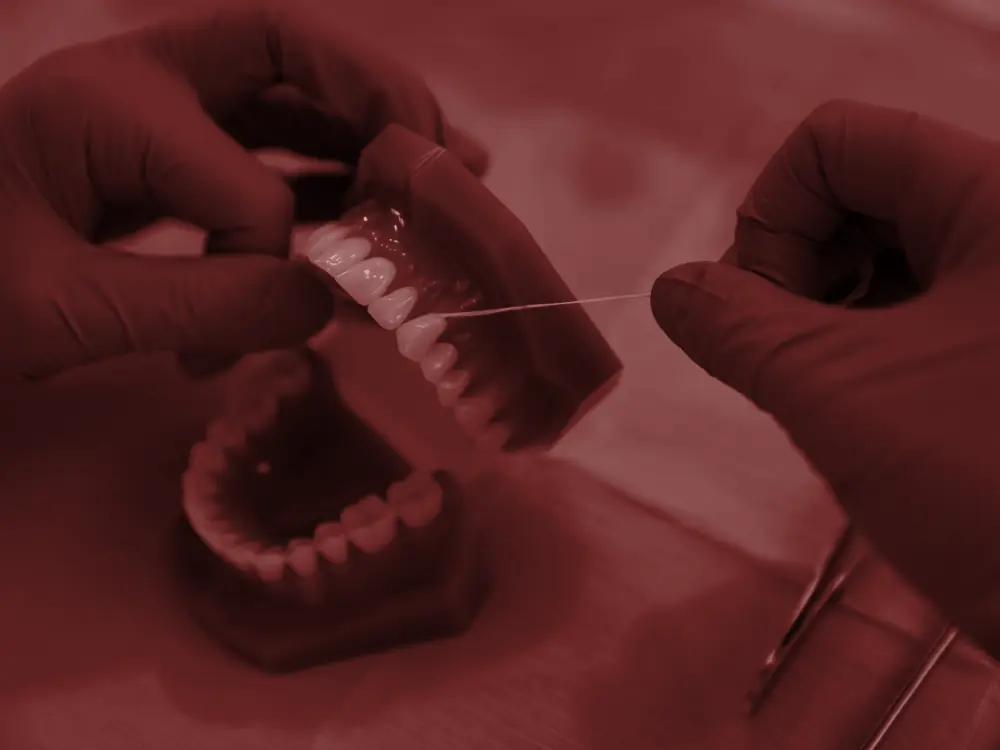
Sometimes. Patients part way through braces can switch to aligners if the remaining movement suits trays, but the decision needs a clinician to examine the teeth first. For some cases, finishing with the braces already in place is quicker and safer.
The switch involves removing the brackets, cleaning the teeth, taking a new scan and planning the remaining movement as an aligner series. Talk to the clinician treating you first; changing appliances mid treatment without a plan can undo progress.
If braces were removed early and your teeth have since drifted, aligners are often a good way to finish the job.
Start to finish
Aligner treatment involves a scan, a digital plan, a new set of trays about every week and regular progress checks. Braces involve a fitting appointment to bond brackets, wire changes at regular visits, and a final appointment to remove everything. Both end with retainers.
Treatment starts with a scan or impressions. The clinician moves your teeth in software, tray by tray, and you see the expected result before anything is made. Your trays are made in our laboratory, and you start wearing them 22 hours a day, moving to the next tray about every week. Some cases have small attachments bonded to the teeth at the start. Progress is checked in person, or by photo for overseas patients.
Brackets are bonded to each tooth at a fitting appointment of about an hour, and a thin wire is threaded through them. At each visit, the wire is changed or adjusted to keep the teeth moving. Elastics may be added between the jaws to correct the bite. At the end, the brackets are removed and the teeth polished.
Retainers start the day treatment ends. Without them, teeth drift back towards where they started, whichever appliance moved them.
Gums and enamel

Aligners are usually better for gum and enamel health during treatment, because you take them out and clean your teeth exactly as you normally would. Brackets trap plaque, and plaque left around brackets can leave white marks on the enamel and inflame the gums.
That does not make braces unsafe. Patients who brush carefully around every bracket and clean under the wire finish braces with healthy teeth. It simply takes more effort, every day, for the whole course of treatment.
Aligners bring their own rule: the trays must be clean and the teeth brushed before the trays go back in. Trays worn over food or sugary drinks hold that sugar against the teeth for hours. Drink only plain water with aligners in, and the hygiene advantage stays with you.
Problems
With aligners, the common problems are lost trays, trays that stop fitting because they were not worn enough, and teeth that do not quite track the plan. With braces, the common problems are broken brackets, poking wires and white marks on the enamel from plaque around the brackets.
Aligner problems are usually solved quickly. A lost tray can be remade from your existing plan, and teeth that lag behind are brought back on track with refinement trays at the end. The one problem no clinician can fix is a tray that is not being worn.
Braces problems usually need a visit. A loose bracket stops that tooth moving until it is rebonded, and a poking wire needs trimming. Neither is dangerous, but both interrupt treatment.
Whichever you choose, ask your provider in advance what happens when something goes wrong, how quickly you will be seen, and whether it costs extra.
Your routine
Aligners are usually better for people who travel or work long hours, because progress can be checked by photo and nothing needs adjusting in the chair. For contact sport, either works: aligners can be taken out, and braces need a mouthguard to protect the lips.
Our overseas patients rely on this. Their trays are made in Pakistan and progress is checked from a clear photo about twelve days into each new tray, so treatment continues between visits home. Braces would need an adjustment visit every few weeks, which is rarely practical from abroad.
The trade off is discipline. Long days and travel are exactly when trays get left out at a restaurant or forgotten in a hotel. Keep the case with you, and keep the next tray ready.
The finish
Both give an equally good looking result when the case suits the appliance. With aligners you also see the planned result on screen before treatment starts, which lets you ask for changes to the final position of a tooth before a single tray is made.
The finish depends more on planning than on the appliance. Small details, such as the line of the front teeth when you smile and how the edges of the teeth sit against each other, are decided by the clinician's plan. Refinement trays at the end of aligner treatment exist precisely to perfect those details.
With braces, the same details are adjusted by bending the wire in the final months. Either way, ask to see examples of finished cases similar to yours before you choose a provider.
Other options
Ceramic braces and lingual braces are two less visible alternatives to metal braces. Ceramic braces use tooth coloured brackets on the front of the teeth; lingual braces are bonded to the back of the teeth, where they cannot be seen at all. Both are fixed, so the food and cleaning rules of braces still apply.
Ceramic braces work like metal braces and are often chosen for the upper teeth, where they show most. The brackets can pick up stain and are slightly more fragile than metal.
Lingual braces are hidden but can affect speech and rub the tongue at first, and they are offered by fewer providers. For most people looking for a discreet option, clear aligners give a similar appearance with the added benefit of coming out to eat and clean.
Age
There is no upper age limit for either. Aligners and braces work at any age once the adult teeth are through, as long as the gums and the bone supporting the teeth are healthy. Many of our patients are adults in their thirties, forties and beyond.
Younger children with milk teeth sometimes need early orthodontic treatment for jaw growth problems, which is a different kind of treatment and is usually done with other appliances.
For adults, the check that matters most is the gums. Teeth can only be moved safely through healthy gum and bone, so any gum problem is treated before straightening starts.
Both together

Yes, in some cases. A clinician may use braces for a short phase to make a difficult movement, such as pulling down a buried tooth or making a large rotation, and then finish the case with aligners. This combined approach is planned from the start, not improvised.
Some patients also wear braces on one arch and aligners on the other when only one arch needs complex work. These plans are less common and depend entirely on the case.
If a provider suggests a combined plan, ask why each appliance is being used and for how long. A good plan explains the reason for every phase before you agree to it, in the same way our plans show the number of trays before treatment starts.
Questions
Aligners are better for most crowding, gaps and rotations in people who will wear trays 22 hours a day. Braces are better for complex bite problems and for patients who will not wear removable trays consistently. A clinical assessment decides it.
For the cases they suit, yes. Clear aligners straighten crowded, spaced and rotated teeth as well as braces when worn as prescribed. For severe crowding and complex skeletal bite problems, braces give more control.
No. Clear aligners usually cost more than metal braces upfront. With us, a full course of aligners costs PKR 2 to 5 lakh depending on the case, while metal braces are usually the lowest cost option.
Neither is automatically faster. Treatment time depends on how far the teeth need to move. Mild cases are often short with aligners; complex cases may finish sooner with braces. Wearing aligners consistently is what keeps them on schedule.
Most patients find aligners more comfortable. Both cause pressure for a day or two as teeth move, but braces add rubbing from brackets and wires, while smooth aligner trays rarely cause sores.
Many overbites can be improved with aligners, but the plan depends on whether the cause is the teeth or the jaw. Overbite cases always need a clinical assessment before anything is promised.
Yes. You take the trays out to eat, so there are no food restrictions, then brush and put them back. With braces, hard, sticky and chewy foods have to be avoided.
Aligners suit most adults well, because they are almost invisible at work, come out for meals and keep cleaning simple. Adults with complex bite problems may still be better served by braces.
Aligners work well for teenagers who will wear them 22 hours a day. For teenagers who are likely to leave trays out, braces are often the more reliable choice.
Yes. Retainers are needed after any straightening treatment, because teeth tend to drift back. After aligners there is usually a retainer phase of about six months, followed by night time wear.
Sometimes. If the remaining movement suits trays, a switch is possible after a clinician examines your teeth and plans the rest of treatment. For some cases, finishing with braces is quicker.
Aligners are easier. You take them out and brush and floss your teeth as normal, then rinse and clean the trays. Braces need careful brushing around every bracket and floss threaders under the wire.
Aligners can cause a slight lisp for the first few days while your tongue adjusts, and it fades quickly. Braces rarely affect speech after the first day or two.
Teeth fall behind the plan, trays stop fitting, and treatment takes longer. Aligners only move teeth while they are worn, so 22 hours a day is the rule, not a suggestion.
Clear aligners are almost invisible at normal speaking distance. Small tooth coloured attachments, if your plan needs them, can be seen up close but are far less noticeable than brackets.
No. Both treat crooked teeth, gaps, rotations and many bite problems. The aligners vs braces choice depends on which problem you have, how severe it is and whether you will wear removable trays 22 hours a day.
Aligners close most gaps between the front teeth very well. Very large gaps, or gaps caused by missing teeth, may need braces or a plan that includes replacing a tooth, which the clinician explains at the assessment.
Sometimes. Severe crowding may need space made with IPR or, occasionally, extractions. Many severe cases are treated more predictably with braces, and we tell you honestly which applies.
Yes. Aligners are worn about 22 hours a day, including all night. Night is when most of the wear time comes from, so leaving trays out overnight slows treatment noticeably.
A lost aligner is easily solved if you act quickly. Wear the previous tray, tell us, and a replacement is made from your existing plan in our laboratory so treatment stays on track.
No. Take the trays out for tea, coffee and anything other than plain water, then rinse or brush before putting them back. Hot drinks can warp trays, and sugar trapped under a tray harms the teeth.
Aligners are worth it if your case suits them and you will wear them 22 hours a day, because they are almost invisible and come out to eat and clean. If you will not wear them consistently, braces are the better use of your money.
Some aligner plans use small tooth coloured attachments bonded to a few teeth, so the trays can grip and turn them. They are much smaller than brackets and are polished off at the end of treatment.
Yes. Many patients who had braces years ago use aligners to correct teeth that have drifted since. These relapse cases are often short, and wearing retainers afterwards keeps the result.
Aligner patients have regular progress checks, in person in Pakistan or by photo from abroad. Braces need in person visits to adjust the wire throughout treatment.
Aligners are usually better before a wedding, because they come out for photographs and the event itself and are almost invisible otherwise. Start early enough that the plan can finish, and tell us your date at the consultation.
Not as a rule. Adult teeth move at a similar pace with either appliance. The speed depends on the movement needed and, with aligners, on wearing the trays 22 hours a day.
Yes. Aligners and braces move teeth with the same gentle forces, and both are safe when a clinician has checked your gums and teeth first. Aligners also make it easier to keep the enamel and gums healthy, because you clean normally.
A clinician decides after examining your teeth, gums and bite. At our consultation, we tell you honestly if braces or an orthodontist in person would serve your case better than aligners.
Keep reading
A clinician examines your teeth and bite and tells you honestly whether aligners or braces suit your case, before you spend anything.