
01
Video call assessment
A clinician looks at your teeth on camera and your photos, and tells you honestly whether aligners can treat your case.
Teeth Aligners / Teeth aligners for overseas Pakistanis
Teeth aligners for overseas Pakistanis, made in our own laboratory in Pakistan and managed from wherever you live. Your assessment happens on a video call, an impression kit is couriered to your address, your full tray sequence is shipped in one consignment, and your progress is reviewed online at times that suit your hours, not ours.
The short answer
Yes, from anywhereVideo call, home impressions, trays shippedYes. A large share of our patients live outside Pakistan. A clinician assesses you on a video call, an impression kit is couriered to your address, and once your plan is approved, your full tray sequence is shipped in one consignment so you are not waiting between stages.
During treatment, you send a clear photo of your teeth about twelve days after moving to each new tray, and review appointments happen online. Some cases, especially bite problems, may need an in person visit, which many patients plan around a trip home.
How we do it
We treat overseas Pakistanis remotely by assessing you on a video call, couriering an impression kit to your address, planning your case with a clinician, and sending your trays from our laboratory in Pakistan. You send a clear photo about twelve days into each new tray so your progress is checked.
Why Teeth Aligners
Overseas Pakistanis choose Teeth Aligners because treatment costs PKR 2 to 5 lakh rather than the price of aligners abroad, and a large share of our patients already live outside Pakistan, so the remote process is routine for us.
A full course made in our laboratory, without import costs added.
Video calls, couriered kits and photo check ins are a standard part of how we work.
Your plan is approved by a clinician before manufacture, wherever you live.
If a tooth needs more time, refinement trays are made from your case file and sent to you.
Visiting Pakistan? Begin in person in one of five cities and continue from abroad.
Before and after results from our own patients.
Arrange a video consultation and find out whether teeth aligners for overseas Pakistanis suit your case.
Why from Pakistan
Overseas Pakistanis choose aligners made in Pakistan for the cost, for a clinical team they can speak to in Urdu or English, and for the option of seeing the team in person on visits home. Our trays are made in our own laboratory, so there is no import margin built into the price.
A full course with us costs PKR 2 to 5 lakh, depending on the case. Many overseas patients have already been quoted for treatment where they live, or for imported brands; our guide to the aligners price in Pakistan, which also covers the Invisalign price in Pakistan, explains how the figures compare.
Family plays a part too. Patients often start treatment during a visit home, or have a relative in Pakistan who has been treated with us, and like that the same team follows them wherever they are.
How it works from abroad
Remote aligner treatment runs in five stages, the same clinical stages as in Pakistan, with the visits replaced by video calls, couriered impressions and photo reviews.
A clinician looks at your teeth on camera and your photos, and tells you honestly whether aligners can treat your case.
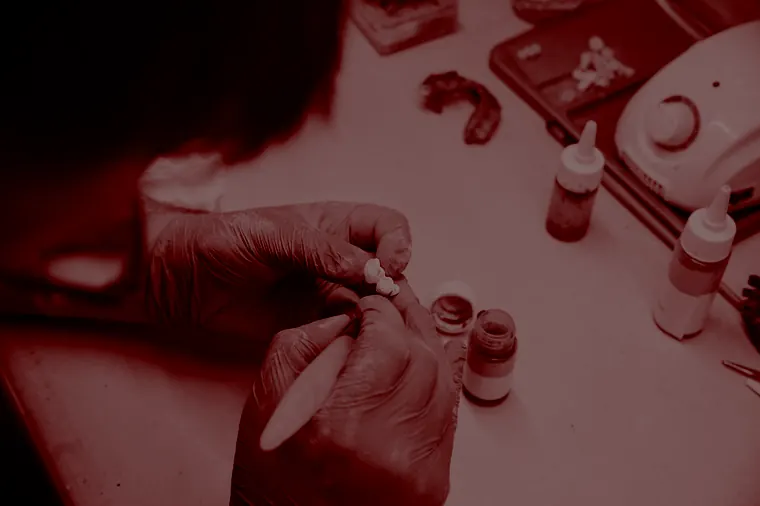
An impression kit is couriered to your address. You take your impressions and the kit comes back to our laboratory.
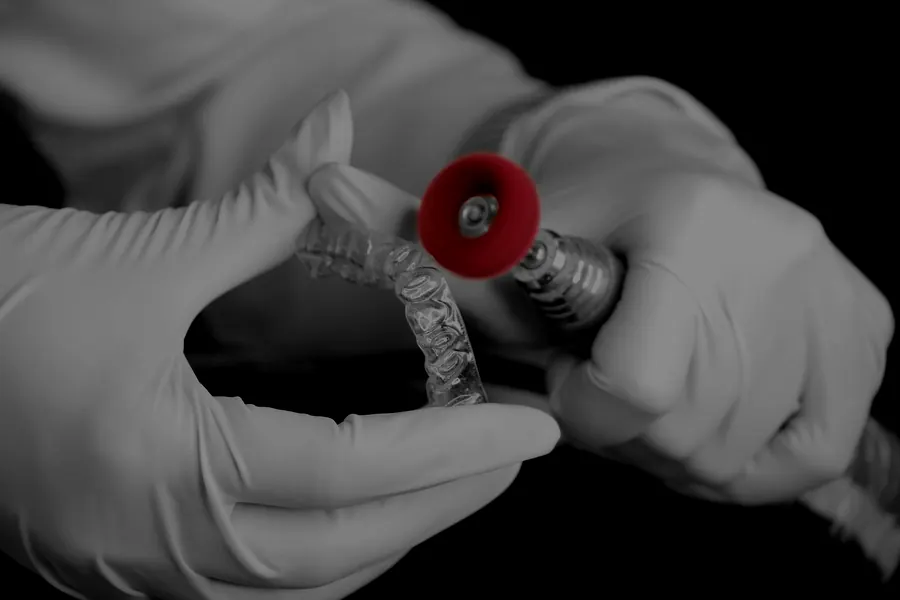
Your movement plan is approved by a clinician, then printed, formed on USA imported sheet and finished by hand.

Your full tray sequence is shipped in one consignment, so you are never waiting for the next stage.

You send a clear photo about twelve days after each new tray, and review appointments continue online.
Stage one
On the video call, a clinician looks at your teeth on camera, reviews the photos you have sent, asks what bothers you about your smile and checks for anything that would make aligners unsuitable. You leave the call knowing whether remote treatment is realistic for your case.
Good light and a few clear photos make a big difference: smiling, biting together, and close views of the upper and lower teeth. The clinician may ask you to move the camera or bite in a particular way during the call.
If the call shows a bite problem that cannot be judged on camera, you will be told that an in person visit is needed before a plan is made. Some patients plan that visit around Eid, a wedding or a family trip.
Stage two
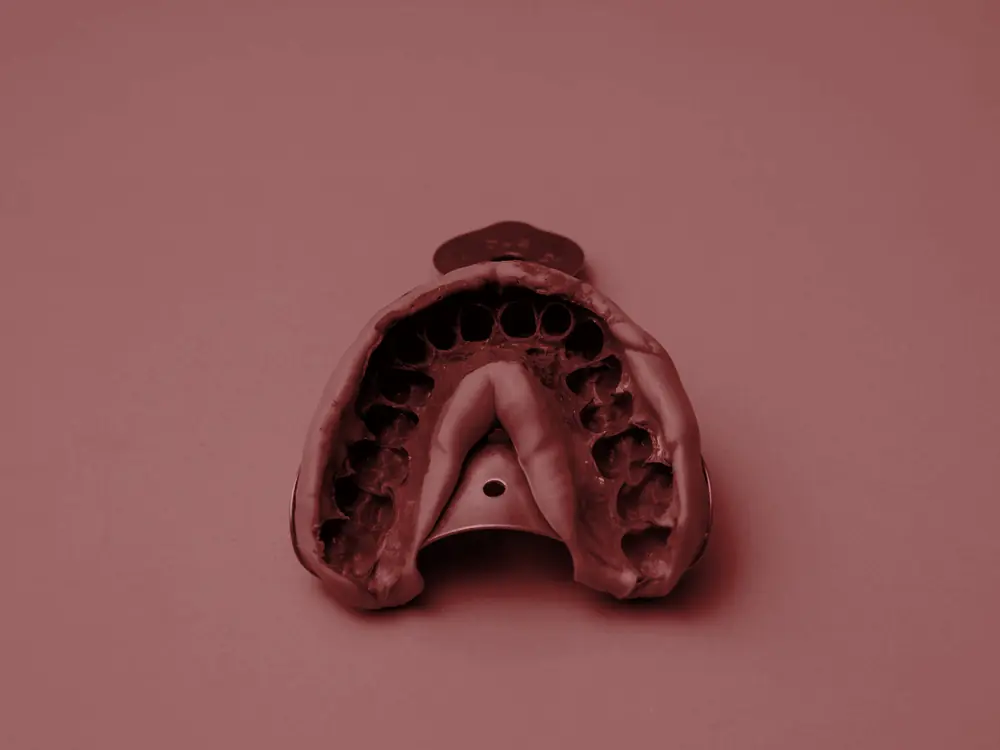
The impression kit is couriered to your address with everything needed to take impressions of your upper and lower teeth at home, plus instructions. Once taken, the impressions go back to our laboratory, where they become the model your entire treatment is built on.
Taking good impressions matters more than anything else at this stage, because every tray is built on them. Follow the instructions slowly, and if you are unsure whether an impression has worked, send a photo before returning it.
If an impression is not clear enough, a new one is requested rather than building a plan on a poor record.
Your trays
Your full tray sequence is shipped in one consignment once your plan has been approved and the trays are made. You do not wait for each stage to arrive, and treatment does not depend on a parcel reaching you every few weeks.
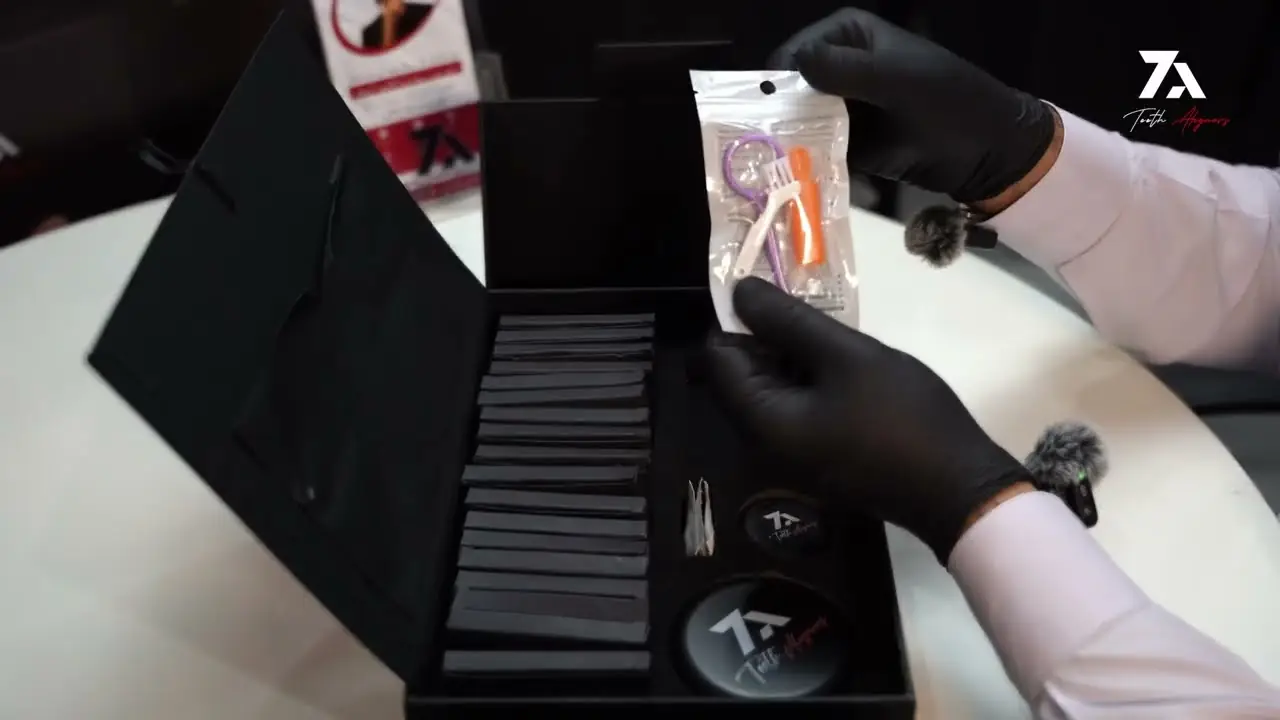
Every tray is numbered in wear order and packed with what you need to wear them properly. Our unboxing video, further down this page, shows what arrives.
Keep the trays in their packaging until each one is due, store them somewhere cool and dry, and keep your current and previous tray safe in case one is lost.
Staying on track
Progress is checked from a clear photo you send about twelve days after moving to each new tray, plus review appointments online, timed around your working hours and time zone. The clinician confirms the teeth are following the plan and each tray is fitting fully.
The photos follow a simple routine: front teeth together, then each side, in good light. A tray that sits proud of a tooth, with a visible gap at the edge, is the main thing the review looks for, because it means a tooth is lagging.
If something needs adjusting, you are told on the review, and refinement trays can be made and sent if the teeth need fine tuning at the end.
Which cases
Spacing, crowding and teeth that drifted after braces suit remote treatment best; bite problems often need at least one in person visit. A guide to how each kind of case usually goes:
| Case | Remote treatment | Notes |
|---|---|---|
| Gaps between the teeth | Usually suitable | Retainers are especially important afterwards |
| Mild to moderate crowding | Usually suitable | IPR, if needed, may require an in person visit |
| Rotated teeth | Often suitable | Attachments are placed in person, so plan a visit |
| Teeth that moved after braces | Usually suitable | Often a short plan |
| Overbite, crossbite, open bite | Case by case | Usually needs an in person bite assessment first |
| Severe crowding or buried teeth | Rarely | Usually better treated in person, often with braces |
Our condition guides go into each problem in detail: crooked teeth, gaps between teeth, overbite, crossbite and open bite.
When to visit
Overseas patients need an in person visit when the case involves a bite problem that cannot be judged on camera, when attachments need to be bonded to the teeth, or when IPR is planned. Many cases need none of these; others need one visit at the start.
Attachments, the small tooth coloured bumps that help trays grip, and IPR, the polishing of a thin layer of enamel between crowded teeth, are both done in the chair. Where a plan needs them, the clinician tells you at the assessment so you can plan a visit.
Consultations in Pakistan take place in Islamabad, Rawalpindi, Lahore, Sargodha and Gilgit.
Start on a visit
Yes, and many overseas patients do exactly that. Starting during a visit home lets the assessment, impressions and any attachments happen in person, then the rest of the treatment continues abroad with photo reviews and online appointments.
Tell us your travel dates when you book. Trays take time to plan and make, so the clinician can advise how to fit the first steps into your visit and whether the full sequence can travel back with you or be shipped afterwards.

Your hours
Review appointments are timed around your hours, not ours, whether you are in the UK, the Gulf, North America or elsewhere. Photo reviews do not need a live call at all; you send the photo and receive feedback.
Patients in the Gulf are often only a couple of hours from Pakistan time; patients in the UK and North America usually choose early morning or evening calls.
Problems abroad
If you lose or break a tray abroad, move to your next tray if it is due within a day or two, or go back to your previous tray, and tell us straight away. Because your plan is on file in our laboratory, a replacement can be made from it.
Keeping your previous tray, rather than throwing it away, is the simplest protection. If a tray stops fitting, or a tooth seems to be lagging, send a photo rather than waiting for your next review.
Small problems caught early are easy to solve remotely; the same problems found months later may need refinement trays.
Safety
Remote aligner treatment is safe when a clinician assesses your teeth, approves the plan and reviews your progress throughout, which is how our overseas treatment works. What is not safe is a tray series sold online with no clinician involved at any stage.
The NHS is clear that orthodontic treatment should start with an assessment of the teeth and bite (NHS on orthodontics). The video call, the clinician approved plan and the photo reviews are what make remote treatment clinical treatment rather than a product.
We also recommend keeping up regular dental check-ups where you live. A local dentist can check your gums and teeth for decay, which aligners do not replace.
Real cases
Overseas patients get the same results as patients treated in Pakistan, because the plan, the laboratory and the clinicians are the same. These real cases from our aligners show the kinds of problems most often treated remotely.
 After

 After

 After

What arrives
Your package contains your numbered tray sequence and what you need to wear the trays properly. Our unboxing video shows what arrives, so you know what to expect when the courier knocks.
Keep the box and the trays somewhere cool and dry, and keep each finished tray until your next review.
Where you live
Yes. Because the assessment is a video call, the impressions are taken at home and the trays travel in one shipment, where you live mainly changes the time of day your calls are arranged. Teeth aligners for overseas Pakistanis work the same way from London, Dubai, Riyadh, Toronto or Sydney.
What matters more than the country is whether your case suits remote treatment and whether you can commit to the routine: 22 hours of wear a day, a tray change about every week, and a clear photo about twelve days into each tray.
If you are not sure whether delivery to your country is straightforward, ask when you arrange the video call.
Timeline
Remote aligner treatment usually takes at least six months of trays, followed by a retainer phase of about six months, the same as treatment in Pakistan. Simple spacing can finish sooner; crowding with rotations takes longer.
Add a little time at the start for the impression kit to reach you and return to our laboratory, and for your trays to be made and shipped. After that, the pace is set by your tray changes, not by visits.
Your plan shows the number of trays before you agree to anything, and at about a week per tray, that number tells you the length of treatment.
Before the call
For the video call, you need a phone or laptop with a camera, good light, and a few clear photos of your teeth sent beforehand: smiling, biting together, and from each side. A mirror and a helper to hold the phone make the call easier.
Have a list of what bothers you about your teeth, any previous orthodontic treatment, and any dental work such as crowns or implants. Mention any gum problems or loose teeth, because these change what is possible.
The call usually ends with an honest answer about suitability and, if aligners suit you, the next step: the impression kit.
Why one shipment
Teeth aligners for overseas Pakistanis are shipped as a full sequence in one consignment so treatment never stalls waiting for a parcel. Each tray is worn for about a week, and a delayed delivery in the middle of treatment would leave your teeth without their next step.
Having every tray at home also means you can move on schedule even when you travel, as long as you take the next few trays with you.
Refinement trays, if your teeth need fine tuning at the end, are planned from a fresh set of impressions and sent separately.
Travelling
Take your current tray, your previous tray and the next one or two with you, keep wearing them 22 hours a day, and send your photo review from wherever you are. Travel is one of the reasons the full sequence is shipped together.
Long flights and unfamiliar meal times are when trays are most often left on a tray table or wrapped in a napkin. Keep the case in your hand luggage and put the trays straight back in after eating.
If your travels include a trip to Pakistan, tell us. It can be a chance for an in person check or for any attachments your plan needs.
Moving home
If you move back to Pakistan during treatment, your care simply switches to in person follow-up at one of our consultation cities. Your plan, trays and records stay the same, because they are all held by our laboratory.
Patients in Pakistan have in person follow-up visits instead of photo reviews, so the clinician will arrange your next check at the city most convenient for you.
Fine tuning
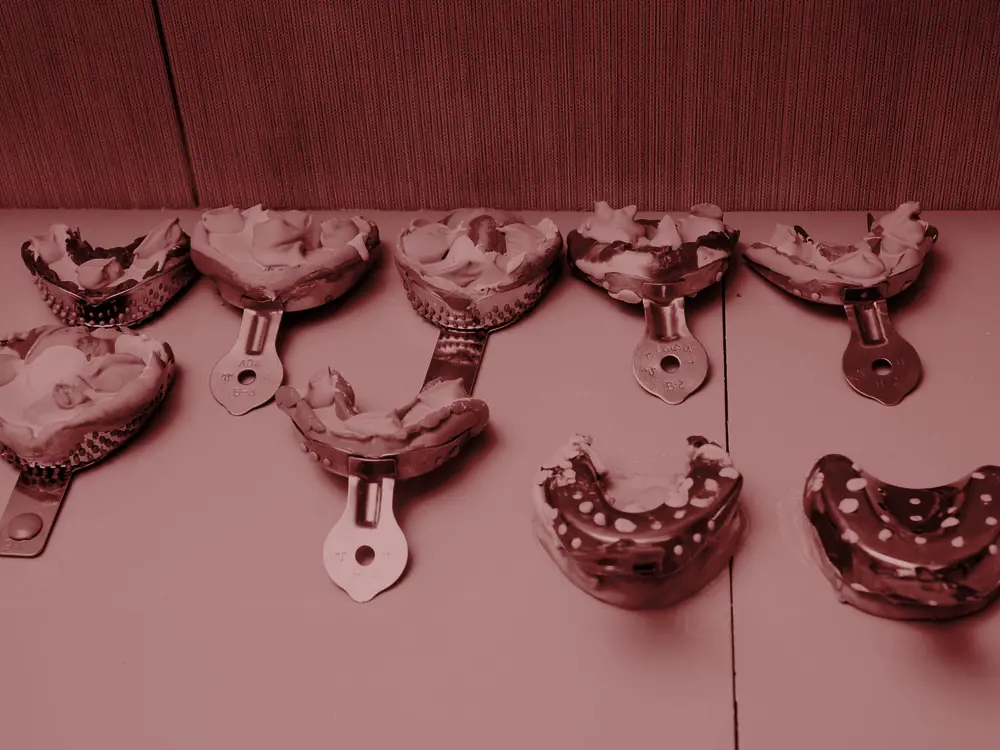
If a tooth has not quite reached its planned position near the end of treatment, refinements are planned from new impressions taken with a second home kit, then a short series of extra trays is made and sent. Your photo reviews show when refinements are likely to be needed.
Refinements are a normal part of many plans and are not a sign that something went wrong. They are usually a small number of trays focused on one or two teeth.
Teenagers abroad
Yes, once their adult teeth are through and a clinician has assessed them on a video call. Parents usually take the photos and keep an eye on wear time, which is the biggest factor in whether treatment succeeds for a teenager.
Teenagers often like that the trays are almost invisible at school. Parents should read our guide to clear aligners for teens before deciding.
Signs of progress
Remote treatment is going well when each new tray feels snug for a day or two and then comfortable, sits flush against every tooth with no gap at the edges, and your photo reviews come back confirming the teeth are tracking the plan.
A tray that never quite seats, a gap that stays between the tray and a tooth, or a tray that feels loose straight away are the signs to report. Send a photo as soon as you notice, rather than waiting for the next scheduled review.
Visible changes in the mirror usually start within the first month or two for gaps and crowded front teeth.
When it arrives
When your trays arrive, check that the sequence is complete and numbered in order, read the wear instructions, and store the box somewhere cool and dry. Tell us straight away if anything is missing or damaged in transit.
Try the first tray as soon as you are ready to start, and send a photo of it in place. A good fit on the first tray is the best sign the impressions were accurate.
Keep the box and every finished tray until treatment ends. Your previous tray is your backup if a later one is lost.
Weddings and Eid
Yes. Many overseas patients time their start or their in person visit around a wedding, Eid or a family trip, and some want their teeth straighter by a particular date. Tell us the date at the video call, and the clinician will say honestly what can be achieved by then.
Trays are almost invisible in photographs, and they can be taken out for a few hours for an event, as long as they go straight back in afterwards and the lost time is made up that day.
Second opinion
Yes. If you have a treatment plan or quote from a clinic where you live, share it with us before or during the video call. We will tell you honestly how our approach to your teeth would differ, including when the other plan is the better choice.
Comparing plans works best when you compare like with like: the number of trays, which arches are treated, how refinements are handled and what retention involves. Our aligners price page explains how to read a quote.
Local care
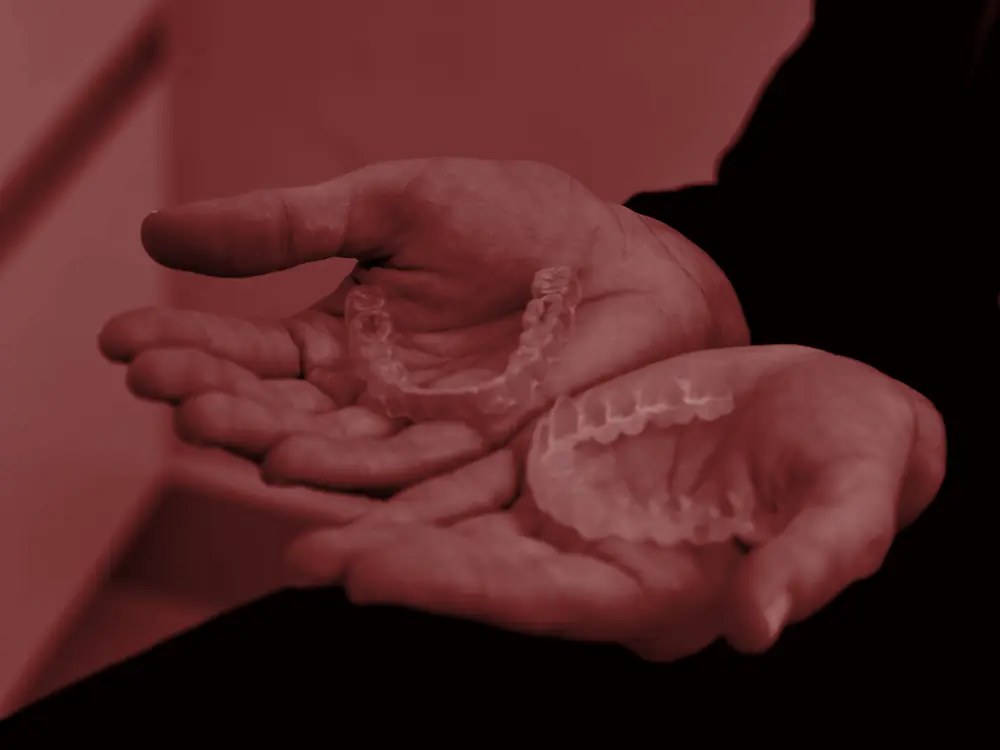
If your local dentist finds decay, a gum problem or anything else during treatment, tell us before continuing with the next tray. Most problems, such as a small filling, can be treated without stopping aligner treatment, but the clinician needs to know.
A new filling or crown can change the shape of a tooth enough that a tray no longer fits. In that case, a new impression may be needed for the remaining trays.
Staying in touch
Most overseas patients stay in touch on WhatsApp for photos and quick questions, with review appointments by video call when the clinician needs to see more. Questions between reviews are welcome; small problems are easiest to fix early.
Keep your messages to one thread, with your name and tray number in each photo message, so the team can follow your case at a glance. If a photo is unclear, you may be asked to retake it in better light.
Calls are arranged around your working hours, so evening and early morning slots are common for patients in the UK and North America. Gulf patients, a couple of hours from Pakistan time, can often take calls during the working day.
Compared with local
Remote treatment from Pakistan replaces in clinic visits with video calls and photo reviews, and replaces a local scanner with a home impression kit. In exchange, you are treated by a team you can speak to in Urdu or English, with trays made in our own laboratory and priced in rupees.
A local clinic offers more in person contact, which some cases genuinely need. Where your case is better suited to in person care, the honest advice on the video call is to choose that, either with a clinic where you live or during a longer stay in Pakistan.
After treatment
Retainers work the same way for overseas patients: a retainer phase of about six months after the last tray, then night time wear for the long term. The retainer is made in our laboratory and sent to you, or collected on a visit.
If you lose a retainer abroad, tell us quickly. Teeth can start to move within weeks, and a replacement can be made from your records if your teeth have not moved. Our guide to clear retainers covers retention in detail.
Honest limits
Remote treatment is not suited to severe crowding, buried teeth, skeletal bite problems or anyone who cannot commit to wearing trays 22 hours a day and sending photos on schedule. It is also not the right choice if your gums need treatment first.
If your case is better treated in person, we will tell you on the video call. Sometimes that means waiting until a visit home, and sometimes it means treatment with an orthodontist where you live. Our page on aligners vs braces explains when braces are the better route.
Families
Yes. Many overseas patients arrange treatment for a parent, sibling or child in Pakistan at the same time, who are seen in person at one of our consultation cities while you are treated remotely.
Each person is assessed and planned individually; what suits one family member may not suit another. Teenagers in the family are covered in our guide to clear aligners for teens.
Make it work
Remote treatment goes smoothly when you keep to the wear time, send clear photos on schedule and keep your previous tray. These are the habits our overseas patients find most useful.
A phone reminder for each tray change and each photo keeps you on schedule.
Photos near a window in daylight show the fit far better than bathroom lighting.
Your previous tray is your backup if one is lost or cracks.
Most trays are lost at meals. The case goes everywhere the trays go.
Biting on a chewie seats each new tray fully, which shows clearly in your photos.
If anything feels wrong, send a photo on WhatsApp rather than waiting for the next review.
Cost
Our full course of teeth aligners costs PKR 2 to 5 lakh, depending on the case, and your exact figure comes in writing after your assessment and plan. Mild spacing or crowding sits toward the lower end; bite corrections sit higher.
The full aligners price guide explains what moves a case up or down the range, and how the figure compares with imported brands.
Questions
Yes. A clinician assesses you on a video call, an impression kit is couriered to your address, your full tray sequence is shipped in one consignment, and reviews continue online.
Not always. Many cases are treated entirely remotely. Bite problems, attachments and IPR may need an in person visit, which many patients plan around a trip home.
Send a clear photo of your teeth about twelve days after moving to each new tray, taken in good light, with your teeth together and from each side. WhatsApp is the easiest way.
Yes. Once your plan is approved and made, your full tray sequence is shipped in one consignment, so you are not waiting between stages.
The impression kit couriered to you includes instructions. Take your time, follow each step, and send a photo if you are unsure an impression has worked.
A new impression is requested rather than building your plan on a poor record. Accurate impressions are the foundation of every tray.
Yes. Review appointments are timed around your hours, and photo reviews do not need a live call. Gulf patients are close to Pakistan time; UK and North American patients often choose early or late calls.
Move to your next tray if it is due soon, or go back to your previous tray, and tell us. A replacement can be made from the plan on file in our laboratory.
For suitable cases, yes, because the plan, laboratory and clinicians are the same. Effectiveness depends on wearing the trays 22 hours a day and sending photos on schedule.
A full course costs PKR 2 to 5 lakh depending on the case. You receive your exact figure in writing after your assessment and plan.
Yes. Many overseas patients have their assessment, impressions and any attachments done during a visit, then continue remotely after they return.
Yes, for regular check-ups. A local dentist checks your gums and teeth for decay, which aligner treatment does not replace.
After the last tray, your retainer is made in our laboratory and sent to you or collected on a visit. Night time wear then continues for the long term.
Yes. Family members can be seen in person at one of our consultation cities while you are treated remotely. Each person is planned individually.
The clinicians who planned your case review your photos and online appointments, so the same team follows your treatment from start to finish.
You will be told on the video call. The alternative may be an in person visit to Pakistan, or treatment with an orthodontist where you live.
Usually at least six months of trays, followed by about six months of retainer wear. Allow a little extra time at the start for the impression kit and shipping.
Yes. Take your current, previous and next trays with you, keep wearing them 22 hours a day, and send your photo review from wherever you are.
Your care switches to in person follow-up at one of our consultation cities. Your plan, trays and records stay the same.
Our treatment is priced in Pakistani rupees, PKR 2 to 5 lakh for a full course. Ask about payment arrangements when you receive your written plan.
Tell us straight away and send a photo of the damage. Because your plan is held in our laboratory, damaged trays can be remade from it.
Sometimes, depending on how much movement is needed and how long you have. Share the date at the video call and you will get an honest answer.
Not in the aligner treatment itself, but regular check-ups with a local dentist are recommended. Tell us if they find anything that needs treating during your aligner course.
Clear photos help, and they are always reviewed, but the first assessment is a live video call so the clinician can ask you to bite, smile and move the camera. Later progress checks are usually photo based.
Yes, as long as the gums are healthy. Adults of any age can be treated remotely when the case suits aligners. Mention any gum problems or dental work at the video call.
Message us on WhatsApp with a few clear photos of your teeth and your time zone. We arrange the video call at a time that suits you.
Keep reading
Send a few clear photos on WhatsApp, tell us your time zone, and a clinician will assess whether remote aligner treatment suits your teeth.