

01
Assessment and scan
A clinician looks at your teeth, gums and bite, and decides whether aligners suit your case. Your teeth are then scanned or impressions are taken.
Teeth Aligners / How teeth aligners work
Teeth aligners work by moving your teeth a small, planned distance with each clear tray. Every tray is made for your mouth from a 3D plan, worn about 22 hours a day for roughly a week, then swapped for the next, until the last tray holds your teeth in their new position. Here is exactly how that happens, from the first scan to the retainer.
The short answer
Tray by trayA planned series, worn 22 hours a dayTeeth aligners work by applying light, steady pressure to the teeth through a series of custom clear trays. Each tray is shaped slightly differently from the last, so wearing it nudges the teeth a little further along a plan. Over many trays, those small steps add up to straight teeth.
The pressure is gentle enough that the bone around each root has time to reshape as the tooth moves. That is why aligners are worn for about a week each and almost all day: steady pressure moves teeth, occasional pressure does not.
How we do it
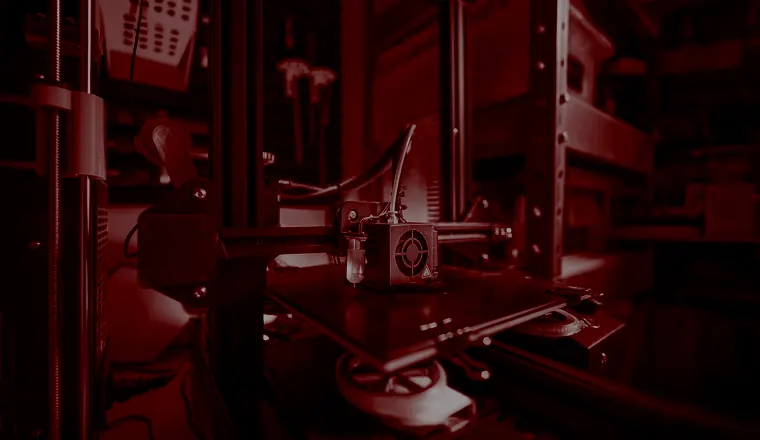
Treatment with Teeth Aligners works in five stages: an assessment with a clinician, impressions of your teeth, a movement plan approved by a clinician, trays made in our own laboratory in Pakistan, then wear and follow up until a retainer holds the result.
Why Teeth Aligners
Choose Teeth Aligners because every step of how teeth aligners work, as set out on this page, happens with one team: our clinicians plan and review your case, and our laboratory in Pakistan makes your aligners, refinements and retainers.
Most aligners sold in Pakistan are made somewhere else; ours are made in our own laboratory.
A clinician approves your movement plan before manufacture.
A replacement or refinement tray is made here, not shipped in from abroad.
Full course pricing without an import margin, confirmed after assessment.
Your kit comes with a case, aligner tools, cleaning tablets and floss.
Before and after cases from our own patients.
Book a free consultation to see how teeth aligners work for your own smile.
The basics
Teeth aligners are thin, clear, removable trays that fit tightly over your teeth and straighten them gradually. They are also called clear aligners, dental aligners and, in everyday speech, invisible braces. Unlike braces, they have no brackets or wires, and you take them out to eat, drink and brush.
Each set of aligners is custom made. Your teeth are scanned or impressions are taken, a clinician plans the movement of every tooth in software, and a tray is made for each stage of that plan. The American Association of Orthodontists describes aligners in the same terms: a series of custom made trays that move the teeth step by step (AAO on aligners).
Our trays are formed from clear sheet material imported from the USA, over models printed in our own laboratory in Pakistan, then trimmed and polished by hand. You can see how that lab works on our teeth aligners homepage.
Inside the jaw

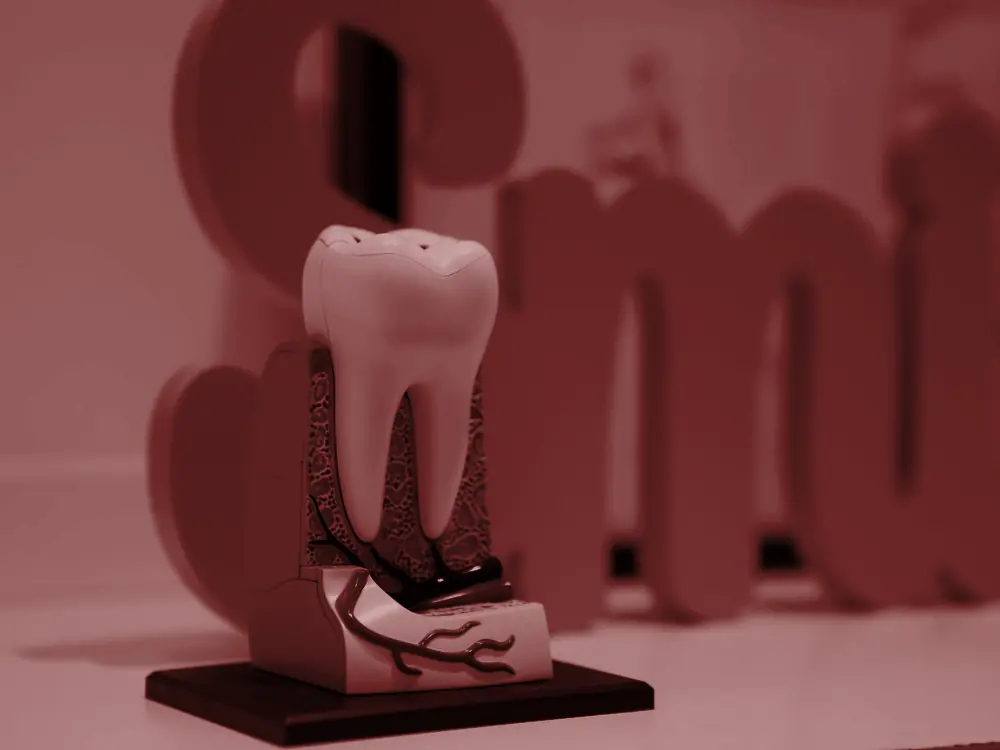
While you wear an aligner, the tray presses on one side of a tooth, and the bone around its root slowly reshapes in response: bone is removed on the side the tooth is moving towards and laid down on the side it is moving away from. The tooth travels with the bone, a fraction at a time.
Teeth are not fixed rigidly into the jaw. Each root sits in a socket, held by a thin layer of fibres called the periodontal ligament. Light pressure on the tooth is felt through those fibres, and the body responds by remodelling the bone around the root. This is the same process braces rely on.
Two things follow from this. First, the pressure has to be steady: if a tray is out for long periods, the process stalls and the tooth can drift back. Second, the bone needs to be healthy. That is why gums and bone are checked before any straightening starts, and why gum problems are treated first.
Start to finish
Aligner treatment has five steps: an assessment and scan, a digital plan, the making of your trays, wearing them with regular checks, and a retainer phase. Here is what happens in each, from your side of the chair.
A clinician looks at your teeth, gums and bite, and decides whether aligners suit your case. Your teeth are then scanned or impressions are taken.

Your teeth are moved on screen, tray by tray. You see where each tooth is planned to end up, and how many trays it takes to get there.

A model of your teeth is printed for every stage, and a tray is formed, trimmed and polished over each one in our laboratory.

You wear each tray about 22 hours a day for roughly a week. Progress is checked in person, or by photo if you live abroad.
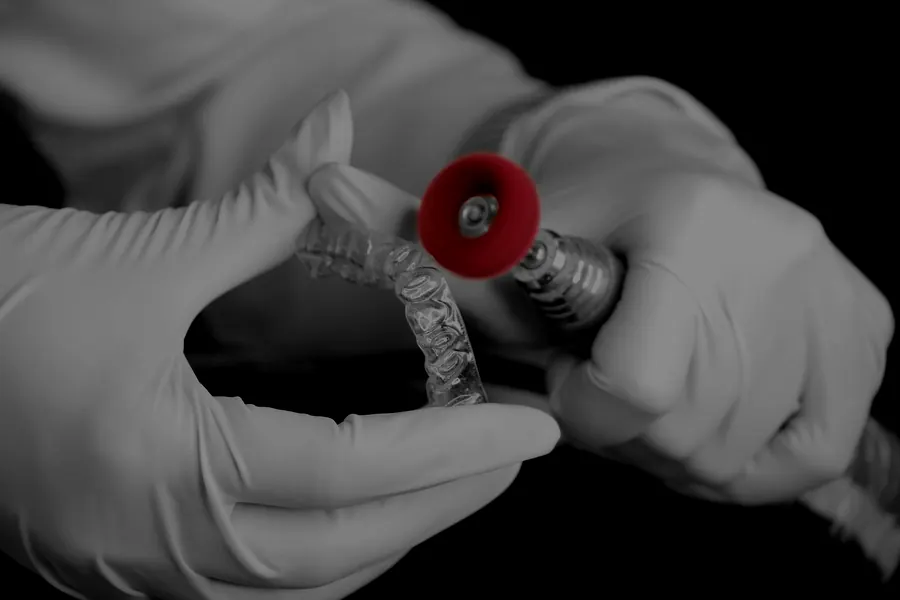
When the last tray is done, retainers hold the teeth in their new position while the bone settles around them.
Watch the journey
In practice, the aligner journey is a routine: a new tray about every week, the trays out only to eat, drink and brush, and a check on progress along the way. Our video walks through the full journey, step by step.
Most patients say the first two weeks are the adjustment: getting used to the feel, the slight pressure and the habit of brushing before the trays go back in. After that, aligners become part of the day.

Results
Yes. Teeth aligners straighten crowded, spaced and rotated teeth and correct many bite problems, provided the case suits aligners and the trays are worn about 22 hours a day. They are not a cosmetic shortcut; they move teeth through the same biological process as braces.
Where aligners do not work is when they are not worn. A tray that spends half the day in its case moves the teeth half as far as planned, the next tray then does not fit properly, and the plan falls apart. The single biggest predictor of a good aligner result is wear time.
Some problems are better treated in other ways. Severe skeletal bite problems may need braces or surgery, and some buried teeth need to be brought down with fixed appliances. A clinician tells you this at the assessment, before you commit. Our page comparing aligners vs braces goes through which problems suit which.
Wear time
You wear aligners about 22 hours a day. They come out only to eat, to drink anything other than plain water, and to brush and floss, and they stay in while you sleep. Two hours a day out of your mouth, in total, is the budget.
The reason is biological. The bone around the roots responds to steady pressure. Wearing trays for twenty two hours keeps that pressure almost constant; wearing them for twelve gives the teeth half the day to start drifting back.
In practice, this means planning meals. Patients who graze all day find aligners hard; patients who eat three meals and a snack find twenty two hours easy. Keep the case with you, take the trays out for the meal, brush, and put them straight back in.
Treatment time
Teeth aligners typically take at least six months, followed by a retainer phase of about six months. Simple cases such as a small gap can finish sooner; bite corrections and moderate crowding need more trays and take longer. Your plan shows the number of trays before you start.
Because you move to a new tray about every week, the number of trays in your plan is a good guide to the length of treatment. A plan with more trays is not a better plan; it simply reflects more movement.
Many patients notice a visible change within the first month or two, especially with gaps and crowded front teeth. Bite corrections take longer to show, because teeth have to move in a planned order before the bite changes.
Grip
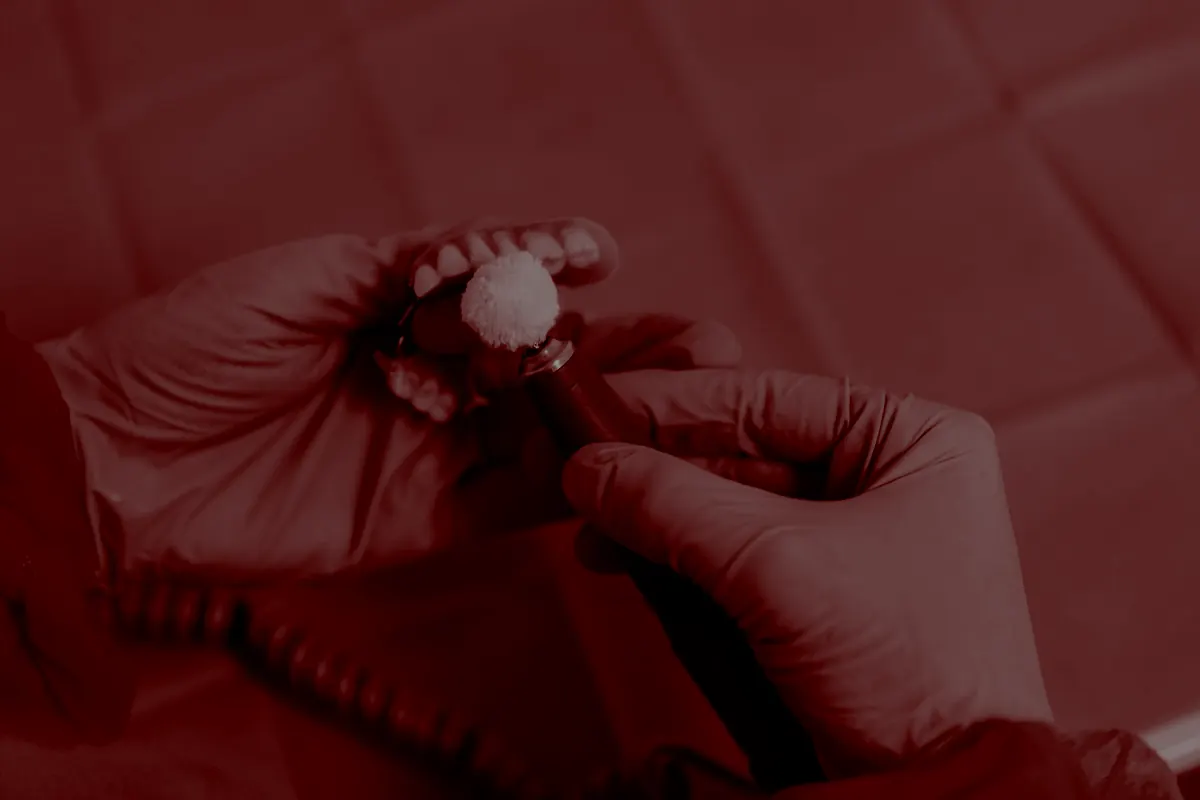
Aligner attachments are small, tooth coloured bumps of composite bonded to the surface of some teeth so the tray has something to grip. They help the aligner turn, tip or move a tooth in ways a smooth tooth surface would not allow.
Attachments are placed at the start of treatment in a quick appointment, using a template tray, and polished off at the end. They are far smaller than brackets and are matched to the colour of your teeth.
Making space
IPR, interproximal reduction, is the careful polishing of a very thin layer of enamel from between some teeth to make room for crowded teeth to line up. It is planned in advance, measured in fractions of a millimetre, and usually done in a few short steps during treatment.
IPR often avoids the need to remove a tooth to create space. It is not painful, because the enamel has no nerves, and the polished surfaces are left smooth. Our video explains when IPR is used and why it helps.

Comfort
Clear aligners do not usually hurt, but most people feel pressure or mild soreness for a day or two when they start a new tray. That pressure is the tray working, and it fades as the teeth move into the tray's shape.
The first tray is usually the most noticeable, simply because the feeling is new. Many patients switch to a new tray at night, so the first hours of pressure pass while they sleep. Soft food for the first day of a tray helps too.
What is not normal is sharp pain or a tray that cuts the gum. A rough edge can be smoothed in a minute, so tell us rather than putting up with it.
The first month
The first month of aligners is mostly about habit: getting used to the feel, the pressure of each new tray and the routine of taking trays out to eat. By the end of it, most patients barely notice the trays. These are the things patients mention most.
The trays feel tight and you notice them when you speak. Pressure is strongest on day one and fades within a day or two.
Some people have a slight lisp for a few days while the tongue adjusts. Reading aloud helps it pass quickly.
Trays come out for every meal. Brush or at least rinse before they go back in, so food is not trapped against the teeth.
Only plain water with the trays in. Tea, coffee and sweet drinks are taken with the trays out.
Usually noticeably easier than the first. The routine is in place and the pressure feels familiar.
Gaps and crowded front teeth often show a visible change within the first few trays.
Fine tuning
Refinement trays are extra aligners made near the end of treatment to fine tune the result when a tooth has not quite reached its planned position. A new scan is taken, the remaining movement is planned, and a short series of trays finishes the job.
Teeth do not always move exactly as planned. A rotated tooth may lag a little, or a gap may not fully close. Refinements correct those small differences, and many plans include them as a normal part of treatment rather than a sign that something went wrong.
Because our trays are made in our own laboratory, refinements come from the same team and the same case file, and they are made in Pakistan rather than ordered from abroad.
Checks
Progress is checked by a clinician at regular points during treatment: in person for patients in Pakistan, and from a clear photo about twelve days into each new tray for overseas patients. The check confirms the teeth are following the plan and the trays are fitting.
A well fitting tray sits flush against every tooth, with no gap at the edges. If a gap appears, the tooth is lagging behind, and catching that early is what keeps treatment on schedule. Chewies, small soft rolls you bite on, help each new tray seat fully; see our guide to using aligner chewies.
Between checks, the routine is yours: wear the tray, change on schedule, keep the trays clean. Tell us straight away if a tray stops fitting, cracks or is lost.
After the last tray
When aligner treatment ends, attachments are polished off and retainers begin. There is usually a retainer phase of about six months of regular wear while the bone around the roots settles, followed by retainers at night to hold the result for the long term.
Retainers are not optional. Teeth tend to drift back towards their old positions after any straightening, and the first months after treatment are when that pull is strongest. Patients who keep wearing retainers keep their result.
If teeth do move later, perhaps because a retainer was lost, a short course of aligners can usually bring them back.
Real cases
Results look like these: real patients treated with our aligners, before treatment and after the final tray. Each case followed the same process described on this page.
 After

 After

 After

Recording your teeth
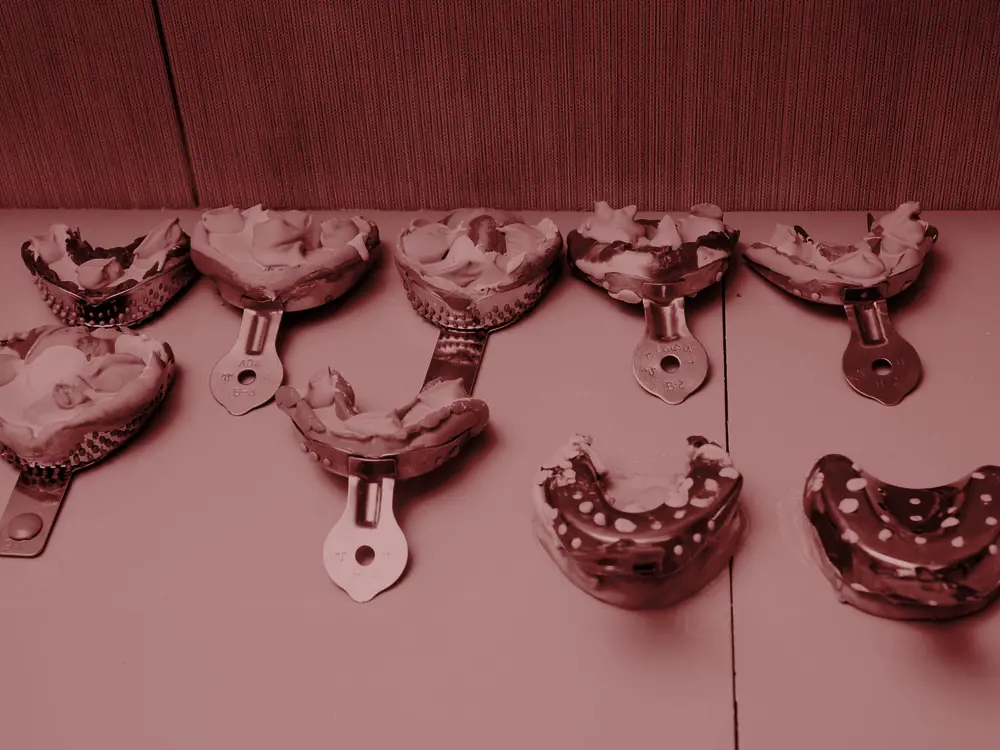
A 3D scan records your teeth with a small handheld camera that builds a digital model in minutes, with no putty in your mouth. Impressions record the same shape by biting into a soft material that sets. Both give an accurate starting point for aligner planning; the scan is quicker and more comfortable.
Our short video on 3D scanning shows how the camera moves around the teeth and how the model appears on screen as it goes. Patients who gag easily usually find scanning far easier than impressions.
For patients who cannot visit, an impression kit can be sent home, with instructions for taking impressions yourself. Whichever method is used, accuracy matters more than anything else at this stage, because every tray in the plan is built on that first record.
The plan
An aligner treatment plan is made by moving a digital model of your teeth, one stage at a time, from where they are now to where they should finish. Each stage becomes one tray. The clinician decides the order of movements, where attachments go, where IPR is needed and how far each tooth moves per tray.
Teeth cannot all move at once or in any order. A crowded tooth may need space to be made before it can move into line, and a rotated tooth may need an attachment before it can turn. The plan sequences those steps so each tray asks only for movement the teeth can actually make.
You see the plan before anything is made: the start, the planned finish and the number of trays between them. This is the moment to ask questions, such as how a particular tooth will finish or how long treatment will take, because changes are easy on screen and impossible once trays are made.
In the laboratory
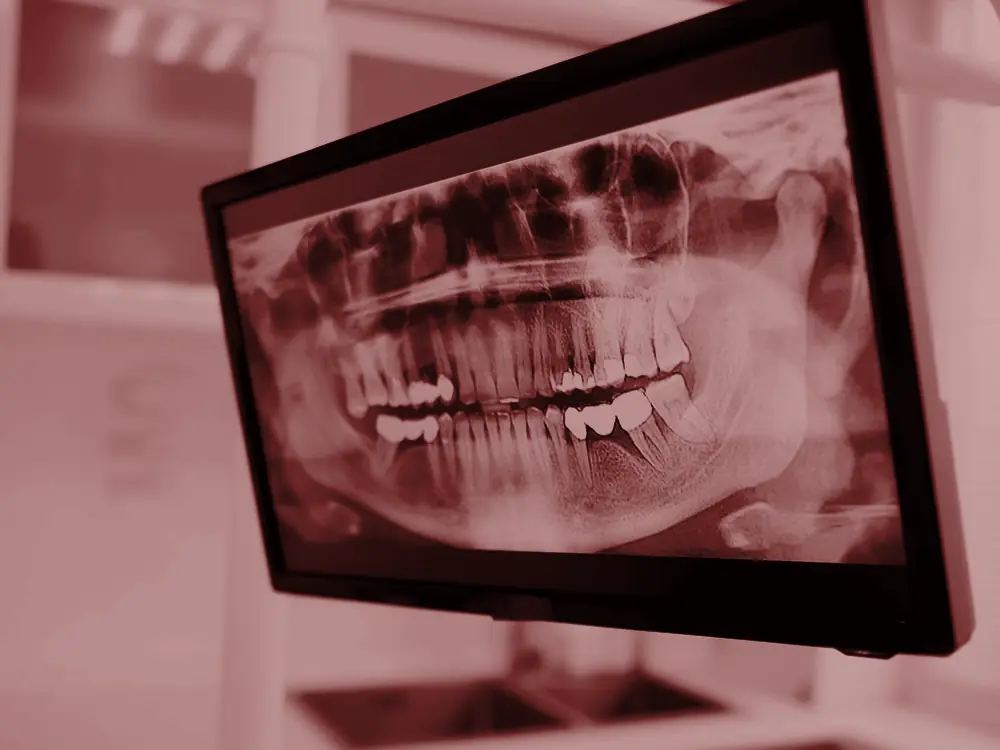
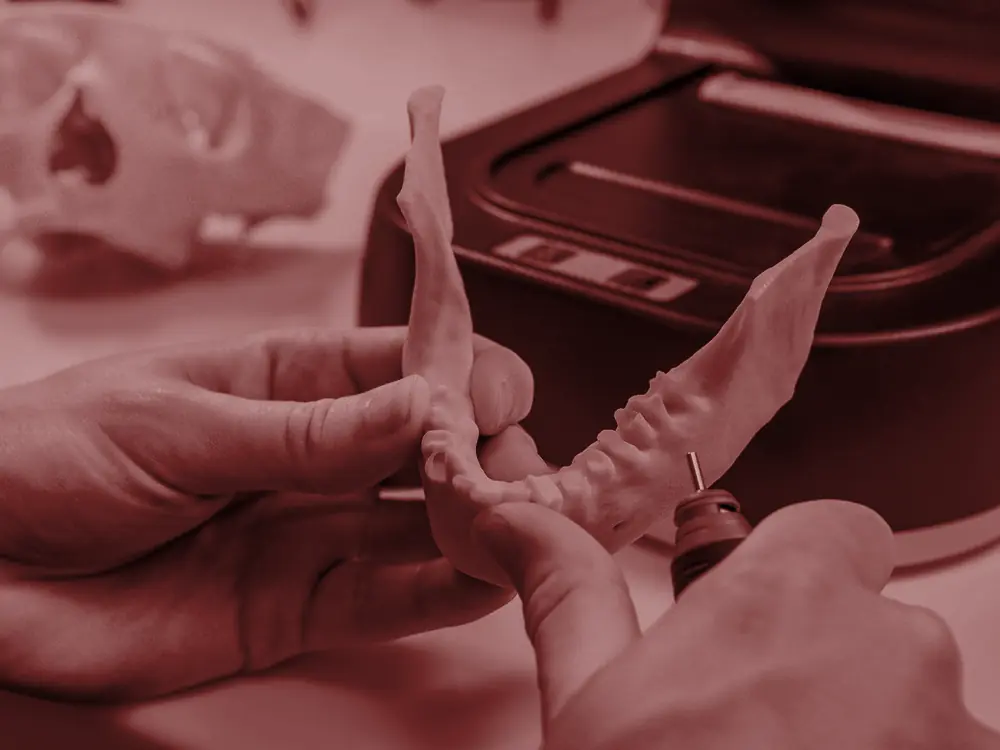
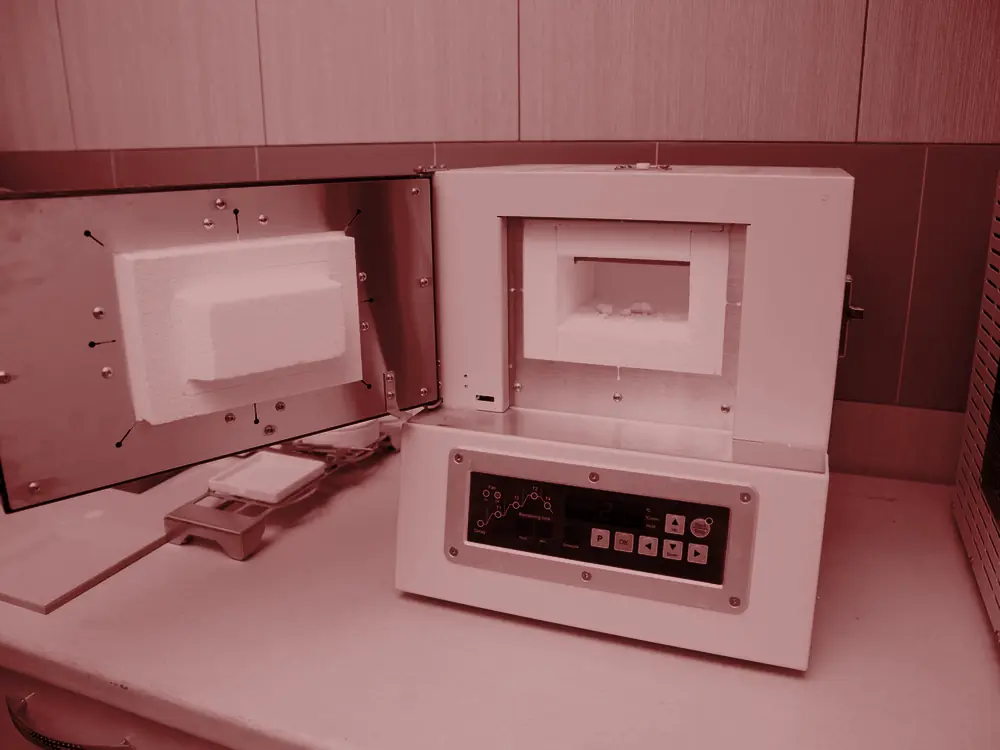
Aligner trays are made by printing a physical model of your teeth for each stage of the plan, forming a sheet of clear plastic tightly over each model with heat and pressure, then trimming the tray to follow the gum line and polishing the edges smooth. Every tray is then checked, numbered in wear order and packed.
In our laboratory in Pakistan, the models come from 3D printers and the trays are finished by hand. The trimming line matters more than people think: a tray cut too short grips poorly, and one cut too long rubs the gum.
Because the whole series comes from one case file in one place, a replacement or a refinement tray can be made from the same data without starting again.
Safe pace
No, when the plan is made by a clinician. Each tray is limited to a small movement so the bone has time to remodel, and the schedule of about a week per tray keeps the pace gentle. Teeth are pushed too fast only when trays are skipped or changed early.
Moving teeth faster than the bone can follow risks soreness, loosening and damage to the roots. That is why we ask patients never to jump ahead to the next tray to save time. A tray that still feels tight on the day it is due to be changed may need a few more days, and that is fine.
Aligners ordered online without a clinical plan carry exactly this risk, because nobody has checked the gums, roots or bone before the teeth are moved.
Crowns and implants
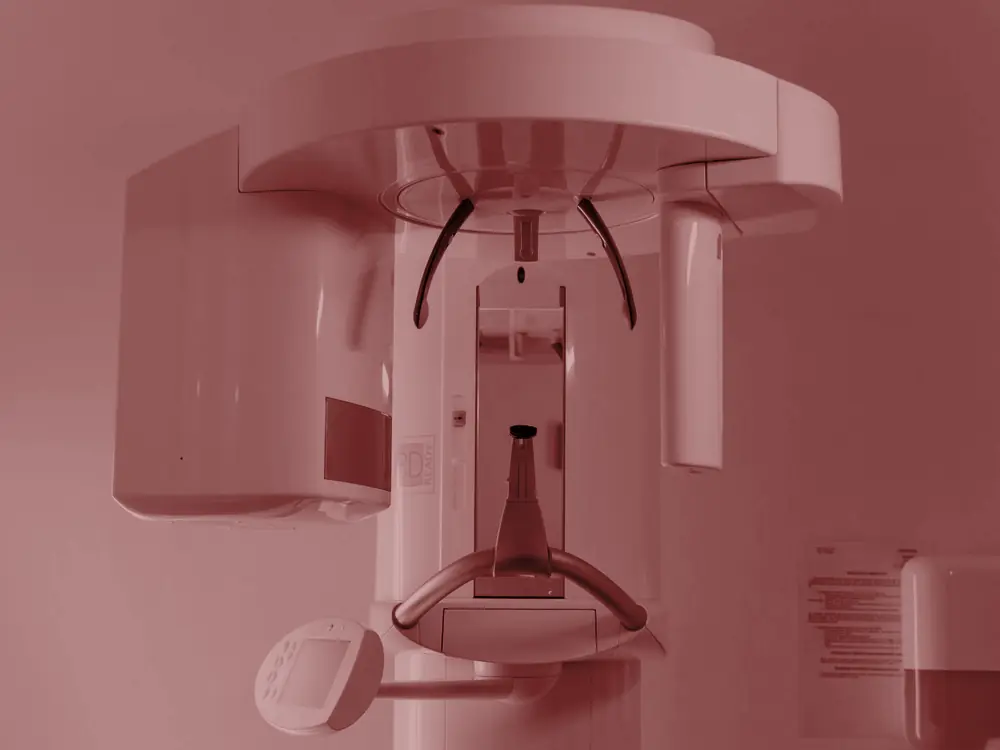
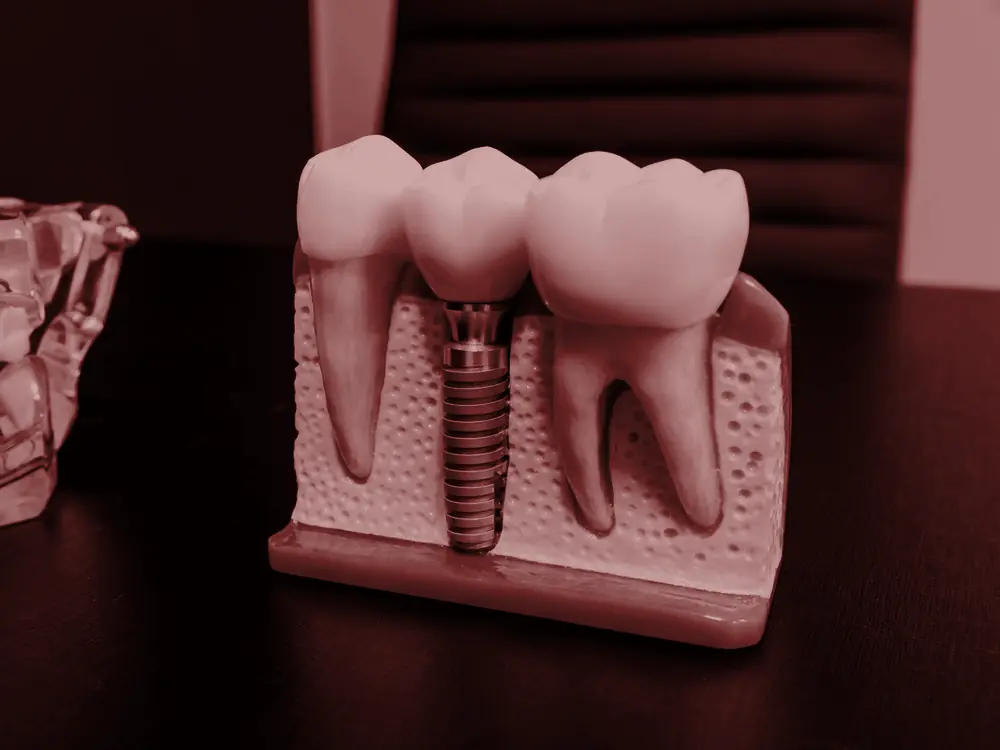
Aligners work around most crowns and veneers, but dental implants cannot be moved by aligners or braces, because an implant is fused to the bone. The plan simply moves the natural teeth around an implant, treating it as a fixed point.
Crowns and veneers move with the tooth underneath them. The only difference is that attachments bond less readily to porcelain than to enamel, so the clinician may place them on other teeth or use a different approach.
Tell us about any crowns, veneers, bridges or implants at the assessment. They do not usually rule aligners out, but they do change how the plan is built.
Everyday life
Yes. Most people speak normally within a few days, work without anyone noticing the trays, and sleep with them in without trouble. The trays are thin and follow the shape of the teeth closely, so they quickly stop feeling unusual.
Meetings, calls and presentations are rarely a problem after the first week. Some patients keep a small case and a travel toothbrush at work, so lunch does not mean trays sitting in a napkin, which is how many trays get lost.
Sleep is where most of the 22 hours comes from, so wearing trays at night is essential. If you grind your teeth, tell us; the trays can also protect the teeth at night, but grinding can wear them faster.
Problem by problem
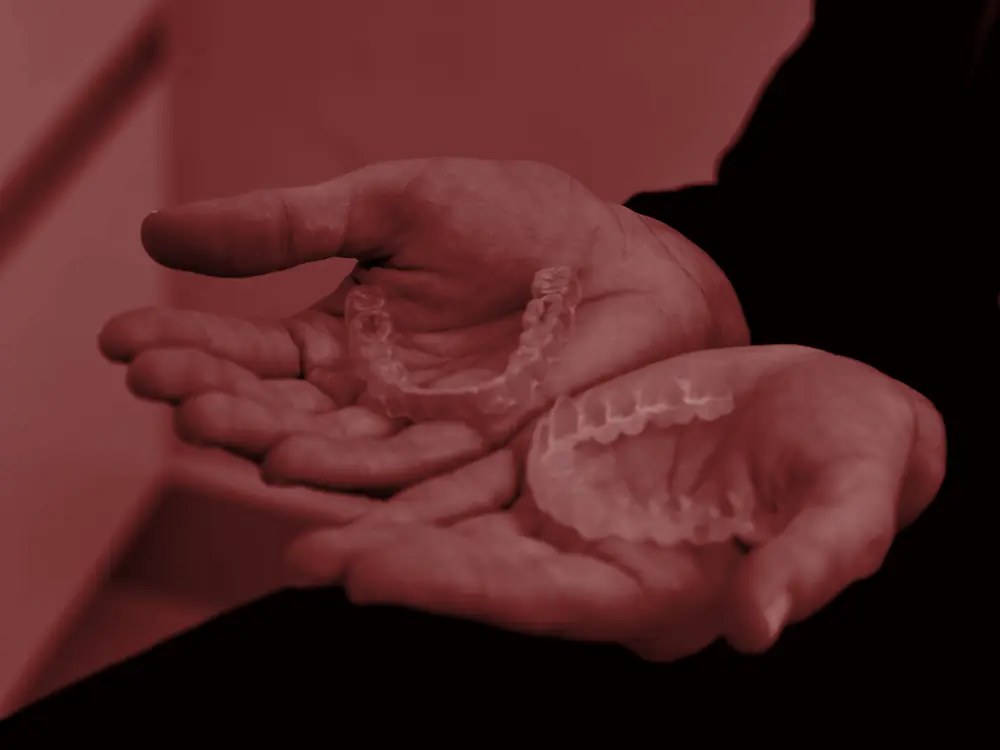
How teeth aligners work depends on the problem being fixed. For crowding, the trays first make space and then line the teeth up; for gaps, they walk the teeth towards each other; for bite problems, they move the teeth of both arches so the upper and lower teeth meet correctly.
Space comes first. The plan may widen the arch slightly, tip teeth into better positions or use IPR to create the room each tooth needs, then the trays guide the teeth into line.
Teeth are moved towards each other in sequence, and the final trays hold the closed gap while the bone settles. A retainer then keeps it closed.
Attachments give the tray something to push against, so the tooth can be turned a little with each tray.
Overbites, crossbites and open bites need both arches planned together. Understanding how teeth aligners work on the bite is why these cases are always assessed in person first: the cause, whether teeth or jaw, decides whether aligners can correct it.
Not for everyone
Aligners are not right for people with untreated gum disease or decay, for most skeletal bite problems that need surgery, for buried teeth that must be pulled into place, or for anyone who will not wear trays 22 hours a day. Young children with mostly milk teeth usually need different treatment too.
Gum disease and decay are not permanent barriers. Once they are treated and the gums are healthy, aligner treatment can usually start. Moving teeth through inflamed gums, on the other hand, can speed up bone loss, which is why we check first.
The most common reason we recommend against aligners is honesty about routine. If a patient tells us they often forget things or eat throughout the day, braces may serve them better, and we would rather say so at the start.
Looking after trays
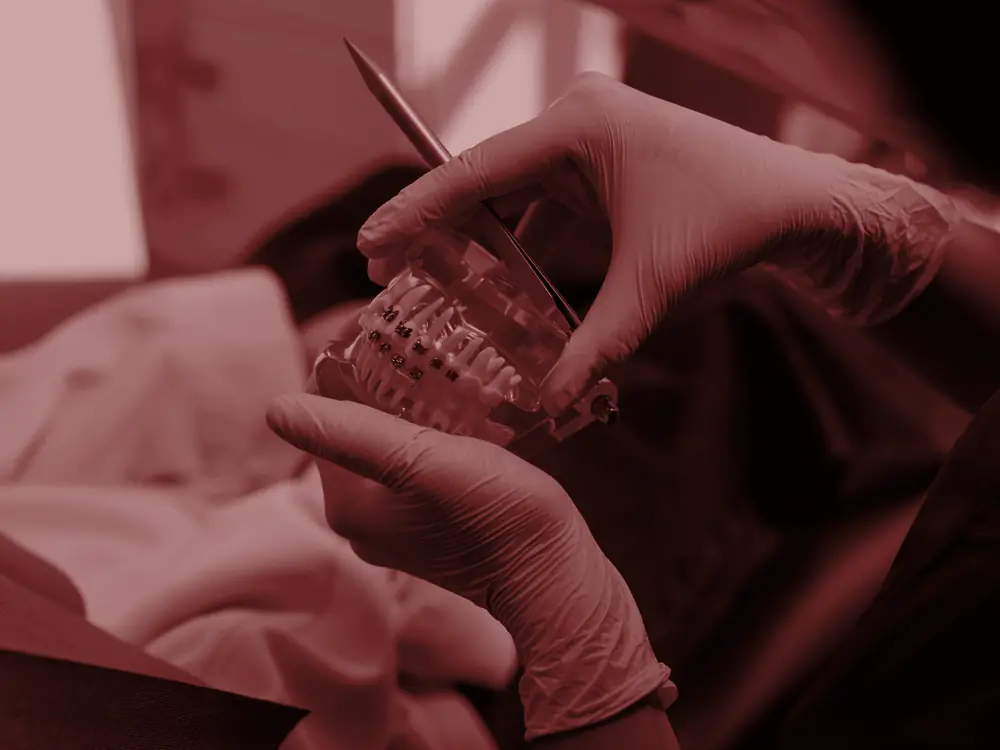
Look after aligner trays by rinsing them every time they come out, brushing them gently each day with a soft brush and cool water, and keeping them in their case whenever they are not in your mouth. Avoid hot water, which can warp the plastic, and coloured or abrasive toothpaste, which can scratch and dull it.
Clean teeth keep trays clean. Brush and floss before putting trays back after a meal, so food and sugar are not held against the teeth for hours. A water flosser helps clean around attachments and between the teeth quickly.
Our short video on cleaning aligners shows a simple five step routine. Each tray is only worn for about a week, so a little daily care keeps it clear and fresh until it is time to change.
From abroad
Aligners work the same way for patients abroad, with progress checked remotely. After an assessment and a scan or impressions, your trays are made in our laboratory in Pakistan, and you send a clear photo about twelve days into each new tray so a clinician can confirm the fit and the progress.
Remote treatment suits spacing, crowding and mild rotations best. Bite problems usually need to be seen in person at least once, so we may ask you to plan the first appointment around a visit home.
If a tray is lost abroad, tell us straight away and wear the previous tray while a replacement is made and sent.
Avoid this

Aligners stop working when they are not worn enough, when trays are changed too early, or when a tray is used after it has stopped fitting. All three let the teeth fall behind the plan, and the further behind they fall, the harder it is to catch up.
Less than about 22 hours a day is the most common reason aligners underperform. The trays move teeth only while they are in.
Moving to the next tray before the current one has done its work means the new tray does not fit, and the teeth are pushed further than they can follow.
Very hot drinks, or leaving trays in a hot car, can warp the plastic so it no longer fits the teeth.
Small problems caught at a check are easy to fix. The same problems found months later can mean refinements or a revised plan.
Questions
Teeth aligners work by applying light, steady pressure through a series of custom clear trays. Each tray is slightly different from the last, so wearing them in order moves the teeth a little at a time until they reach the planned position.
Aligners straighten teeth for good as long as retainers are worn afterwards. Without retainers, teeth tend to drift back towards their old positions, which is true of any straightening treatment.
Dental aligners are made of thin, clear medical grade plastic sheet. Ours are formed from material imported from the USA over models printed in our laboratory, then trimmed and polished by hand.
You usually change to a new tray about every week, following the schedule in your plan. Changing early, before a tray has done its work, makes the next tray fit badly.
Yes. Aligners are worn about 22 hours a day, and sleep is a large part of that. Taking them out at night would leave the teeth without pressure for hours and slow treatment.
Yes, for a few hours occasionally, such as a wedding photograph. Put them straight back in afterwards and make up the time by keeping them in for the rest of the day.
Yes. Aligners work at any age once the adult teeth are through, as long as the gums and bone are healthy. Many of our patients are adults whose teeth crowded again after braces years ago.
Attachments are made of tooth coloured composite, the same kind of material used for white fillings. They are bonded to the tooth surface and polished off at the end of treatment.
Yes, when it is planned and measured. IPR removes only a very thin layer of enamel from between certain teeth to create space, and the surfaces are polished smooth afterwards. It is not painful.
Clear aligners do not usually hurt, but a new tray causes pressure or mild soreness for a day or two as the teeth start to move. Switching trays at night and eating soft food on the first day helps.
Wear your previous tray and tell us straight away, so a replacement can be made from your existing plan. Going without a tray for days lets the teeth drift back.
No. Take the trays out to eat, then brush or rinse before putting them back. Eating with trays in can crack them and traps food against the teeth.
Only plain water. Take the trays out for tea, coffee, juice and fizzy drinks. Hot drinks can warp the plastic, and sweet drinks trapped under a tray can harm the teeth.
Rinse the trays whenever you take them out, and brush them gently with a soft toothbrush and cool water each day. Avoid hot water, which can warp them, and keep them in their case when not in your mouth.
A refinement tray is an extra aligner made near the end of treatment to fine tune a tooth that has not quite reached its planned position. A new scan is taken and a short series of trays finishes the job.
A properly fitting aligner sits flush against every tooth, with no gap between the tray edge and the tooth. Using chewies helps seat each new tray. If a gap persists, tell us at your next check.
Aligners can correct many bite problems, such as some overbites, crossbites and open bites, as well as straightening teeth. Bite cases always need a clinical assessment first, because the cause decides the treatment.
Yes. Retainers start when treatment ends. There is usually a retainer phase of about six months of regular wear, followed by night time wear to hold the result for the long term.
Yes. Invisible braces, transparent braces and clear braces are everyday names for clear aligners: removable clear trays rather than brackets and wires.
You should not smoke with aligners in, because smoke stains the clear plastic and heat can affect the fit. Take the trays out, and brush before putting them back. Stopping smoking also helps the gums during treatment.
Aligners move teeth, not bones, so they do not change the shape of your face. Straightening protruding front teeth can change how the lips sit, which some patients notice as a softer profile.
Sometimes, if the gap is small and the neighbouring teeth can move into it safely. Larger gaps from missing teeth usually need a replacement tooth, and the plan may move teeth to make the right space for it.
Many women continue aligner treatment during pregnancy, as no medication is involved. Gums can become more sensitive in pregnancy, so tell us, and we may suggest more frequent cleaning checks.
Often, yes. A single crooked or rotated tooth can sometimes be treated with a short plan. The rest of the arch is still checked, because moving one tooth can affect how its neighbours and the bite fit together.
Book a consultation. A clinician examines your teeth and bite, tells you whether aligners suit your case, and takes a scan or impressions so your plan and written price can be prepared.
Keep reading
A clinician examines your teeth and bite, explains your plan step by step and tells you honestly if aligners suit your case.