

01
Get in touch
WhatsApp or call 0330 3050007, or send the form, and choose a time at the Lalazar branch.

Teeth Aligners / Rawalpindi
Teeth aligners in Rawalpindi from our own branch in Lalazar, with assessment and review appointments led by Dr Ramsha Nawaz. Every plan is approved by a clinician and every tray is made in our laboratory in Pakistan, which keeps a full course at PKR 2 to 5 lakh. Book a free consultation to see whether aligners suit you.
The short answer
Lalazar, RawalpindiOur own Rawalpindi branchYou can get teeth aligners in Rawalpindi at our branch on Main Ali Chowk, Dhoke Bahaar Shah, Lalazar 2, where Dr Ramsha Nawaz leads assessment and review appointments. A full course is PKR 2 to 5 lakh, and every tray is made in our own laboratory in Pakistan.
Call or WhatsApp 0330 3050007 to book a free consultation, or use the form below. You will know whether aligners suit your teeth before you commit to anything.
Key facts
The key facts about our Rawalpindi branch, in one table: the address, the clinicians, the price and what treatment involves day to day.
| Detail | Rawalpindi |
|---|---|
| Branch address | Main Ali Chowk, Dhoke Bahaar Shah, Lalazar 2, Rawalpindi |
| Phone and WhatsApp | 0330 3050007 |
| Lead clinician | Dr Ramsha Nawaz, orthodontic clinician |
| Also seeing patients | Dr Obaid Ur Rehman |
| Second twin city location | Office 20, 1st Floor, Capital Plaza, G-11 Markaz, Islamabad 44000 |
| First consultation | Free of charge |
| Full course | PKR 2 to 5 lakh, confirmed after assessment |
| Daily wear | 22 hours minimum |
| New tray | About once a week |
| Retainer phase | About six months, with supervised follow up |
| Manufacture | Our own laboratory in Pakistan |

Your clinician
Dr Ramsha Nawaz leads aligner treatment in Rawalpindi as our orthodontic clinician. She handles assessment and review appointments across Rawalpindi and Islamabad and supervises follow up during the retainer phase. She is a gold medalist from Army Medical College and an FCPS resident in orthodontics.
Her clinical training includes AFID and CMH Rawalpindi, and she also practises at Dental Enclave in Bahria Town Phase 7 and Esthetic Square in DHA Phase II. Her focus is clear aligners and braces, for adults and for children seeing an orthodontic clinician for the first time.

Also in Rawalpindi
Dr Obaid Ur Rehman also sees aligner patients in Rawalpindi. A graduate of Army Medical College, he has treated patients with both braces and clear aligners, so he can explain plainly which of the two suits your teeth.
Having two clinicians in the city makes appointment times easier to find, and a second opinion is close at hand when a case needs one.
Why Teeth Aligners
Choose Teeth Aligners in Rawalpindi because the branch is ours, the clinicians are named, and the laboratory that makes your trays is in Pakistan, so the people who plan your treatment and the team that makes it work together.
Our own branch in Lalazar, and our G-11 Markaz office in Islamabad if that suits your commute better.
Dr Ramsha Nawaz leads assessments and reviews, and Dr Obaid Ur Rehman also sees aligner patients.
Trays printed, thermoformed on USA imported sheet and hand finished in Pakistan.
Dr Ramsha supervises the retainer phase, when a new result is most at risk.
A full course costs PKR 2 to 5 lakh, confirmed after a free assessment.
The bite corrections on this page were treated with our own aligners.
Book a free consultation in Lalazar and find out whether aligners suit your teeth, how many trays you would need and the full course price.
Price
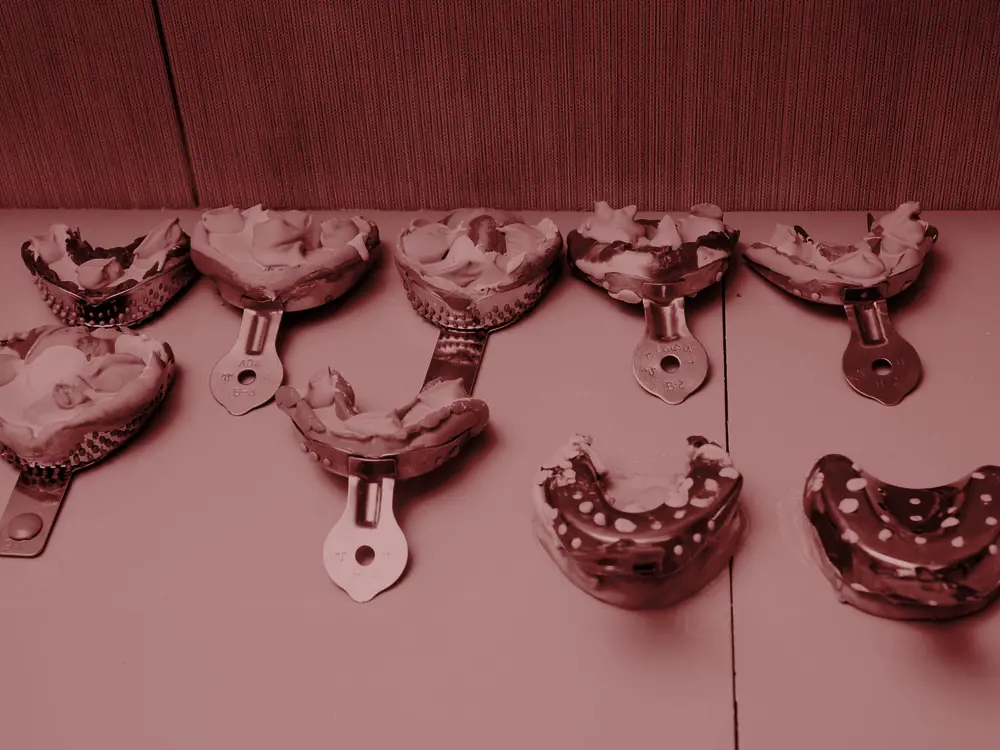
Teeth aligners in Rawalpindi cost PKR 2 to 5 lakh for a full course with us, the same as in our other cities. Where your case falls in that range depends on how many trays your teeth need: a short plan for a small gap sits low, while crowding with rotations or a bite correction sits higher.
Three things move the price: how far the teeth have to travel, whether the bite needs correcting as well as the alignment, and how many stages the plan needs to do it safely. Your clinician can only judge these after examining you, which is why the exact figure comes after the free assessment.
For the detailed breakdown, read our guide to the aligners price in Pakistan, which also shows what to compare between quotes.
Comparing options
Aligners are better value when your case suits them and you want treatment that is removable and hard to see; braces can be the better choice for complex movements, and for patients who know they will not wear trays 22 hours a day. Compare the full course, retainers included, rather than the first payment.
When you compare quotes, ask each provider what happens if a tooth does not move as planned, how many reviews are included, and who makes the retainer at the end. Those answers decide the real cost of treatment.
Our side by side comparison of aligners vs braces covers comfort, speed, hygiene and results as well as cost.
The words people use
Invisible braces in Rawalpindi usually means clear aligners: transparent, removable trays that each move the teeth a fraction of a millimetre, worn about 22 hours a day and changed roughly every week. Ours contain no metal at all.
Patients arrive using many names, from transparent braces to clear braces to invisible aligners, and all of them describe the same idea. What matters is not the name but who plans the movement and how carefully the trays are made.
Because the trays come out, you eat what you like and brush normally, which is the biggest daily difference from fixed braces.
Brands
Invisalign is an imported brand from the United States; the alternative we offer in Rawalpindi is our own clear aligners, planned by clinicians and made in our laboratory in Pakistan. Both move teeth with a staged series of clear trays, so the real differences are cost, speed of replacements and who you deal with.
An imported tray series is priced in foreign currency and shipped in, so replacements and refinements wait on delivery from abroad. Ours are made from the case file we hold in Pakistan, on clear sheet imported from the USA.
Our guide to the Invisalign price in Pakistan compares the two in detail, including what is usually included in each price.
Choosing a provider
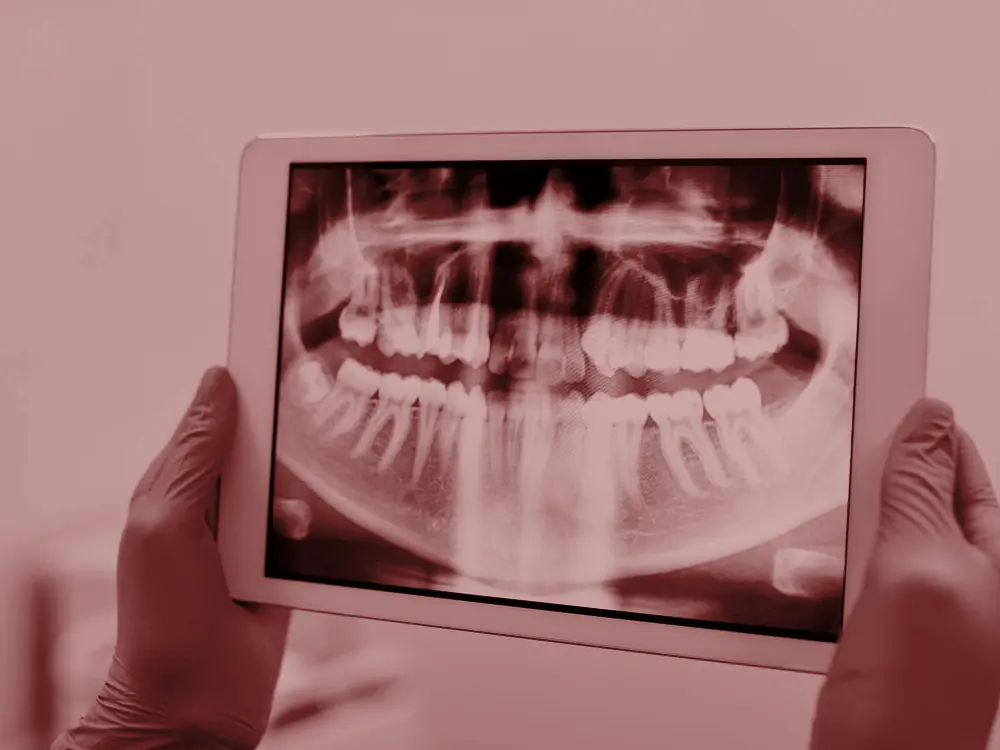
The best aligners in Rawalpindi come with a proper examination, a clinician approved plan, refinements when a tooth lags, and a supervised retainer phase. Without those, any brand of tray is a gamble with your teeth.
Our best aligners in Pakistan buyer's guide explains each of these points in depth.
Getting started
Starting aligner treatment in Rawalpindi follows five steps, and the first one costs nothing.
WhatsApp or call 0330 3050007, or send the form, and choose a time at the Lalazar branch.
Your teeth, gums and bite are checked and your goals discussed with a clinician.

Impressions of both arches are taken for the laboratory, with an x-ray if your case needs one.

A clinician approves your movement plan and your full course price is confirmed.

Your trays arrive from our laboratory and are fitted with your wear routine.
Your first appointment
Bring any dental x-rays from the last few years, records or photos from earlier braces or aligners, a list of medicines you take, and a clear idea of what you want to change about your smile. Each one helps the clinician give you a more accurate answer on the day.
If you are booking for a child or teenager, a parent or guardian should come too. Decisions about treatment, wear and cost are easier when the whole family hears the same explanation.
Write your questions down before you arrive. Most people think of the important one on the way home.
Useful ones to start with: does my case suit aligners, how many trays will it take, what does the full course cost, how often will I be seen, and what happens if a tooth does not move as planned. A good consultation answers all five clearly, and our clinicians expect to be asked.
Before you start
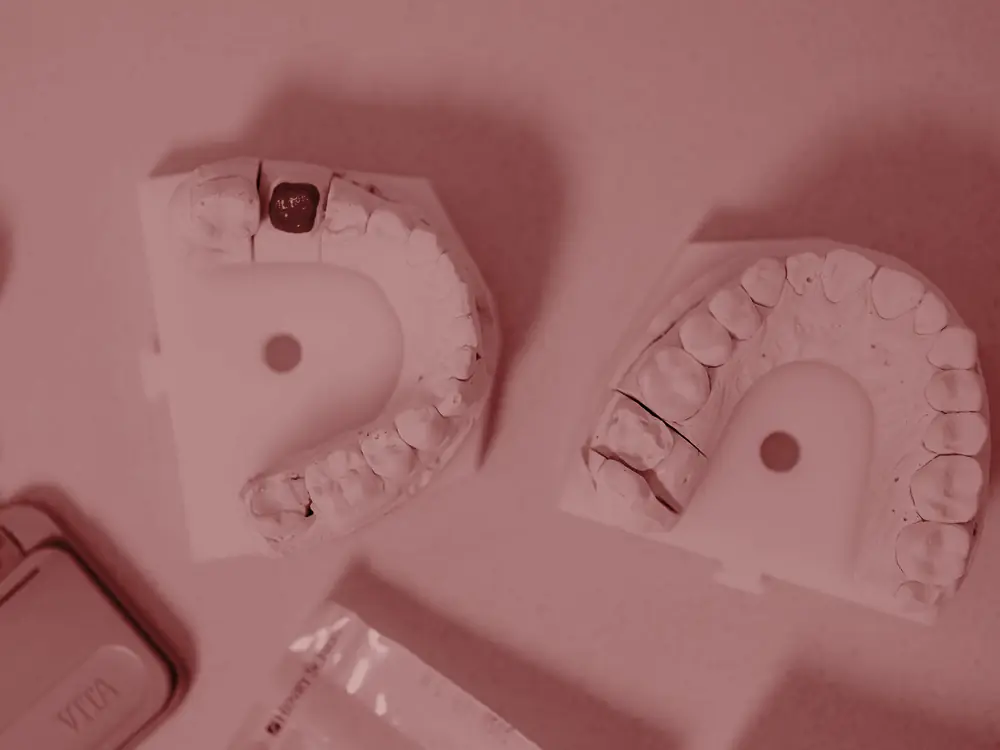
Sometimes. Cavities, inflamed gums, broken fillings and loose crowns are treated before aligners start, because trays fit tightly over the teeth and a problem left underneath them gets worse rather than better.
Your examination identifies anything that needs attention first. Often it is a simple scale and polish or a filling, and treatment can begin soon afterwards.
If you need crowns or veneers in the long run, mention it. Straightening the teeth first can make that later work simpler and preserve more of your natural tooth.
Honest limits
Aligners cannot fix teeth that are impacted in the bone, jaws that are out of line with each other, or crowding so severe that teeth must be removed and their roots moved a long way. Those cases need fixed braces, surgery or a specialist plan, and we will say so at your assessment.
Being told no is not a wasted visit. You leave knowing what your teeth actually need, and which kind of treatment to look for next.
Some cases sit in between, where aligners can do most of the work but a short phase with another appliance would finish it better. Your clinician will explain the options and their trade offs before anything is planned.
Fitting day
On the day you get your trays, any planned attachments are bonded to your teeth, your first tray is fitted and checked, and you practise putting it in and taking it out until it feels easy. You leave with your kit, your tray schedule and a date for your first review.
Attachments are small tooth coloured bumps that give the trays something to push against. They are placed using a template, take only a few minutes and come off at the end of treatment.
Ask every question you have on this day, however small: how to clean, what to do if a tray cracks, when to call. Our team would rather answer it now than have you guess at home.
Safety
Yes, aligners are safe for your gums and enamel when your teeth and gums are healthy at the start and you keep them clean throughout. Because the trays come out, brushing and flossing are easier than with fixed braces.
Where a plan needs a little space between teeth, a very small amount of enamel is polished from the contact points, an amount planned in advance and limited to what the tooth can safely lose. Your clinician will tell you before treatment if your plan includes this.
The real risk to enamel during treatment is sugar trapped under the trays. Plain water only while they are in protects your teeth far more than anything else.
Busy weeks
If you miss a review appointment, call or WhatsApp us to rebook as soon as possible and keep wearing your current tray as instructed. Do not race ahead through several trays to catch up, because teeth that have not been checked can fall behind the plan without you noticing.
A short delay is rarely a problem. A long gap without reviews is where small tracking issues grow into a refinement that could have been avoided.
Reviews
At a review appointment, your clinician checks that the current tray seats fully, that every tooth is keeping pace with the plan, that the attachments are intact and that your gums are healthy. Small problems caught here are easy to put right.
In Rawalpindi these reviews are handled by Dr Ramsha Nawaz. Bring your current tray, your previous tray and your case, and mention anything that has felt different, from a sore spot to a tray that suddenly feels loose.
Between reviews, you change trays at home on the schedule you were given. The reviews are there to make sure the schedule is still right for your teeth.
Problems we treat
We treat most mild to moderate problems with tooth position and many dental bite problems in Rawalpindi. Each has its own detailed guide.
Overlapping or rotated teeth, one of the most common reasons to start. Read about aligners for crooked teeth.
Teeth that bite on the wrong side of their opposite numbers. See aligners for crossbite.
Teeth that moved after earlier treatment, usually a short plan to bring them back.
Results
Our aligners have corrected bite problems like these real cases from our laboratory.
 After

 After

 After

Timeline
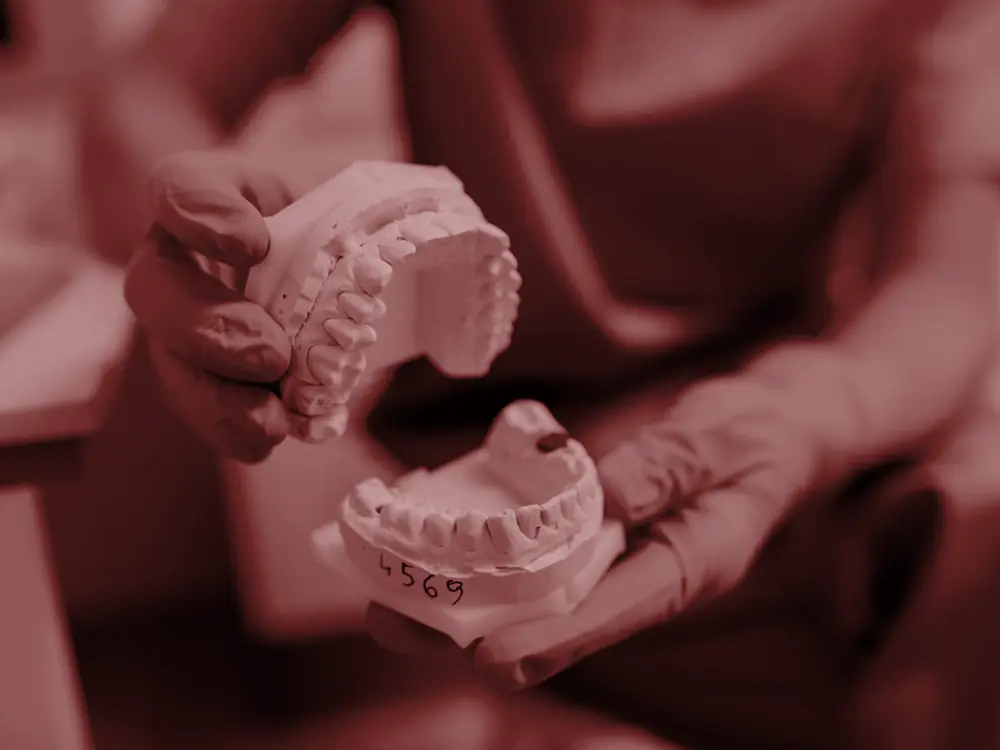
Aligner treatment lasts at least about six months of active wear for a simple case, with a retainer phase of about six months afterwards; crowding and bite corrections take longer. The length is set by the number of trays in your plan, at roughly one tray a week.
The biggest single factor you control is wear time. Trays out for long lunches, forgotten overnight or left in the case during an evening out all slow the teeth down, and a tray that stops fitting can cost more time than it saved.
Your clinician shows you the tray count before you start. Our guide to how teeth aligners work explains why each tray moves the teeth only a little at a time.
Getting used to them
The first week with aligners usually brings a day or two of pressure on the teeth, a slight lisp, a little extra saliva and some practice at taking the trays in and out. By the end of the week most patients have stopped noticing them.
Use the aligner tools from your kit for removal until your fingers learn the technique, working from the back teeth forward. Pulling at the front of a tray can bend it.
Soft food for the first evening helps if the pressure feels strong, and putting each new tray in at bedtime lets you sleep through the tightest hours.
Eating

You can eat anything you like with aligners, because the trays come out for every meal. Nihari, roti, chaat and sweets are all fine, provided the trays are out while you eat and your teeth are clean before they go back in.
In the first days of each new tray, softer food is more comfortable while the teeth adjust. After that, the only rule is the routine: out, eat, clean, back in.
Grazing is the habit that causes trouble. Snacking all afternoon keeps the trays out for hours, so it helps to keep meals and snacks to set times.
After treatment
The retainer phase matters because teeth are least stable in the months straight after they stop moving, while the bone and gum fibres around them settle. About six months of regular retainer wear, then night wear for the long term, protects the result you paid for.
In Rawalpindi, Dr Ramsha supervises follow up during this phase, so a tooth that starts to slip is noticed early. Skipping these checks is the most common reason a good result fades.
Our guide to clear retainers covers how they are made, how long they last and how to clean them.
Families
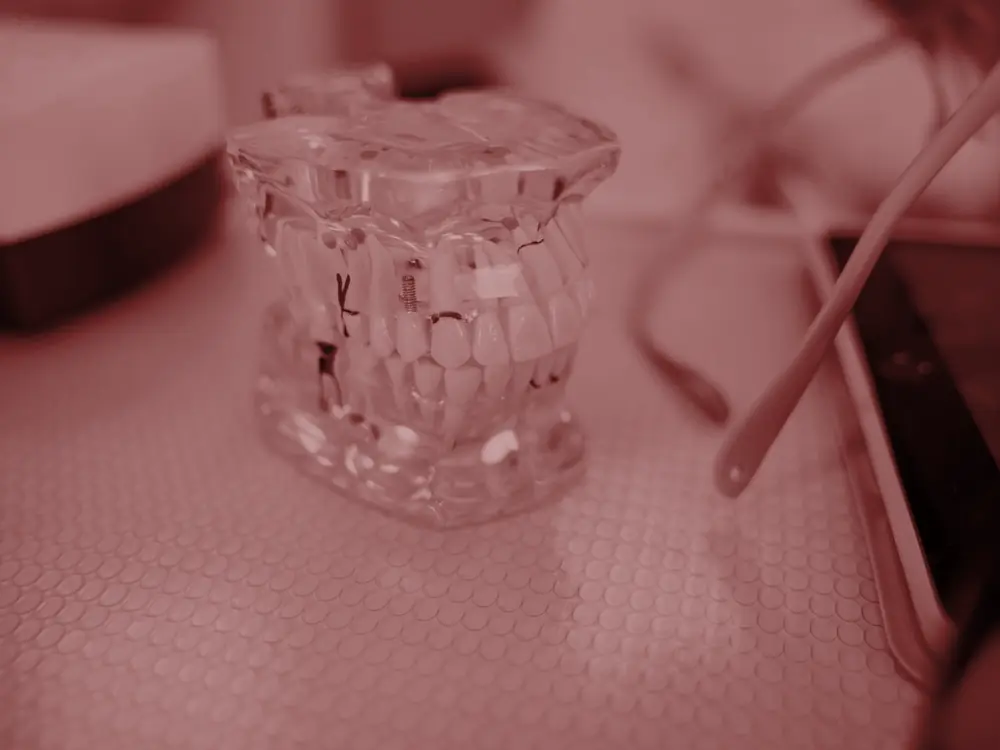
Teenagers in Rawalpindi can have aligners once most permanent teeth are through and they will wear the trays about 22 hours a day; younger children are assessed individually, because growth can change what treatment they need.
A first visit with an orthodontic clinician is useful even when treatment is not due yet. Some problems are easier to manage when they are spotted early, and parents leave knowing what to watch for.
For teenagers, removable trays mean no broken brackets before exams and no food restrictions at school. Our article on clear aligners for teens answers the questions parents ask most.
Fasting
Yes, you can wear aligners while fasting, and many patients find wear time easier in Ramadan because the trays stay in all day while they are not eating or drinking. Take them out for sehri and iftar, clean your teeth, and put them back in.
The challenge is the evening. Iftar, chai and late meals can keep trays out for long stretches, so plan the evening with the trays going back in between meals rather than staying in the case until bedtime.
Keep the case and a folding toothbrush with you at iftar gatherings. A tray wrapped in a napkin on a crowded table is the classic way to lose one.
Active life
Yes. Aligners do not stop you playing cricket, football or training at the gym, and because there are no brackets there is nothing metal to cut your lips if you take a knock. For contact sport or a hard ball near the face, ask your clinician about protection for the game.
Drink plain water while you play. Sports drinks are sugary and acidic, so take the trays out for them and rinse before the trays go back in.
If a tray is knocked out or cracks during a match, put it in its case and call us. Do not try to bend it back into shape.
Change of plans
If you move city during treatment, your aligner plan moves with you: you can continue at our locations in Islamabad, Lahore, Sargodha or Gilgit, or be followed remotely, because every tray comes from one laboratory and your case file stays with us.
Families who move for work or postings should mention it at the start. Trays can be issued in sets to bridge a move, and reviews can be arranged at the nearest location.
If the move is abroad, our page on teeth aligners from abroad explains how treatment continues from another country.
Hot weather
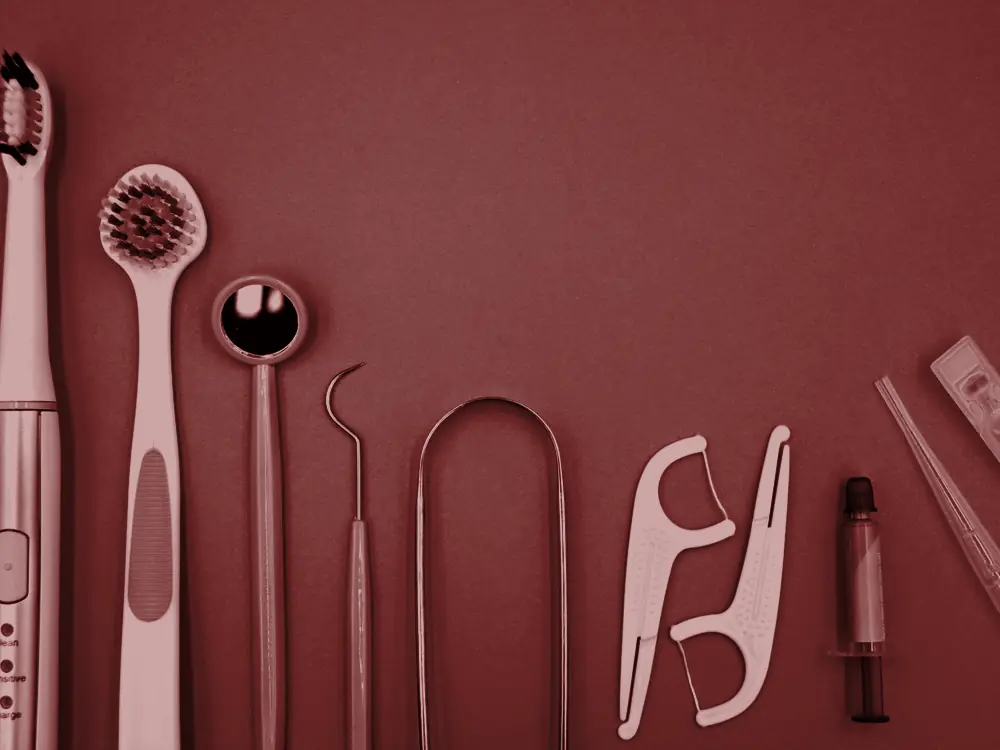
Look after aligners in summer by keeping them out of hot cars and direct sun, cleaning them only in cool water, and drinking plenty of plain water with the trays in. Heat can warp the plastic, and a warped tray no longer fits.
Summer also brings more cold drinks, and most of them are sweet. Sugar held against the teeth under a tray for hours is a recipe for decay, so trays come out for anything except water.
Carry the case rather than putting trays in a pocket, where body heat and pressure can distort them.
Study days
Aligners fit around college or university easily: they are hard to notice in class, they do not affect your voice after the first days, and they come out for the canteen. The routine to build is trays out, eat, clean, trays back in.
A small pouch with your case, a folding toothbrush and travel toothpaste covers a full day on campus. If you cannot brush after eating, rinse well with water and brush at the next chance.
Exam weeks are when routines slip. Set a reminder on your phone for tray changes and keep wearing them through late nights, because hours lost in a stressful week are hard to make up.
On the move
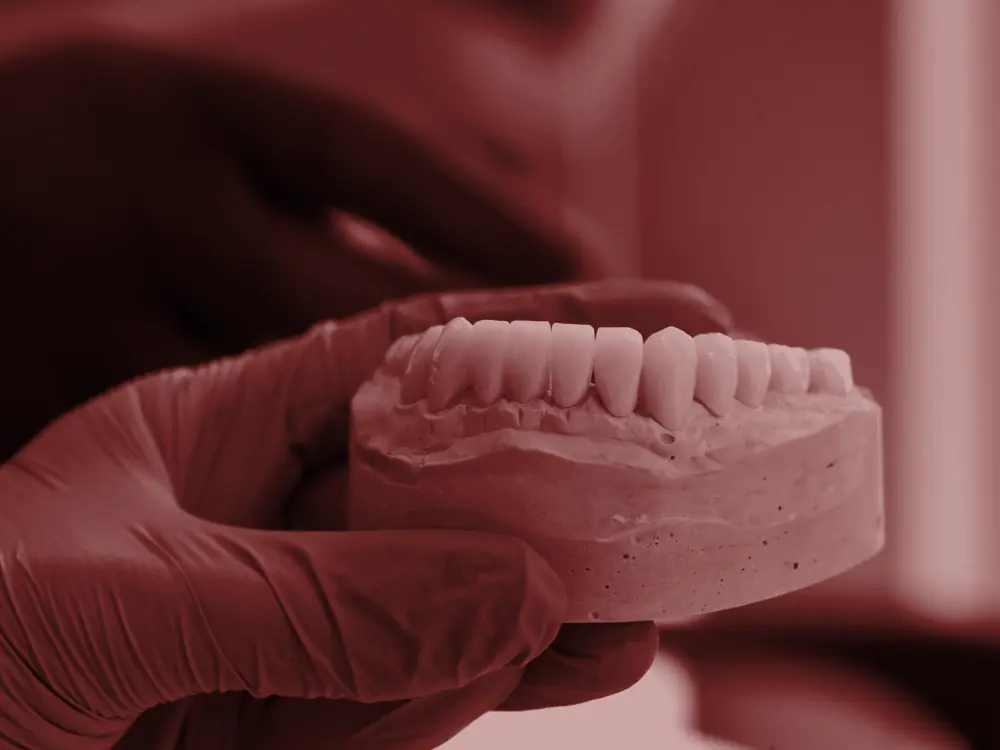
Travel with aligners by packing your case, your previous tray as a spare, your next tray if it falls due while you are away, and a small cleaning kit. With those in your hand luggage, a trip does not interrupt treatment.
Long journeys make wear time easy, since the trays simply stay in. The risk is meals on the road: take the trays out, put them straight in the case, and clean your teeth or rinse well before they go back.
If you will be away for several weeks, tell us before you go. Trays can be issued in advance and progress checked with photos until you are back in Rawalpindi.
The last tray
At the end of active treatment, your clinician checks that every tooth has reached its planned position, removes any attachments, polishes the teeth and takes impressions for your retainer. If a tooth still needs a little more, a short refinement comes first.
Your retainer is then made in our laboratory and fitted with a routine for the months ahead. The retainer phase is when follow up matters most, and in Rawalpindi it is supervised by Dr Ramsha.
Take a photo of your smile on this day. It is the result you are now protecting, and a useful reference if anything ever seems to change.
Your kit
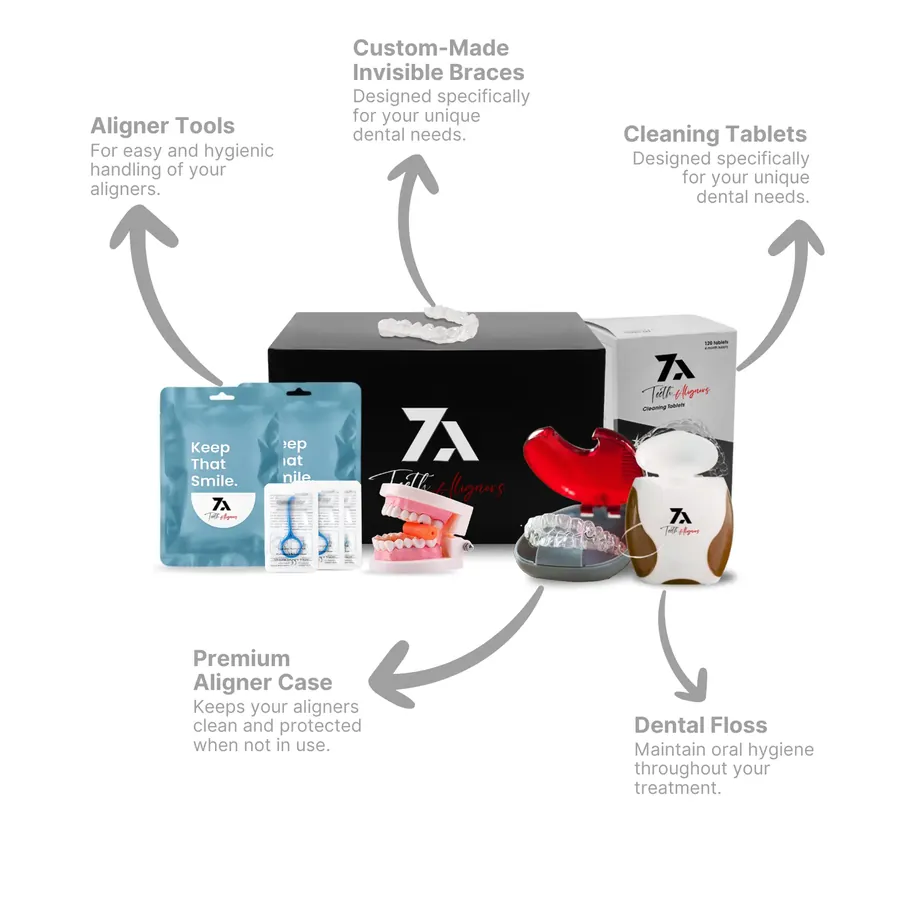
With your aligners you receive a protective case, aligner tools for removing and seating the trays, cleaning tablets and dental floss, along with your numbered trays. The kit covers everything daily wear needs from the first evening.
The tools save your nails and your trays in the first weeks. The tablets keep the plastic clear, and the floss is there because clean teeth under the trays matter as much as clean trays.
Many patients add a Water Pik device for cleaning around the teeth, though it is optional.
Daily care
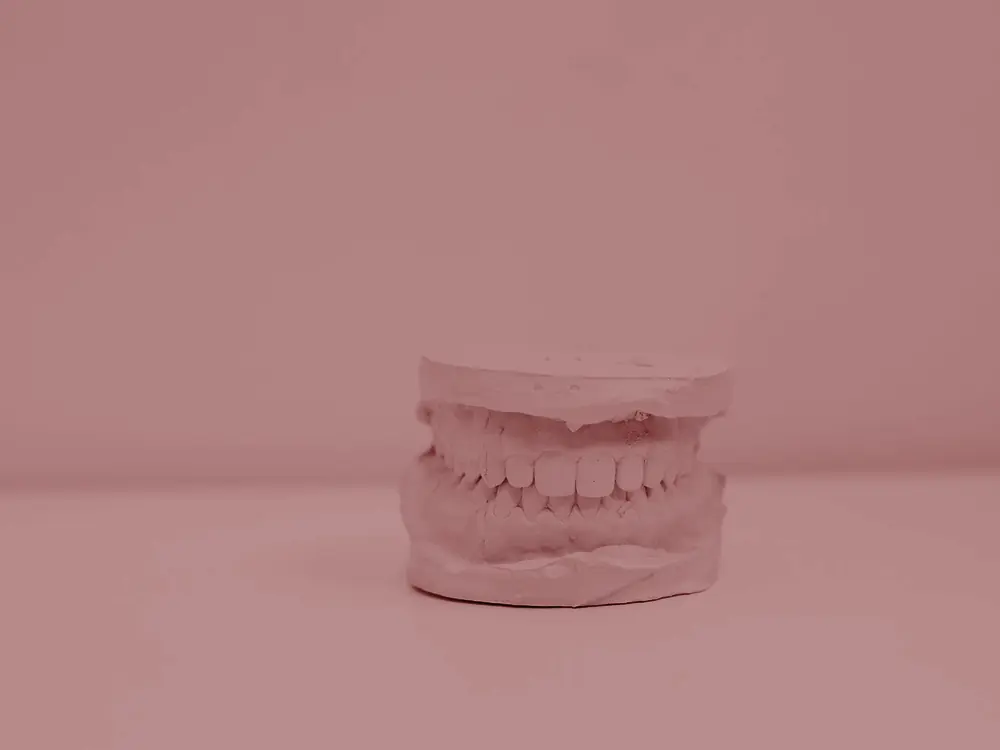
The best way to clean aligners is a rinse in cool water every time they come out, a gentle brush with a soft toothbrush and no toothpaste, and a soak with the cleaning tablets from your kit. Toothpaste scratches the plastic and hot water warps it.
Brush and floss your teeth before the trays go back in. A clear, odourless tray is the sign that both routines are working.
Where they are made
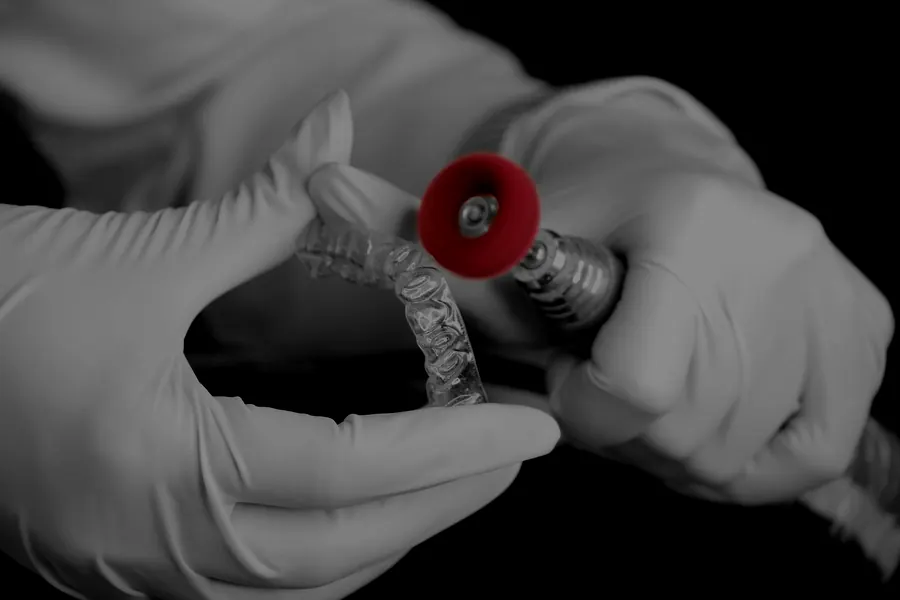
Our aligners are made in our own laboratory in Pakistan: each stage of your plan is 3D printed as a model, a tray is thermoformed over it using clear sheet imported from the USA, and every tray is trimmed and polished by hand before it is checked and packed.
Most aligners sold in Pakistan are made somewhere else and shipped in. Making ours here keeps the price down and means a replacement or refinement is made from your file in the country.
Other clinics buy aligners from our laboratory for their own patients, which says something about how the trays are made.
Twin cities
Choose whichever location suits your routine: the Lalazar branch is convenient for much of Rawalpindi, while patients who work in Islamabad sometimes prefer our G-11 Markaz office. The trays, the price and the laboratory are the same at both.
Our page on teeth aligners in Islamabad has the Islamabad office details and the consultant there.
Free consultation
Send your details and our team will call you to arrange an assessment at the Lalazar branch. To speak to someone straight away, call or WhatsApp 0330 3050007.