

01
Book
Call or WhatsApp 0330 3050007, or fill in the form on this page, and we arrange a time at G-11 Markaz.
Teeth Aligners / Islamabad
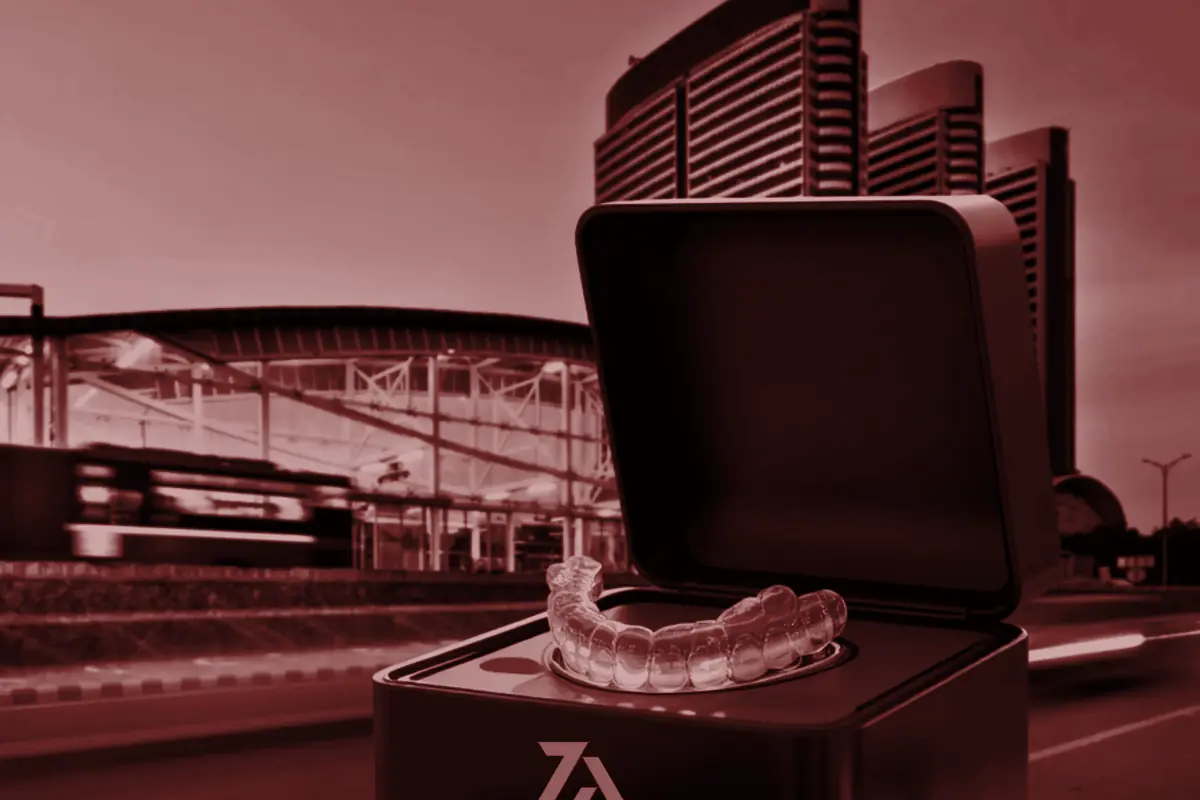
Teeth aligners in Islamabad from our office at Office 20, Capital Plaza, G-11 Markaz. Your treatment is planned and approved by a clinician, and every tray is made in our own laboratory in Pakistan, so a full course costs PKR 2 to 5 lakh rather than the price of an imported brand. Book a free consultation to find out whether aligners suit your teeth.
The short answer
G-11 Markaz, IslamabadAssessment, records and fitting in one placeYou can get teeth aligners in Islamabad at our office, Office 20, 1st Floor, Capital Plaza, G-11 Markaz, where we carry out the assessment, take impressions and fit your first trays. A full course costs PKR 2 to 5 lakh depending on how much your teeth need to move, and the trays are made in our own laboratory in Pakistan.
Call or WhatsApp 0330 3050007 to book, or use the form further down this page. The first consultation is free and tells you whether aligners suit your teeth before you commit to anything.
At a glance
Before booking in Islamabad, these are the facts most patients want in one place: where to go, who you will see, what it costs and what treatment asks of you.
| Question | Answer |
|---|---|
| Office | Office 20, 1st Floor, Capital Plaza, G-11 Markaz, Islamabad 44000 |
| Phone and WhatsApp | 0330 3050007 |
| Aligner consultant | Dr Kiran Haseeb |
| Review appointments | Dr Ramsha Nawaz, across Rawalpindi and Islamabad |
| Full course price | PKR 2 to 5 lakh, confirmed after assessment |
| First consultation | Free |
| Daily wear | At least 22 hours |
| Tray changes | Roughly every week, at home |
| Active treatment | At least about six months for simple cases |
| Retainer phase | About six months, then night wear long term |
| Where trays are made | Our own laboratory in Pakistan, on USA imported sheet |
Suitability
A good candidate for aligners is a teenager or adult with mild to moderate crowding, spacing or a dental bite problem, healthy gums, no untreated decay, and the discipline to wear trays about 22 hours a day. Most people who ask us about straightening their teeth fall into this group.
Aligners are less suitable when teeth are impacted, when the jaws themselves are out of line, or when very large root movements are needed. In those cases fixed braces, or treatment with a specialist, usually gives a better result, and we will tell you so at the assessment rather than sell you trays that will not finish the job.
Gum disease and decay are treated first. Moving teeth in an unhealthy mouth risks the very teeth you are trying to improve, so a little dental work before aligners is common and sensible.
The assessment
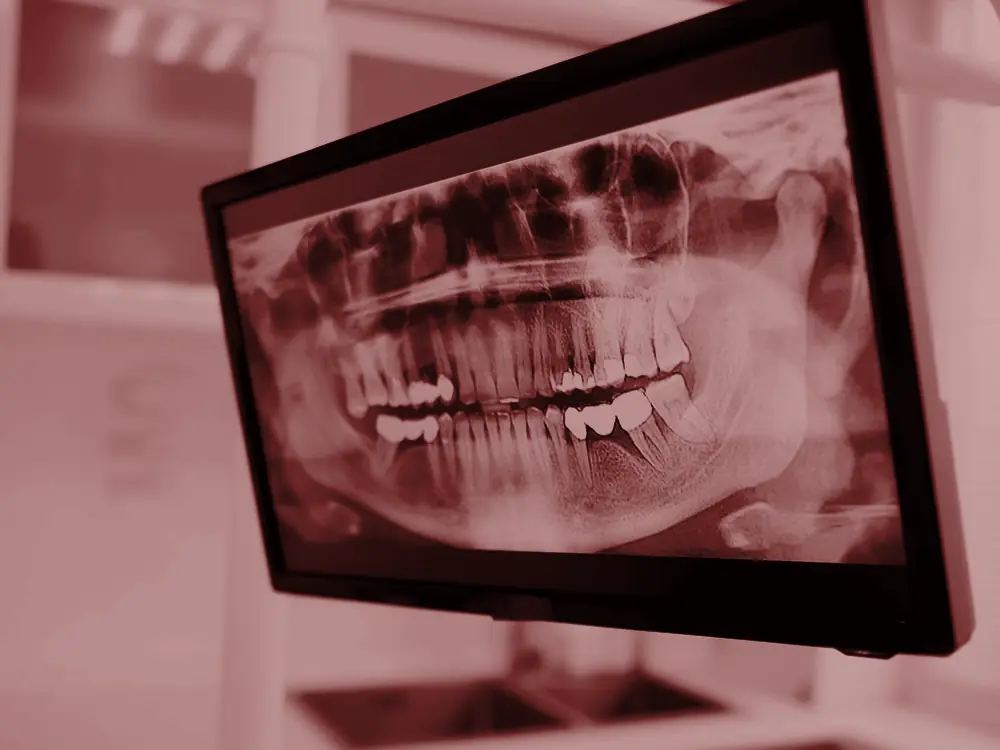
The assessment checks the position of every tooth, the way your teeth meet when you bite, the health of your gums and any fillings, crowns or missing teeth that affect the plan. Where root position or bone levels matter, an x-ray such as an OPG is advised.
It is also a conversation. You explain what bothers you about your smile, and the clinician explains what aligners can realistically change, how long it would take and what it would cost. Patients who leave with clear expectations are the ones who finish happy.
Bring any previous x-rays, records from earlier orthodontic treatment, and a list of medicines you take. They save time and sometimes reveal something important about your teeth.
Your consultant
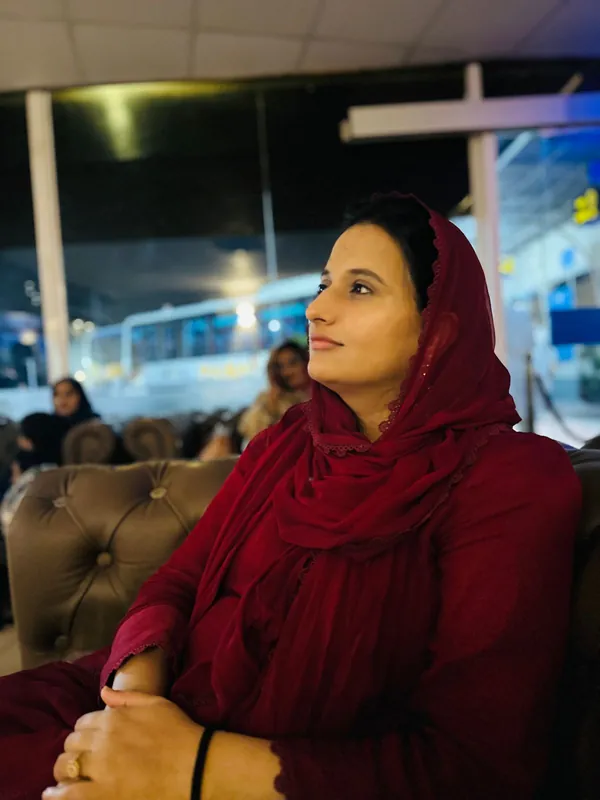
Dr Kiran Haseeb is our aligner consultant in Islamabad. She graduated from Army Medical College, Rawalpindi, with distinction in dental pathology, trained in the UK in dental implants and orthodontics, and is a member of the Islamabad Health Care Regulatory Authority.
Before running her own clinic in Islamabad for many years, Dr Kiran worked at CMH Multan for three years and at AFID Rawalpindi for four. She has completed advanced clinical courses in endodontics, periodontics, orthodontics, clear aligners and cosmetic dentistry.
Your care team
Islamabad patients are looked after by Dr Kiran Haseeb for consultations and by Dr Ramsha Nawaz, who handles assessment and review appointments across Rawalpindi and Islamabad and supervises follow up during the retainer phase. Every movement plan is approved by a clinician before a single tray is made.
That approval step matters more than any piece of technology. Software can draw a straight smile on any set of teeth, but only a clinician can say whether the roots, gums and bite will allow it, and how many trays it should take to get there safely.
If your case is more involved, it can be reviewed by more than one of our clinicians before planning. You will always know who is responsible for your treatment and who to call when you have a question.
Why Teeth Aligners
Choose Teeth Aligners in Islamabad because you deal with the laboratory itself, not a reseller: a named consultant examines you at G-11 Markaz, a clinician approves your plan, and every tray, refinement and retainer is made by our own team in Pakistan.
Models printed and trays formed and hand finished in our own laboratory, with no import margin in your price.
Dr Kiran Haseeb sees Islamabad consultations, and Dr Ramsha Nawaz handles reviews across the twin cities.
A full course price confirmed after your free assessment, the same in every city we serve.
A lost tray or a refinement is made here from your case file, not ordered from abroad.
Other dental clinics buy their aligners from our laboratory for their own patients.
Your kit includes a case, aligner tools, cleaning tablets and floss.
Book a free consultation at G-11 Markaz and leave knowing whether aligners suit you, how long it would take and what it would cost.
Be prepared
At your Islamabad consultation, ask whether aligners suit your case, how many trays the plan is likely to need, what the full course will cost, how often you will be seen, and what happens with retainers once the trays are finished. Good answers to those five questions tell you most of what you need.
It is also worth asking what the plan cannot do. A clinician who explains the limits of aligners for your teeth, and what the alternatives would be, is giving you the information to make a real decision.
If you have had braces before, or have crowns, implants or gum problems, mention them early. Each one shapes the plan, and some need attention before aligners begin.
Cost
Teeth aligners in Islamabad cost PKR 2 to 5 lakh for a full course with us. Mild cases with a short plan sit near the lower end; crowded teeth, bite corrections and longer plans with more trays sit higher. Your exact price is given after the assessment, once the plan shows how many trays your teeth need.
The price is the same whether you are treated in Islamabad or any of our other cities, because every tray comes from the same laboratory. What changes the cost is your teeth, not your postcode.
Our full guide to the aligners price in Pakistan explains what moves a case up or down the range and what to compare when you look at other quotes, so you can judge any price you are offered.
Same thing, different name
Yes. When people search for invisible braces in Islamabad, they almost always mean clear aligners: a series of thin, transparent trays that fit over the teeth and move them a little with each tray. There are no brackets and no wires, and the trays come out to eat and brush.
The names vary because patients use whatever word they heard first. Transparent braces, clear braces and invisible aligners all describe the same kind of treatment. Lingual braces, which are fixed behind the teeth, are a different appliance altogether and are not what we provide.
The trays are hard to notice in conversation, which is why so many working adults and university students choose them.
Brands
Invisalign is an imported brand of clear aligner from the United States; our aligners are a Pakistani alternative, planned by clinicians and made in our own laboratory here. Both work on the same principle of a staged series of clear trays. The differences are where the trays are made, how quickly changes arrive, and the price.
An imported tray series is manufactured abroad and shipped in, so its price carries import costs and moves with the exchange rate. Ours is made in Pakistan on clear sheet imported from the USA, which is why a full course with us costs PKR 2 to 5 lakh.
If you are comparing, ask any provider the same questions: who approves the plan, what the trays are made of, how a lost tray is replaced and how long a refinement takes. Our Invisalign price in Pakistan guide sets out the numbers side by side.
Choosing well
The best aligners in Islamabad are the ones planned by a clinician who has examined you, made from a known material, and backed by refinements and retainers from the same provider. A low price or a famous name means little if nobody checks your gums, your bite and your progress.
Our buyer's guide to the best aligners in Pakistan compares the options available in the country in more detail.
Your first visit
Starting treatment in Islamabad takes five steps, from your first call to wearing your first tray.
Call or WhatsApp 0330 3050007, or fill in the form on this page, and we arrange a time at G-11 Markaz.
A clinician examines your teeth, gums and bite and tells you honestly whether aligners suit you.

Accurate impressions of both arches are taken so the laboratory can model your teeth.

Your movement plan is approved by a clinician and your full course price confirmed.

Your trays are made in our laboratory, then fitted with instructions for wear and care.
Appointments

You need to visit the Islamabad office for the assessment, the impressions and the fitting, and then for review appointments set by your clinician according to your plan. Between visits you change trays at home roughly every week, so treatment fits around work, study and family rather than taking over your calendar.
Review appointments are where your clinician checks that each tray is seating fully and every tooth is keeping up with the plan. If something is lagging, it is caught early, while a small adjustment is still enough.
If you travel often, tell us at the start. Trays can be issued in sets, and progress photographs can bridge the gap when you are away from Islamabad for a while.
Between visits
You can tell treatment is on track between visits when each new tray clicks fully into place within a day or two, sits flush against the biting edges of your teeth, and feels looser by the end of its week. A tray that never seats, or leaves a visible gap at the tip of a tooth, is the early sign that a tooth is falling behind.
Keep each old tray in its bag rather than throwing it away. If a new tray will not fit, your clinician may ask you to go back to the previous one for a few days while the teeth catch up.
Taking a quick photo of your smile at each tray change also helps. Changes are slow from day to day, and photos show you, and your clinician, how far you have come. Share them at your review appointment so any question can be answered with the evidence in front of you.
What we treat
Aligners fix most mild to moderate problems of tooth position and many dental bite problems. These are the ones Islamabad patients ask us about most, each with its own guide.
Teeth overlapping or turned. Read about aligners for crooked teeth.
Including a gap between the front teeth. See aligners for gaps between teeth.
Teeth that shifted after braces when retainers stopped. Often a short plan.
Results
Our aligners achieve results like these real cases from our laboratory, each treated with a planned tray series.
 After

 After

 After

Treatment length
Aligner treatment takes at least about six months of active wear for simple cases, followed by a retainer phase of about the same length. Each tray moves your teeth a fraction of a millimetre, so the total time depends on how far your teeth need to travel and how many trays that takes.
Wear is what keeps the plan on schedule. Trays need to be in your mouth at least 22 hours a day, coming out only to eat, drink anything other than water, and clean your teeth. A tray left in its case is a tray that is not working.
Your clinician gives you the number of trays at the start, so you know roughly when active treatment should end. Our guide to how teeth aligners work explains each stage in more detail.
Second time round
Yes, aligners are often the simplest way to fix teeth that moved back after braces, and these plans are usually shorter than a first treatment. Relapse happens when retainers are worn less over the years, and the front teeth are the first to drift.
Many Islamabad adults who had braces as teenagers come to us for exactly this. The original treatment did its job; the teeth simply were not held afterwards. A short series of trays brings them back, and a retainer routine keeps them there this time.
Bring whatever records you have from the first treatment. Even an old photo of your smile after braces helps your clinician judge what changed.
Planning around an event
Yes, aligners can straighten teeth before a wedding if treatment starts early enough: allow at least about six months of active wear for a simple case, and more for crowding or bite problems. Count back from the date and book the assessment first, because the plan sets the timeline.
If the date is close, tell your clinician. Some plans can be staged so the front teeth, the ones that show in photos, improve early. Trays can also come out for a few hours on the day itself without harming the plan, provided they go straight back in afterwards.
Starting too late and rushing tray changes does not save time. Trays changed early stop fitting, and the teeth fall behind the plan.
If a tooth lags
If a tooth does not move as planned, your clinician takes new impressions and a short series of refinement trays is made in our laboratory to finish the movement. Refinements are a normal part of many aligner plans, particularly for rotated teeth.
The usual causes are trays worn for fewer hours than prescribed, trays changed too early, or a tooth whose shape gives the tray less to grip. Review appointments catch these early.
Because the laboratory is in Pakistan, refinement trays are made here rather than ordered from abroad, which keeps the gap in your treatment short.
Habits
While wearing aligners, avoid eating with the trays in, drinking anything hot or sugary with them in, chewing gum, and smoking. Each of these either damages the trays or traps sugar and stains against your teeth.
Also avoid wrapping trays in tissue, leaving them in a hot car, and cleaning them with hot water or toothpaste, which scratches the plastic and makes it cloudy. Plain water is the only drink that can stay in with the trays.
None of this is difficult once it becomes routine. Most patients say the first two weeks are the adjustment, and after that the trays feel like part of the day.
Any age
No. Adults of any age can have aligners if their gums and bone are healthy, and many of our Islamabad patients are in their thirties, forties or older. Teeth move at any age; what matters is the health of the structures holding them.
Older adults are more likely to have crowns, fillings or missing teeth, so the assessment looks at these closely. Straightening teeth before new crowns or veneers can also make that dental work simpler and more conservative.
First days
A new tray that feels tight is normal and usually eases within a day or two; a tray with a sharp edge is not, so call us and the edge can be smoothed. Tightness means the tray is pressing the teeth towards their next position.
Putting each new tray in at night helps, because you sleep through the first hours of pressure. If a tray will not seat fully against your teeth after a couple of days, tell your clinician rather than moving to the next one.
In the box
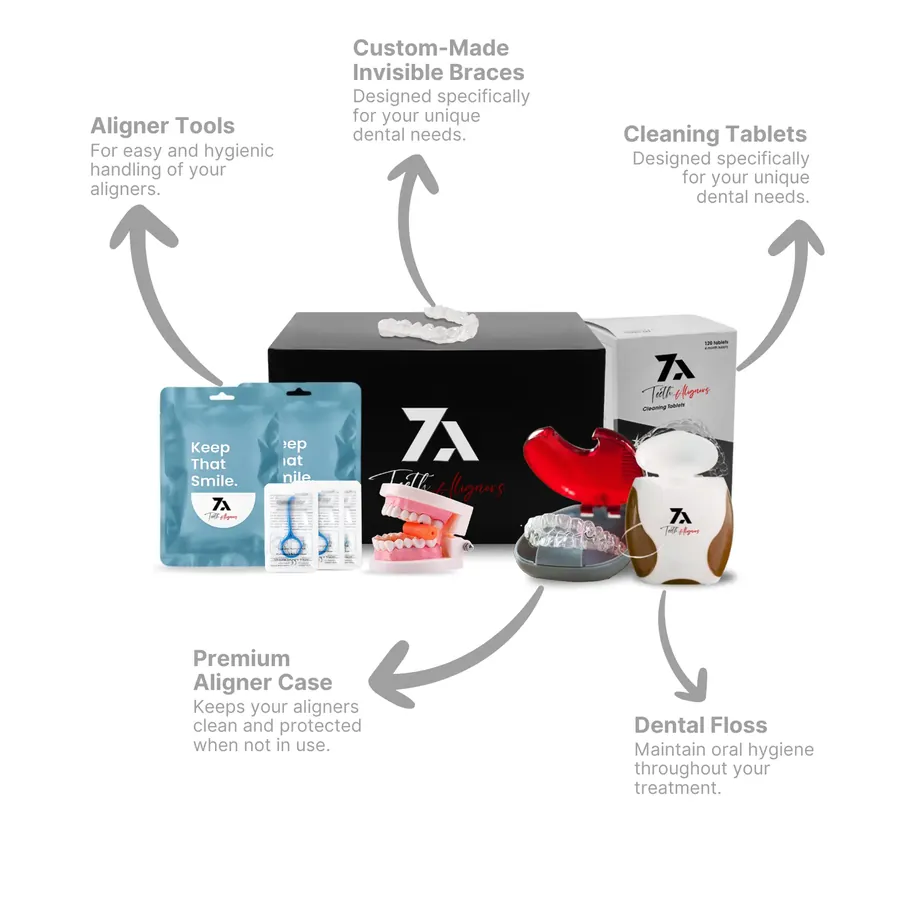
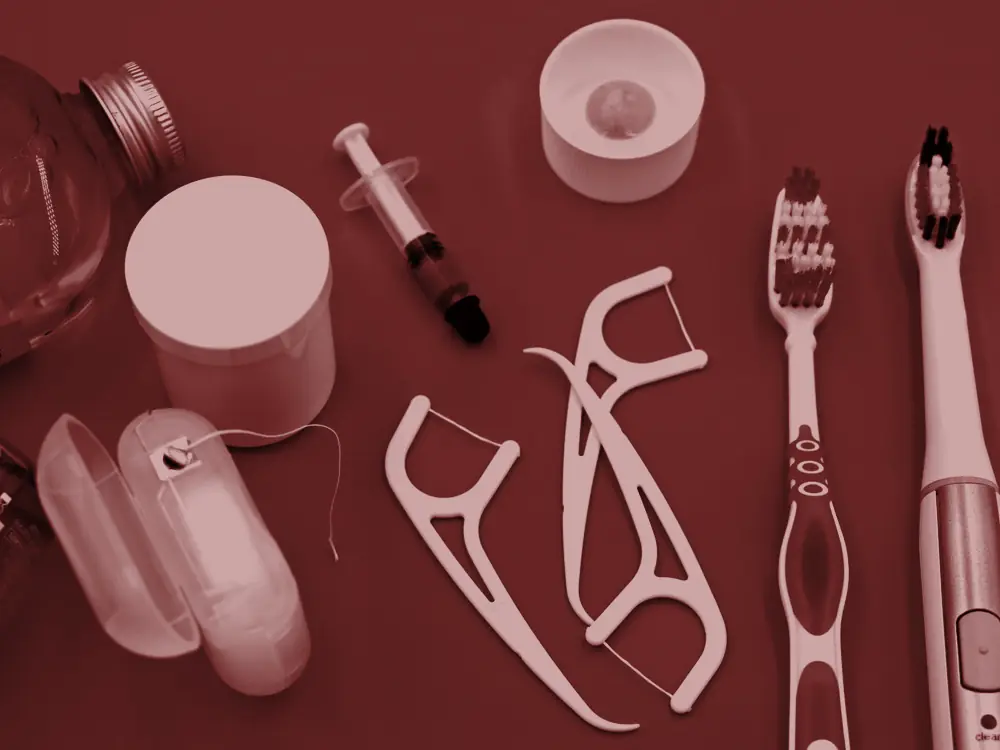
Your aligner kit comes with your custom made trays, a protective aligner case, aligner tools for removing and seating the trays, cleaning tablets and dental floss. Everything you need for daily wear is in the box, so you can start the same day your trays are fitted.
The case matters more than it looks. Most lost trays are wrapped in a tissue at a restaurant and thrown away with it, so the rule is simple: when the trays come out, they go straight into the case.
The cleaning tablets keep the trays clear and fresh, and the floss is there because teeth need cleaning before trays go back in. A Water Pik device is a useful extra for many patients, though it is optional.
Daily life
Aligners fit a working day well because you can speak normally after the first few days, nobody in a meeting is likely to notice them, and they come out for meals. The habit to build is around eating: trays out, eat, clean your teeth, trays back in.
Long office days are easier with a small travel kit in your bag: the aligner case, a folding toothbrush and a little toothpaste. If brushing is impossible after lunch, rinse thoroughly with water before the trays go back in, and brush properly at the next chance.
Tea and coffee need a little planning. Hot drinks can soften or distort the trays and sweet drinks get trapped against the teeth, so take the trays out for chai and have it with your meal rather than sipping all afternoon.
Twin cities
Yes. Patients from Rawalpindi and the surrounding area can book at our Islamabad office in G-11 Markaz or at our own Rawalpindi branch, whichever is easier to reach. Your plan and your trays are the same either way, because they come from the same laboratory.
Our page on teeth aligners in Rawalpindi gives the Rawalpindi branch address and the clinicians who see patients there. Choose the location that suits your commute; you can discuss switching later if your routine changes.
Options
Choose aligners if your case suits them and you can wear trays about 22 hours a day; choose fixed braces if your case involves complex root movement, impacted teeth or a skeletal bite problem. Your assessment answers this for your own teeth rather than in general.
Aligners are removable, easier to keep clean and far less visible. Braces work without relying on you to wear them, which suits some patients better. Our comparison of aligners vs braces goes through cost, comfort, speed and results.
Keeping the result
After aligner treatment ends, you move into a retainer phase of about six months, then wear a retainer at night for the long term. Teeth have a memory of where they used to be, and without a retainer they drift back.
Your clinician sets out the retainer routine before your last tray, and follow up during this phase is supervised so that any early movement is noticed. Our guide to clear retainers explains how they work and how to look after them.
Younger patients
Yes, teenagers in Islamabad can have aligners once most of their permanent teeth have come through, as long as they will wear the trays about 22 hours a day. School, sport and exams all fit around removable trays, which is one reason parents often prefer them to braces.
Parents usually play a part in keeping the routine going. Our article on clear aligners for teens answers the questions families ask most.
From anywhere
No. Many of our patients live elsewhere in Pakistan or abroad, and the trays are made in one laboratory and sent wherever you are. Overseas patients are assessed on a video call, receive an impression kit by courier, and send a clear photo about twelve days into each new tray.
If you are visiting Islamabad from abroad, you can also start in person during your trip and continue remotely after you fly back. Our page for teeth aligners from abroad explains how that works.
Made here
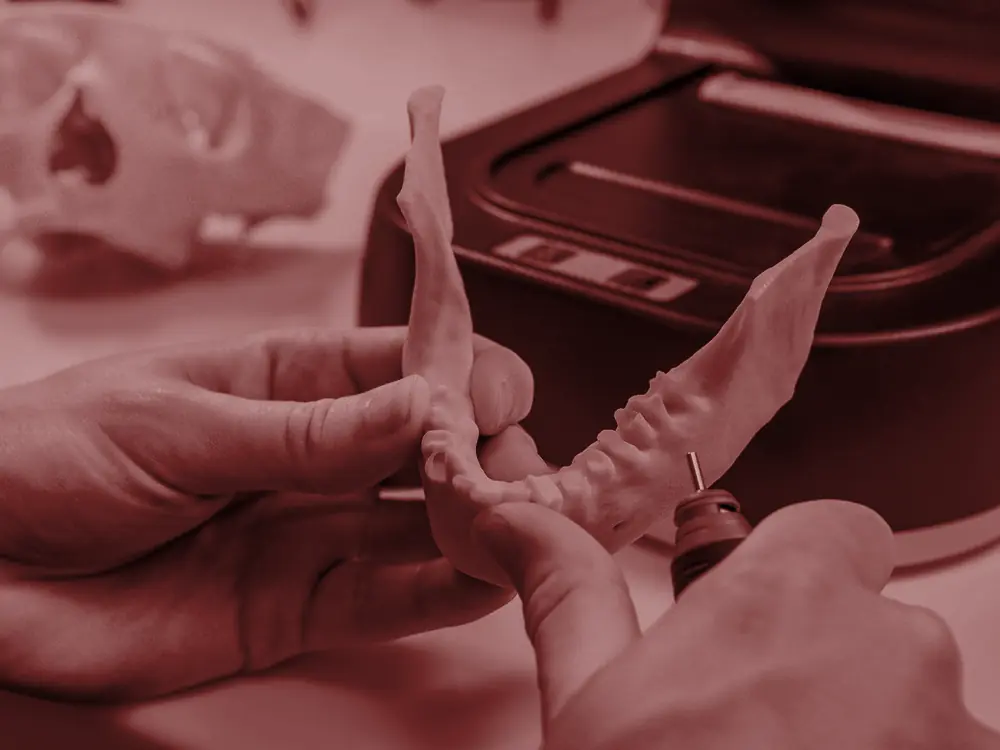
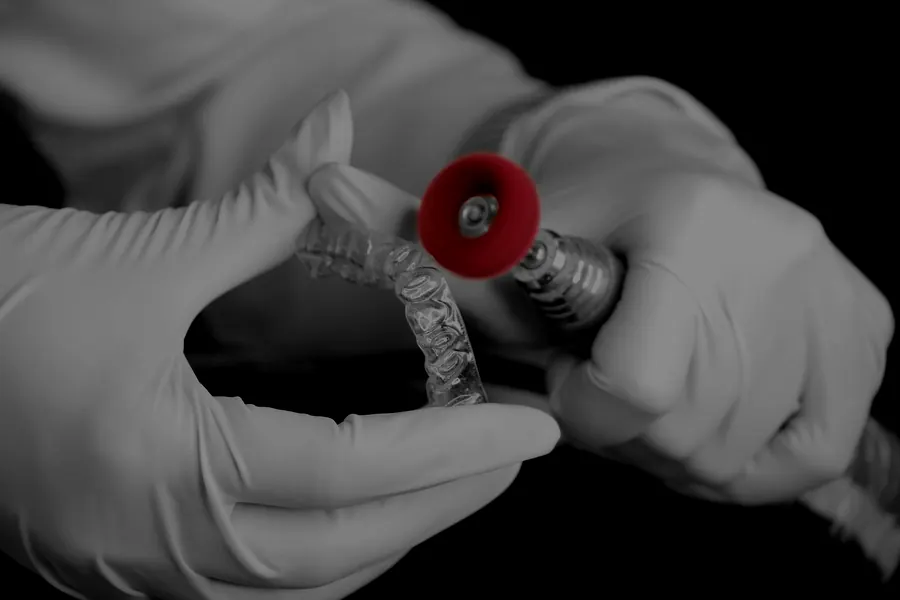
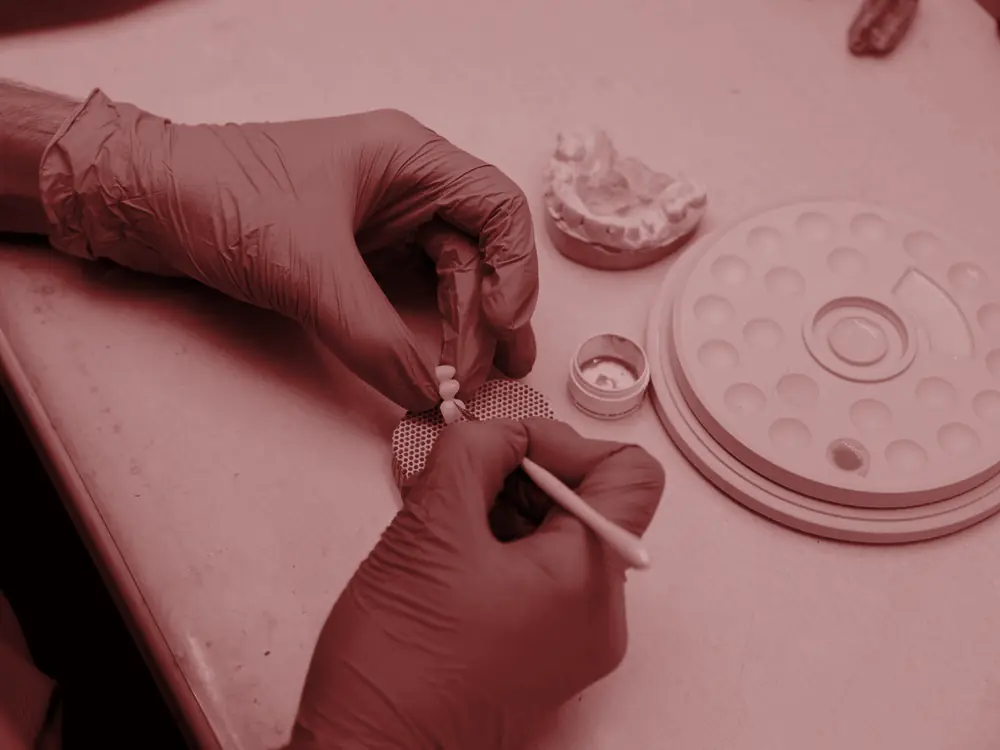
A laboratory in Pakistan matters because it removes the import margin, the currency swings and the shipping delay from your treatment. Your models are 3D printed, your trays thermoformed on sheet imported from the USA, then trimmed and polished by hand, all in our own aligner laboratory.
The difference shows most when something changes. A lost tray or a refinement is made from the case file we already hold, here in the country, rather than ordered from abroad and waited for.
Other clinics also buy their aligners from us, which is a fair sign of the quality: dentists choose a laboratory with care, because their name is on the result.
Care
Keep aligners clean by rinsing them each time they come out, brushing them gently with a soft brush and cool water, and using the cleaning tablets from your kit as directed. Hot water can warp the plastic, so keep it away from the trays.
Clean teeth matter as much as clean trays. Brush and floss before the trays go back in, otherwise food is held against the teeth for hours. A tray that turns cloudy or smells is usually a sign that cleaning is being rushed.
Free consultation
Leave your details and our team will call you back to arrange an assessment at the G-11 Markaz office. Prefer to talk now? Call or WhatsApp 0330 3050007.